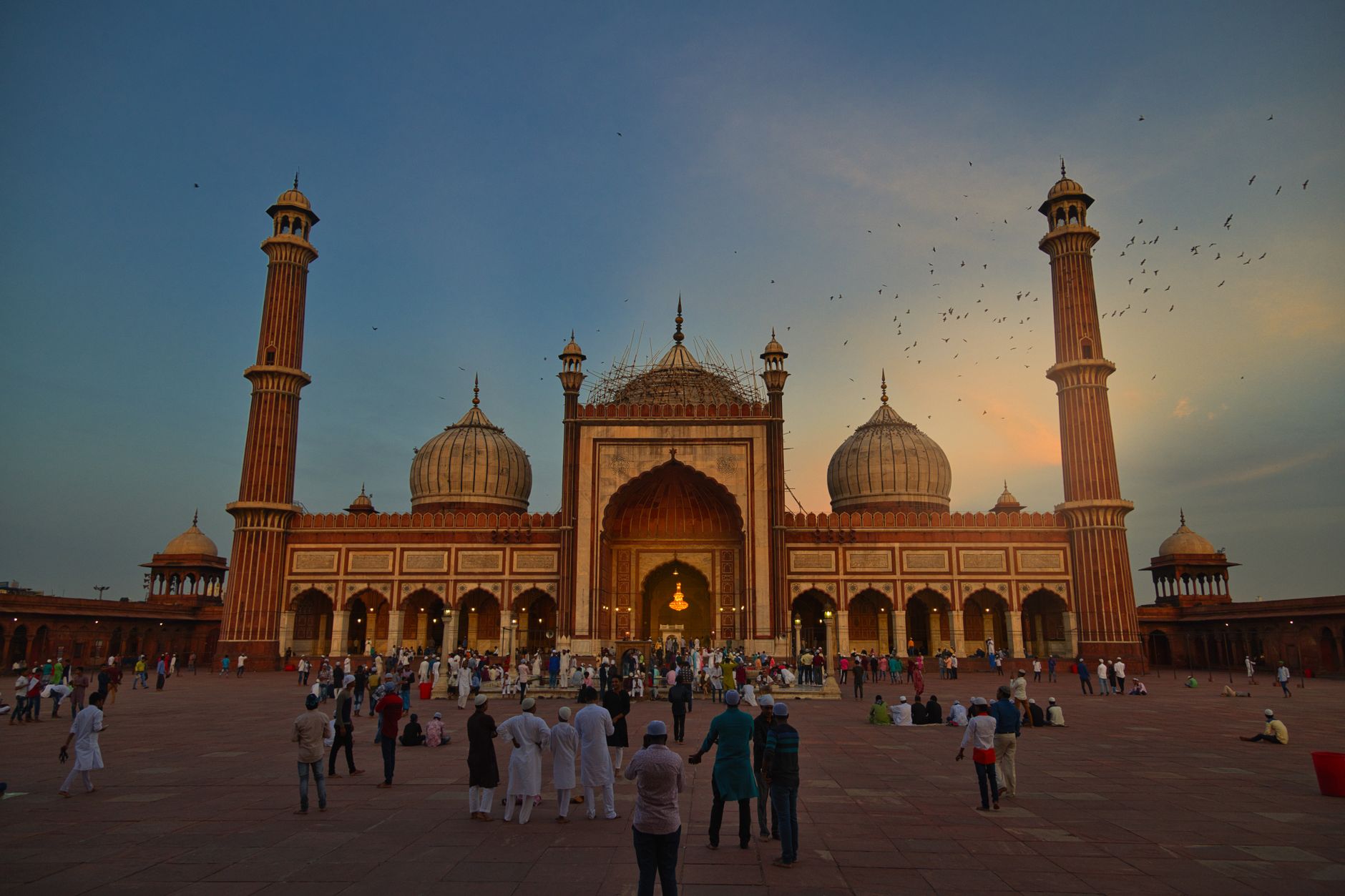
Shahjahanabad's surviving lanes: spice markets, 1913 kebabs, silver bazaars and the best street food in India.
Old Delhi is Shahjahanabad, the walled city Shah Jahan moved his capital to in 1648, and it is still laid out on that plan: the Red Fort at the eastern end, Fatehpuri Masjid at the western, and Chandni Chowk running between them with the guild lanes threaded off it. The main road was rebuilt and pedestrianised in 2021 — no cars between 9am and 9pm, only cycle rickshaws and pedestrians — which has made it far more walkable and much less atmospheric. The lanes off it are unchanged: Kinari Bazaar for wedding trim, Dariba Kalan for silver, Nai Sarak for books, Khari Baoli for spices.
Come for the food and stay for the food. Karim's, in Gali Kababian behind Jama Masjid, has been cooking since 1913 — mutton burra around ₹450, seekh kebabs from ₹180, and the queue on the pavement is part of the deal. Al Jawahar next door is cleaner and nearly as good. Paranthe Wali Gali off Chandni Chowk fries stuffed parathas in ghee at three shops that have been there since the 1870s, ₹80 to ₹150 a plate. Natraj at the Chandni Chowk end does dahi bhalla at ₹90, and the Old Famous Jalebi Wala at the Dariba corner sells jalebi by weight, roughly ₹500 a kilo.
Be realistic about the difficulty. The lanes are narrow, the overhead cable tangles are notorious, and between 11am and 6pm the crowd density is such that you move at whatever pace the crowd moves. There is very little shade, no reliable public toilet, and the smell in July is a serious proposition. Most of the market shuts on Sunday, including Khari Baoli — which catches out an extraordinary number of visitors who arrive on a Sunday morning to find shutters. Red Fort closes on Mondays. Jama Masjid closes to sightseers during the five daily prayers.
By 9pm most of Old Delhi has gone dark. The wholesale trade is a daytime business and the shutters come down between 8 and 9. The exception is the food strip around Jama Masjid and Matia Mahal, which is busiest at night and truly comes alive during Ramadan, when Matia Mahal is a hundred metres of grills, sheermal and phirni until 2am. Staying overnight here is a minority choice: there are a handful of restored haveli hotels at ₹6,000 to ₹15,000 and a large number of very basic lodges near Kashmere Gate you should treat with suspicion.
Where to stay in Old Delhi (Chandni Chowk)
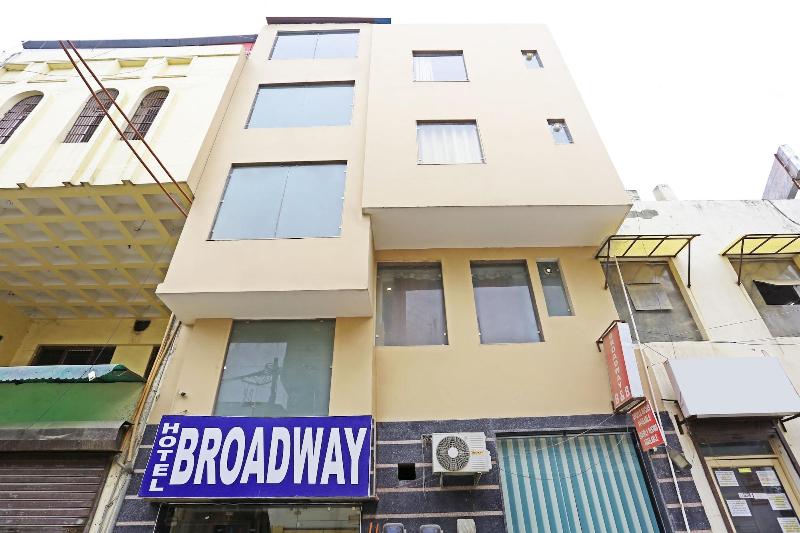
The honest answer is that most visitors sleep elsewhere and come here for the day — Connaught Place is 12 minutes away on the Yellow Line. If you do want to stay inside the walled city, the restored havelis are the reason to: Haveli Dharampura in Gali Guliyan near Jama Masjid is a genuinely beautiful 19th-century courtyard house with rooftop dining, roughly ₹12,000 to ₹18,000 a night, and there are two or three smaller equivalents in the same lanes at ₹6,000 to ₹9,000. The Daryaganj side, along Netaji Subhash Marg, has mid-range hotels at ₹2,500 to ₹4,000 with the advantage of a road a car can actually reach. Avoid the cheap lodges clustered around Kashmere Gate ISBT and the far end of Chandni Chowk — poor security, no lift, and a bus-station clientele that makes for a loud night.
Hotels in Old Delhi (Chandni Chowk)
Real, top-reviewed rooms — booked at the same live rate through app.impt.io, one tonne of carbon removed per stay.
Things to do in Old Delhi (Chandni Chowk)
- Climb the south minaret of Jama MasjidIndia's largest mosque, built 1650 to 1656, at the top of Matia Mahal. Entry to the courtyard is free; the minaret climb is about ₹100 and camera charges apply. Closed to visitors during prayer times and around 12.30 to 1.45pm on Fridays. The view over the Red Fort and the rooftops is the best in Old Delhi.
- Walk the spice lanes of Khari BaoliAt the Fatehpuri Masjid end of Chandni Chowk, Asia's largest wholesale spice market, in a courtyard building called Gadodia Market. Sacks of chilli, cardamom, dried fruit and asafoetida from about 10am to 7pm, closed Sunday. The chilli dust will make you cough on the upper floors; that is not a metaphor, bring a scarf.
- Eat mutton burra at Karim'sGali Kababian, immediately south of Jama Masjid's Gate 1. Open roughly midday to midnight, later in Ramadan. Mutton burra around ₹450, seekh kebab ₹180, mutton korma ₹380, and a rumali roti at ₹25. It is crowded, the seating is functional, and it is still the benchmark. Al Jawahar next door is the calmer alternative.
- Buy silver on Dariba KalanThe silver lane running north off Chandni Chowk beside the Jain temple, trading for well over two centuries. Silver is sold by weight against the day's rate plus making charges, which is a far fairer system than tourist shops. Ask for the rate per gram before discussing pieces. Most shops open 11am to 8pm, closed Sunday.
- See the Jain bird hospital at Lal MandirDigambar Jain Lal Mandir stands opposite the Red Fort at the eastern head of Chandni Chowk. Behind it, a free charitable bird hospital has treated injured pigeons, parakeets and kites since 1929. Donations only, open roughly 8am to 8pm. Leave leather items and shoes at the temple counter before entering.
- Find Ghalib's haveli in BallimaranDown Gali Qasim Jaan off Ballimaran, the restored house where the poet Mirza Ghalib lived until 1869. Free, closed Mondays, open about 11am to 6pm. Two small rooms, a bust, some manuscripts. It takes fifteen minutes and it anchors the whole lane, which is otherwise a spectacle market.
Getting around & the essentials
Metro
Chandni Chowk, Yellow Line
On foot
Start at Lal Quila metro and the Red Fort's Lahori Gate, cross to the Jain Lal Mandir and bird hospital, then walk west along pedestrianised Chandni Chowk. Turn into Dariba Kalan for silver, cut through to Kinari Bazaar's wedding trim, rejoin at the Jalebi Wala corner, continue past Nai Sarak and Ballimaran to Fatehpuri Masjid, and finish inside Khari Baoli's spice courtyard. Three hours minimum with stops.
By road
Do not bring a car
Transport
Chandni Chowk station on the Yellow Line sits at the western end of the main road — 12 minutes and ₹30 from Rajiv Chowk, and the exit puts you almost at Khari Baoli. Lal Quila station on the Violet Line serves the Red Fort end, and Jama Masjid station is one stop further. From the airport, take the Airport Express to New Delhi station and change to the Yellow Line — about 40 minutes total. Never bring a car: the walled city has no parking and the lanes are impassable. Cycle rickshaws are the correct local transport, ₹80 to ₹150 for a lane circuit; agree the fare first and expect to walk anyway in the busiest sections.
Evenings
Shutters down, kebab lanes busy
Nightlife
Dead after 10pm
Best season
October to March only
Old Delhi (Chandni Chowk), questions answered
Which day should I avoid Chandni Chowk?
Sunday, when most of the wholesale market including Khari Baoli, Kinari Bazaar and Dariba Kalan is shut. Monday closes the Red Fort. The ideal visit is Tuesday to Saturday, arriving around 9.30am when the lanes are opening and before the midday crush. Friday is fine but Jama Masjid closes to visitors for about an hour and a quarter at midday prayers.
Is Old Delhi safe for tourists?
Yes in daylight, with normal crowd precautions — pickpocketing in the tightest lanes is the real risk, so carry nothing in back pockets and wear a bag across your front. After about 9pm the market lanes empty out and are poorly lit; stick to the Matia Mahal food strip, which stays busy, and take a cab back rather than walking to the metro through empty alleys.
Should I do a guided food walk or go alone?
A guide is genuinely useful the first time — the good stalls are unmarked, the lanes are unsignposted, and a three-hour walk costs roughly ₹1,500 to ₹3,000 a head including tastings. If you go alone, stick to the long-established names: Karim's, Al Jawahar, Paranthe Wali Gali, Natraj, the Jalebi Wala at Dariba corner, and Kuremal's kulfi in Sitaram Bazaar.
How much time do I need in Old Delhi?
A full morning covers Chandni Chowk, the silver and spice lanes and Jama Masjid. Add two hours for the Red Fort, which is large and mostly open to the sun. If you want Karim's for lunch and the bazaars afterwards, budget six hours and accept you will be exhausted. Most people underestimate the walking and the heat.
Nearby areas
Doing good is the business: every booking through Stay New Delhi funds one verified tonne of carbon removal — same room, same price, no markup.
Start Your Search