Things to do in New Delhi
Forts, tombs, gardens, bazaars and the food streets — the sights worth your time, with real hours and honest entry prices.
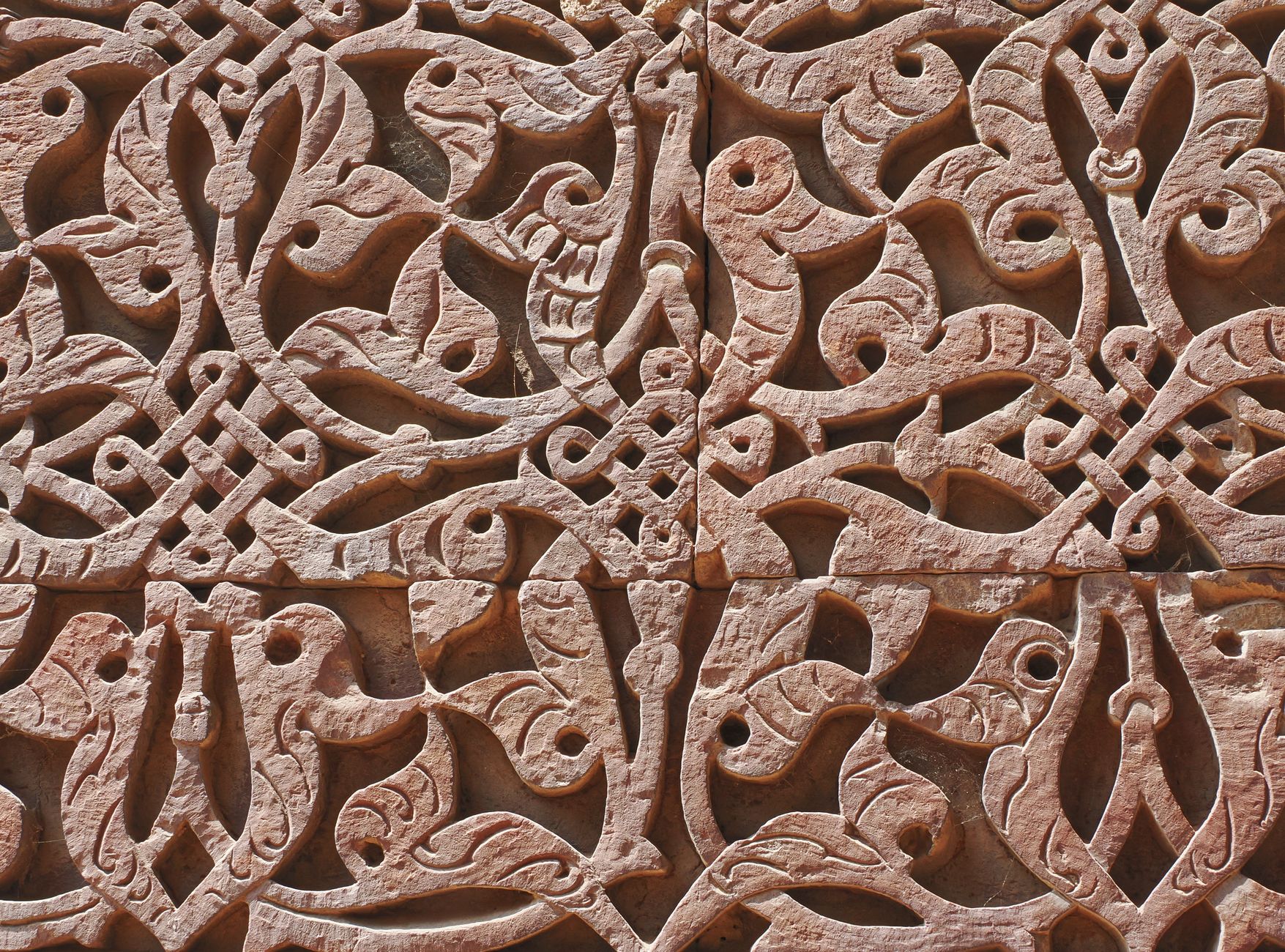
Qutub Minar Complex
The tallest brick minaret on earth, standing in a 12th-century mosque courtyard built from the pillars of twenty-seven demolished temples — Delhi's founding archaeological site and its most photographed one.
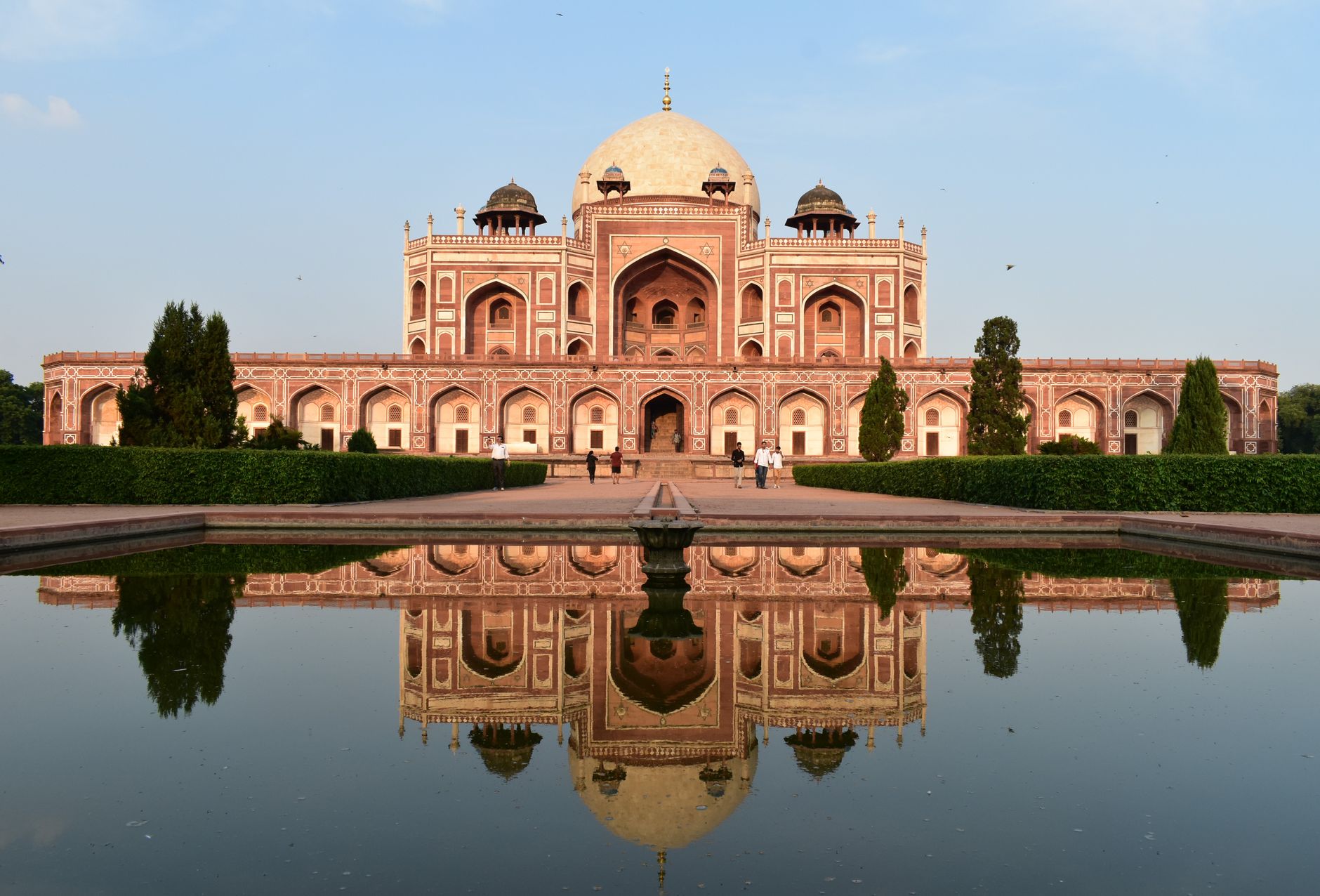
Humayun's Tomb
The first great Mughal garden-tomb in India, built by a widowed empress in the 1560s and the direct architectural ancestor of the Taj Mahal.
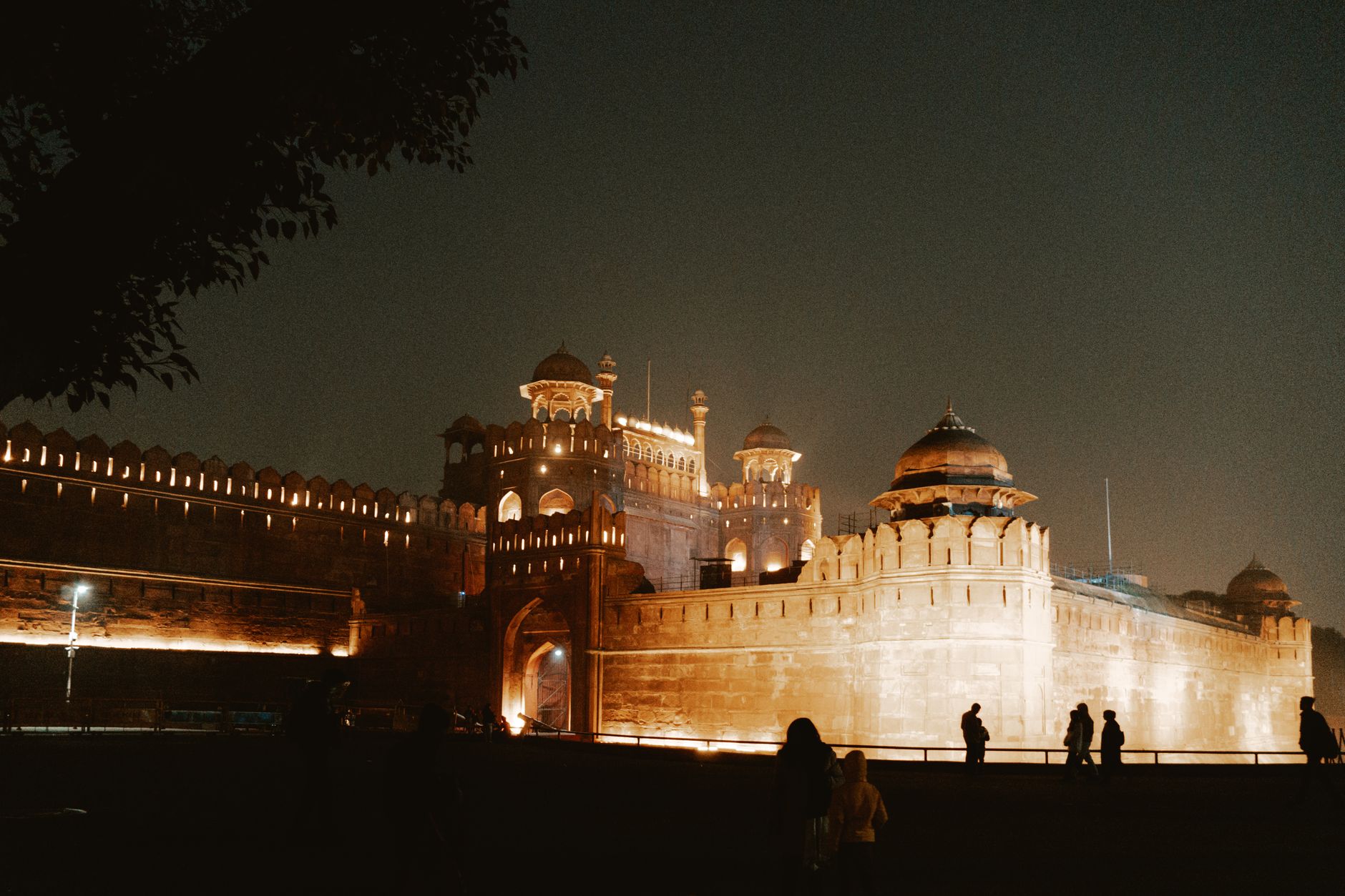
Red Fort (Lal Qila)
Shah Jahan's walled Mughal capital, the stage for the Independence Day address, and the only place in Delhi where you can walk from a covered bazaar into an emperor's marble audience hall in ten minutes.
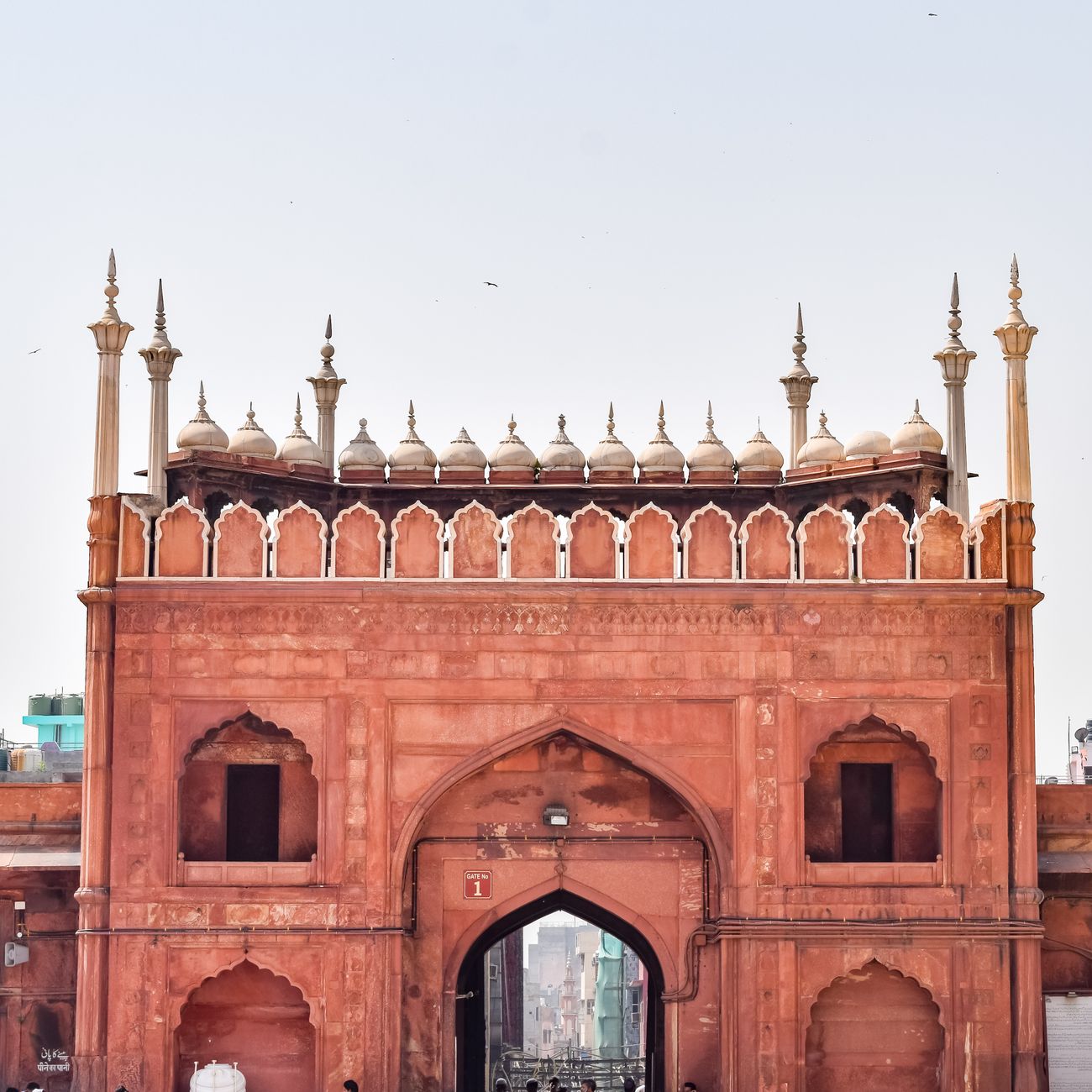
Purana Qila (Old Fort)
The oldest continuously excavated site in Delhi, where trenches have turned up Painted Grey Ware from around 1000 BCE beneath a Sher Shah Suri fortress.
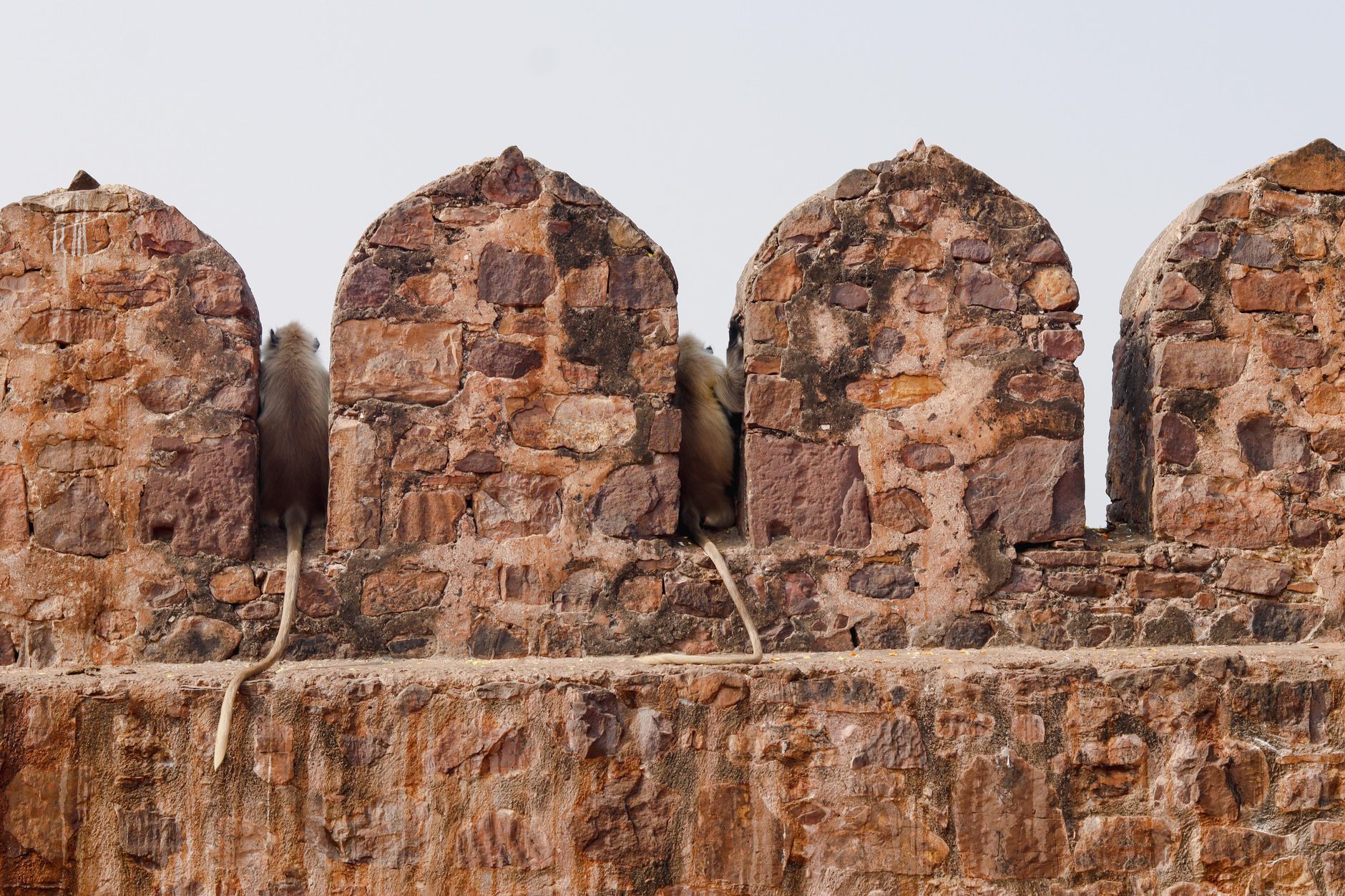
Tughlaqabad Fort
Six and a half kilometres of sloping stone rampart abandoned within twenty years of being built — the emptiest, wildest and least visited of Delhi's great forts.
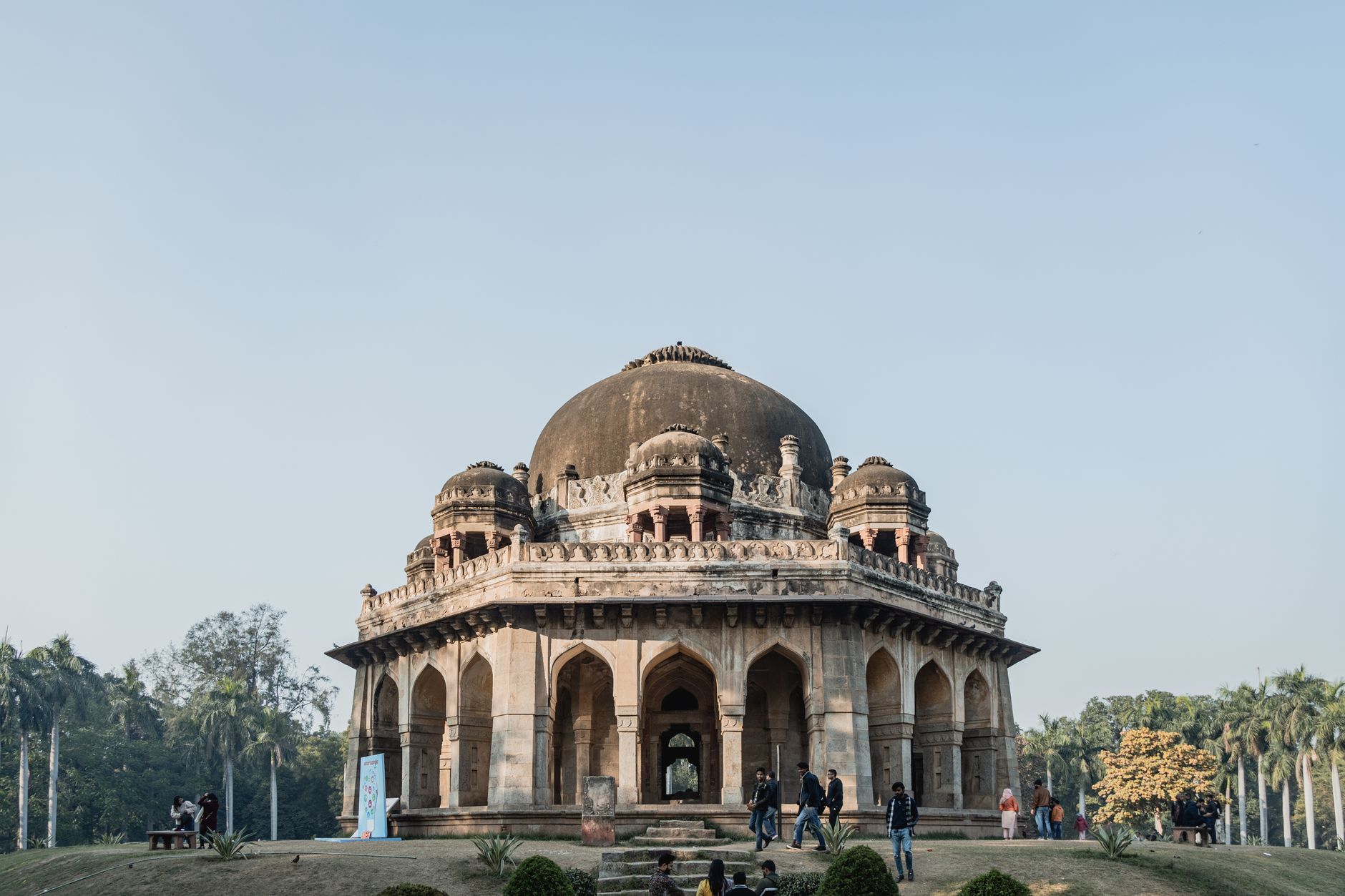
Mehrauli Archaeological Park
Around a hundred monuments spread over two hundred acres of scrub and old woodland, free to walk, and the only place in Delhi where a thousand years of building sit within one boundary wall.
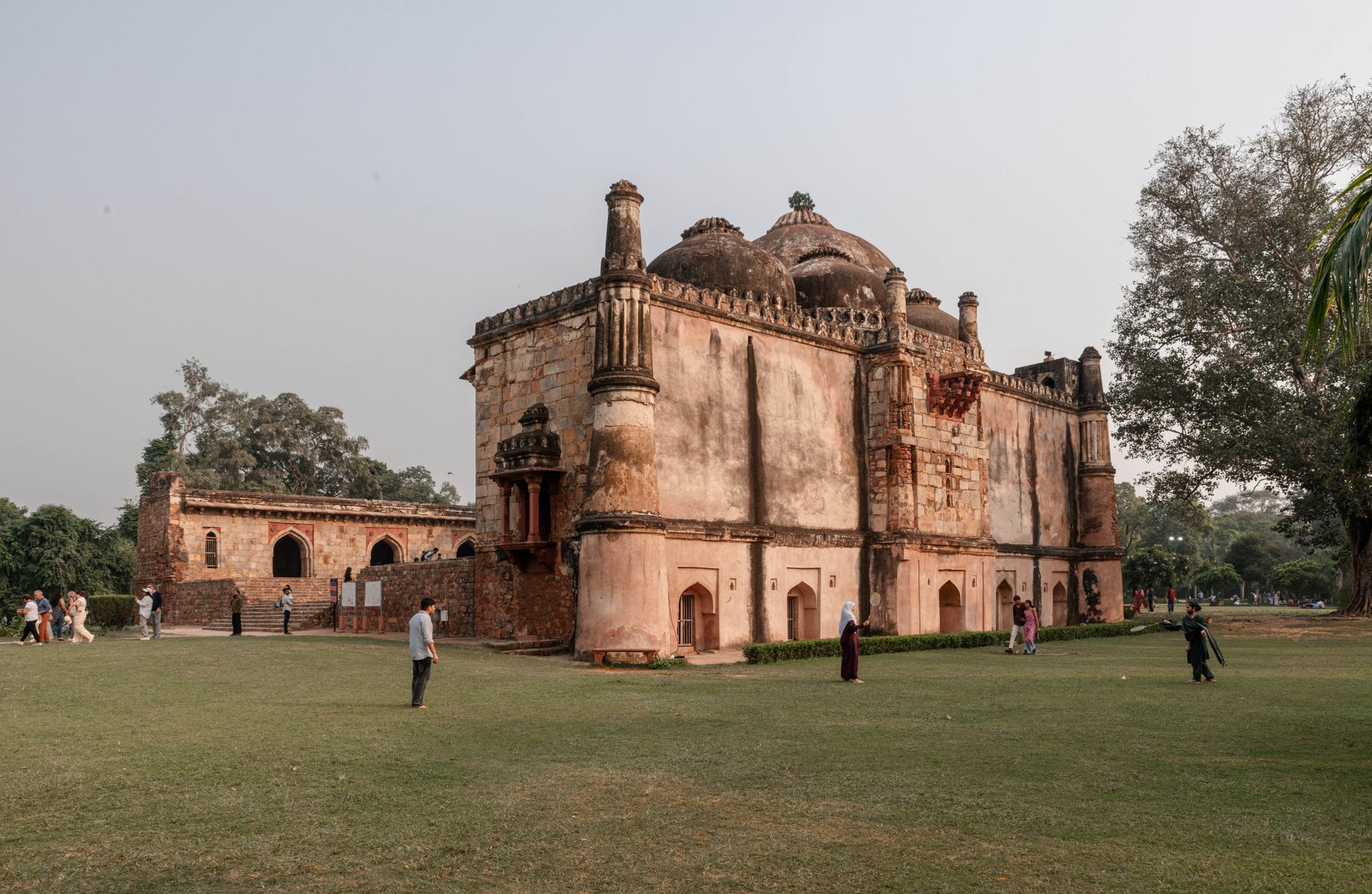
Hauz Khas Complex
A 14th-century royal reservoir, madrasa and sultan's tomb wrapped around a lake, free to enter, and the finest sunset in south Delhi.
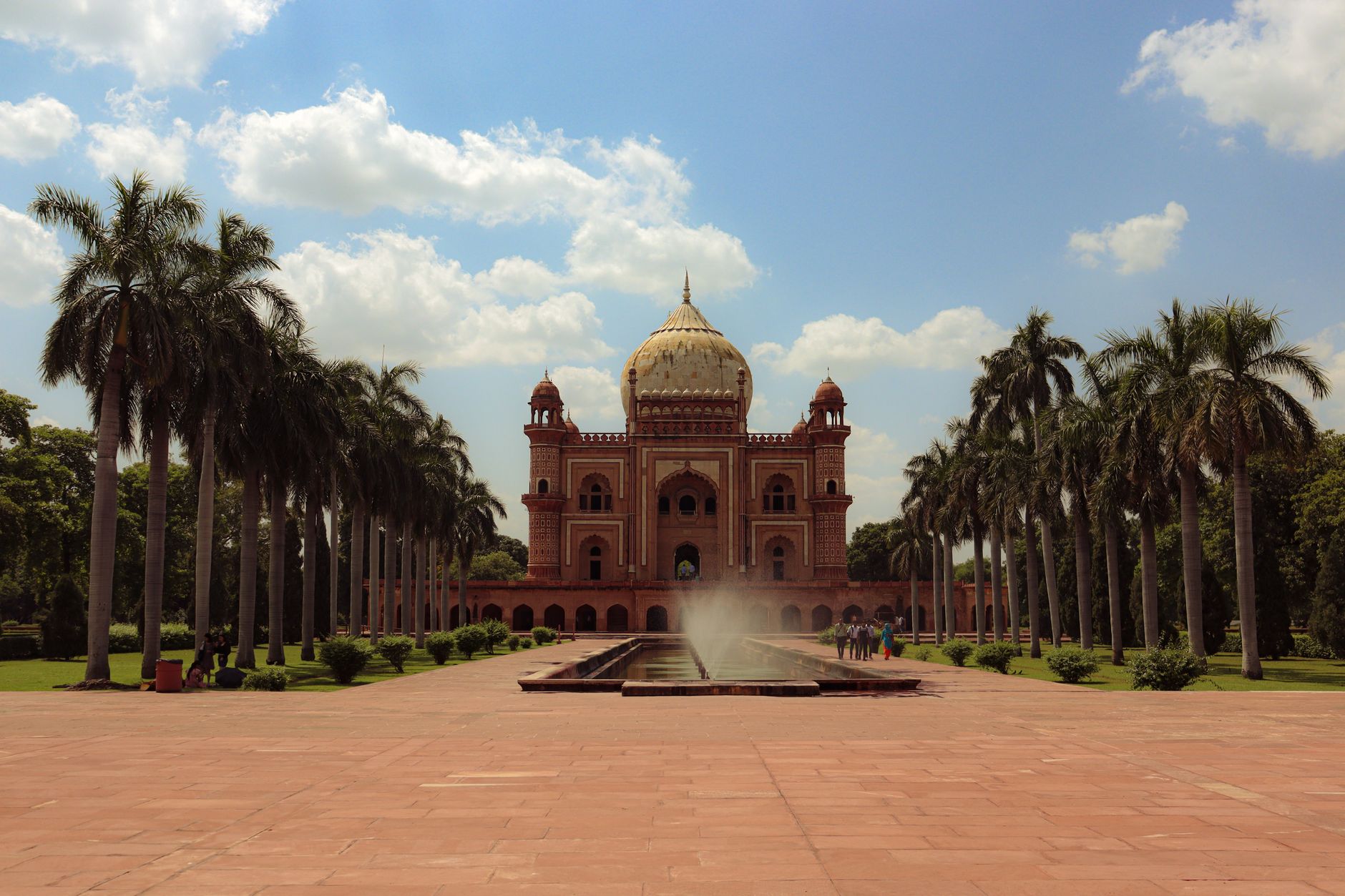
Safdarjung's Tomb
The last great garden-tomb of the Mughal era, built in 1754 from stone reportedly stripped off an earlier tomb, and the quietest monument of its size in central Delhi.
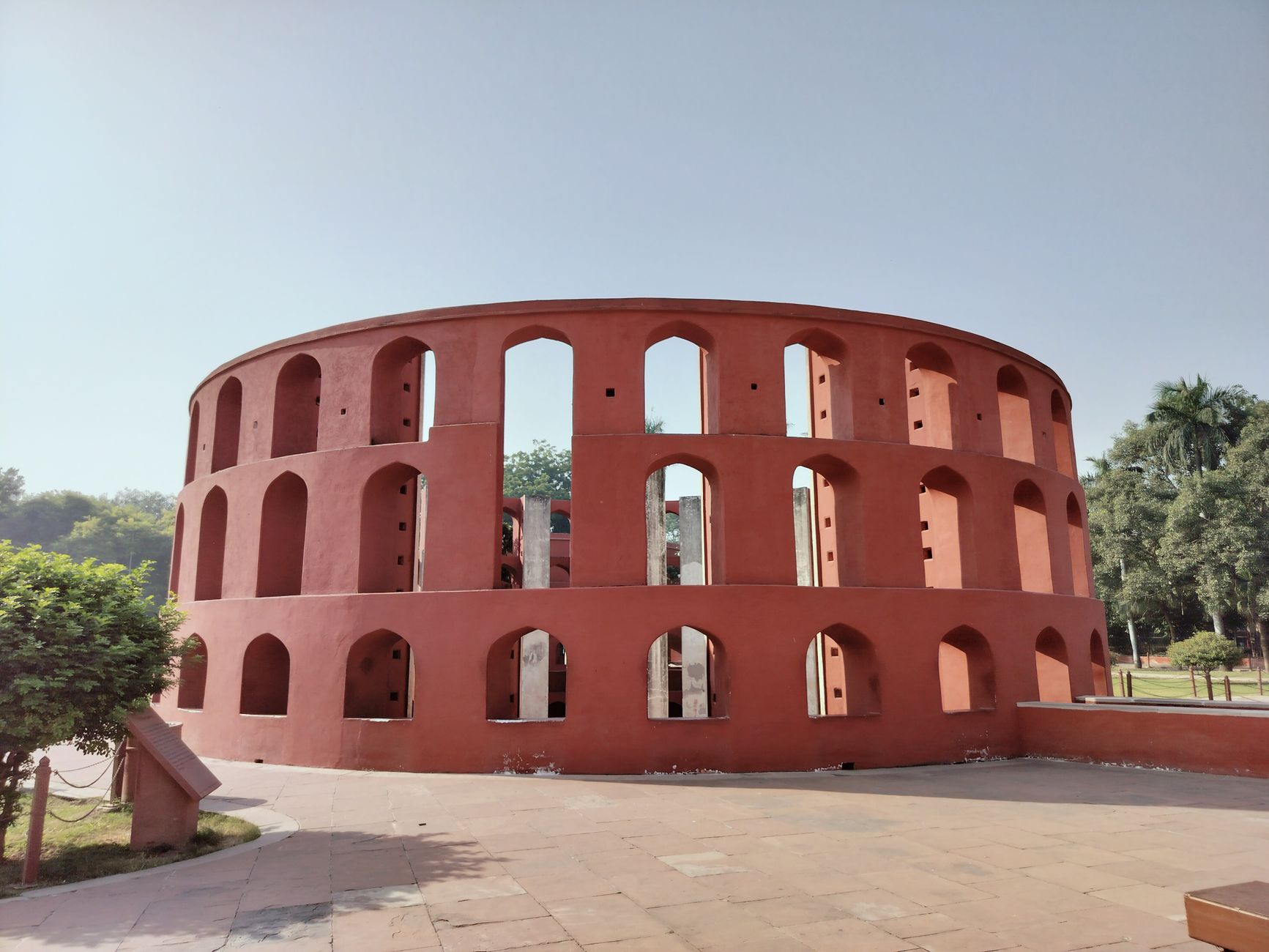
Jantar Mantar
Maharaja Jai Singh II's masonry observatory of 1724 — sundials the size of buildings, five minutes from Connaught Place.
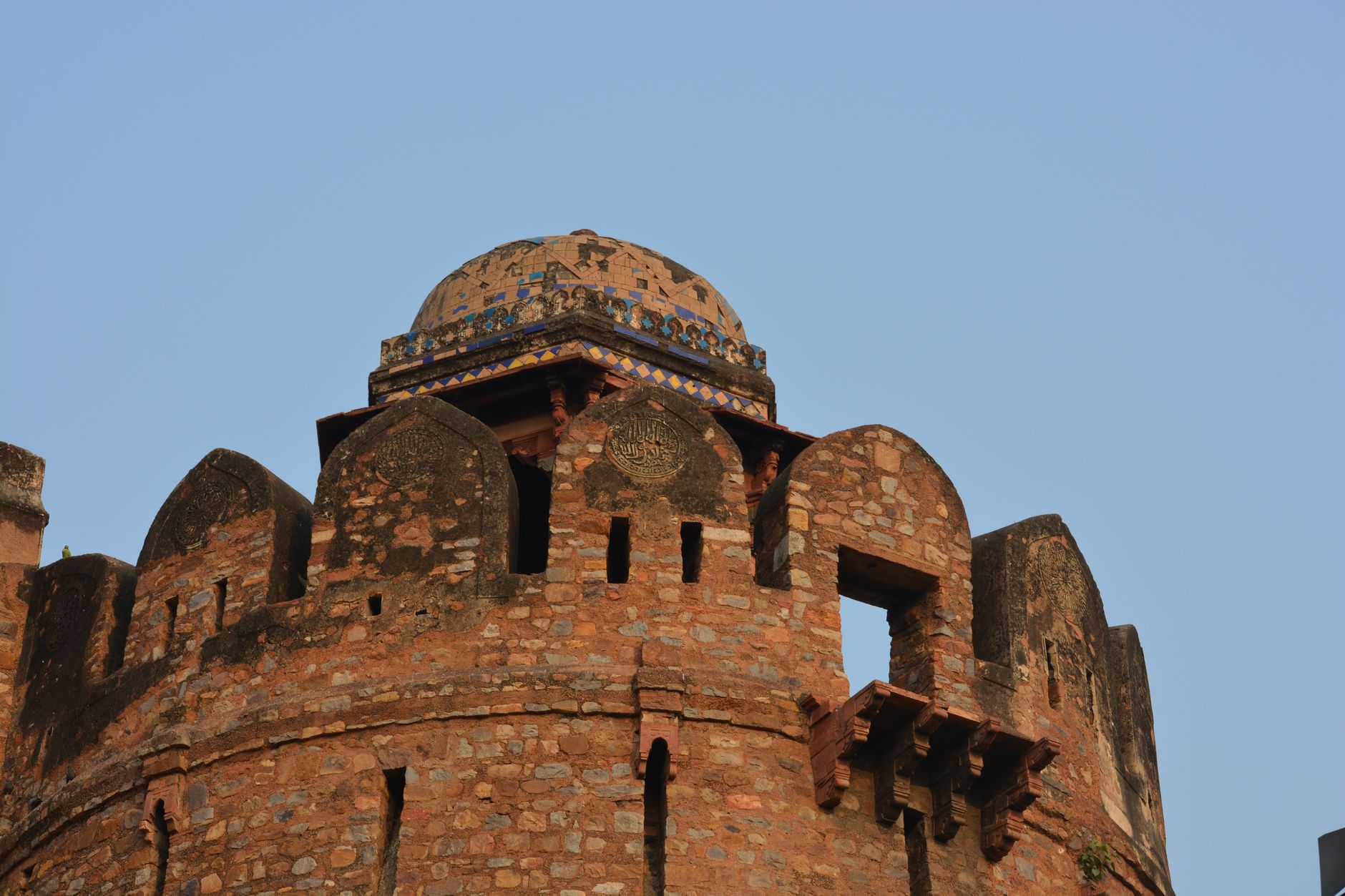
Feroz Shah Kotla
The ruined citadel of Firozabad, crowned by a third-century BCE Ashokan pillar that a sultan had dragged here on a forty-two-wheeled cart — and still, every Thursday, a place where people leave letters for djinns.
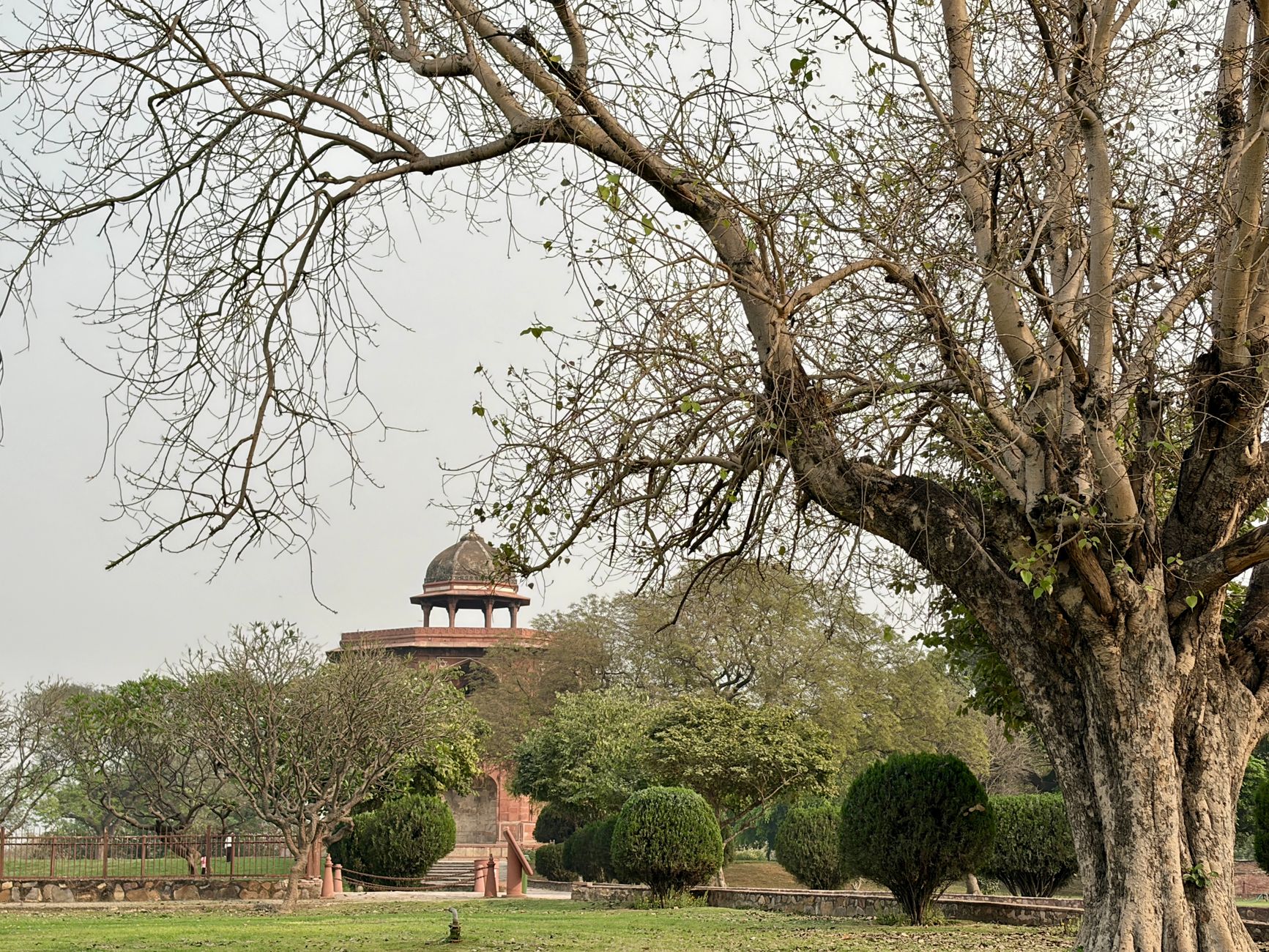
Sunder Nursery (Azim Bagh)
Ninety acres of restored Mughal garden, arboretum and wetland wrapped around fifteen sixteenth-century monuments — the calmest big green space in central Delhi and the one park worth paying to enter.
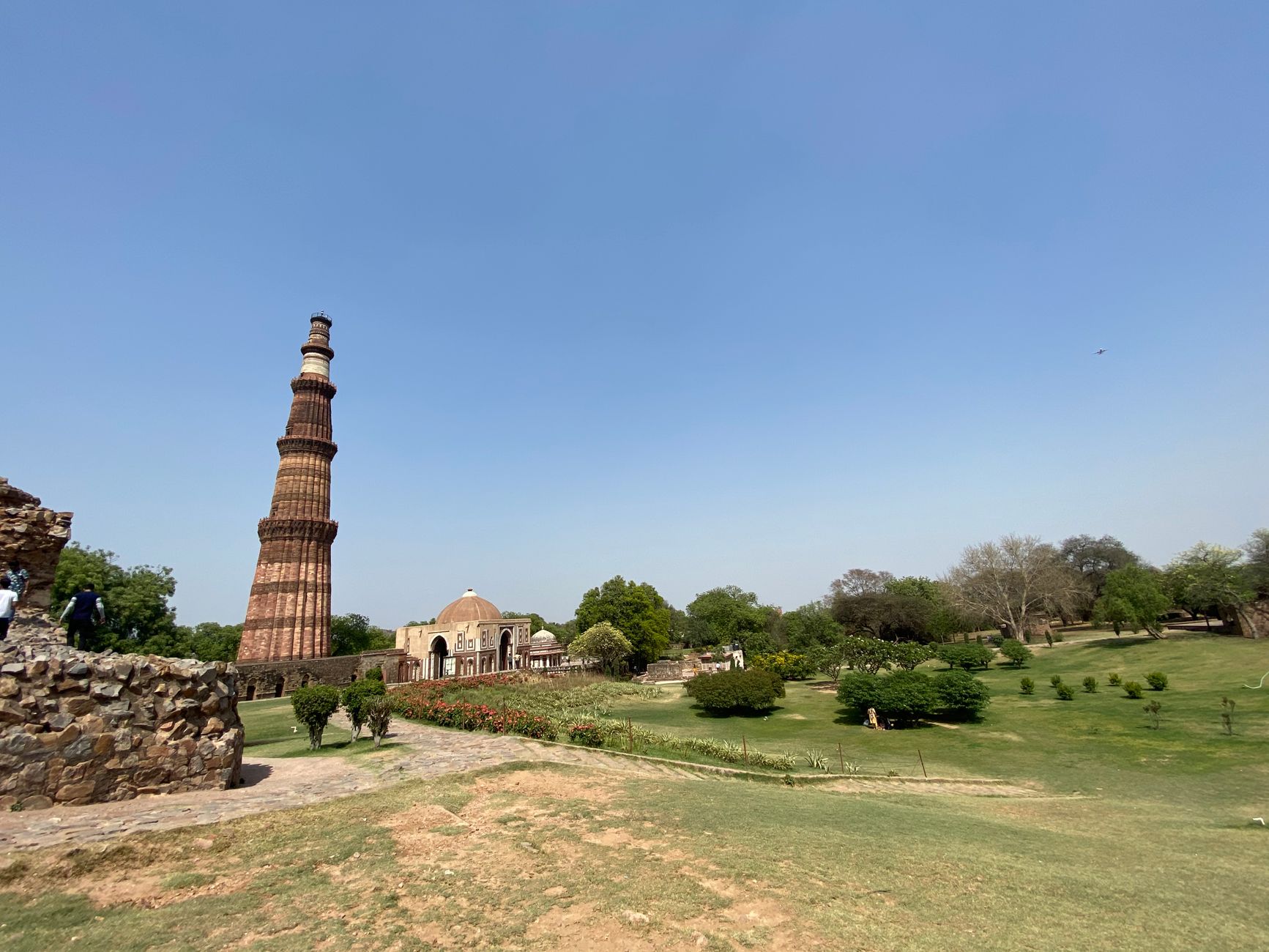
Nehru Park
Eighty-five acres of undulating lawn in the middle of the diplomatic enclave, free at every hour, and the best place in Delhi to see how the city actually relaxes on a winter morning.
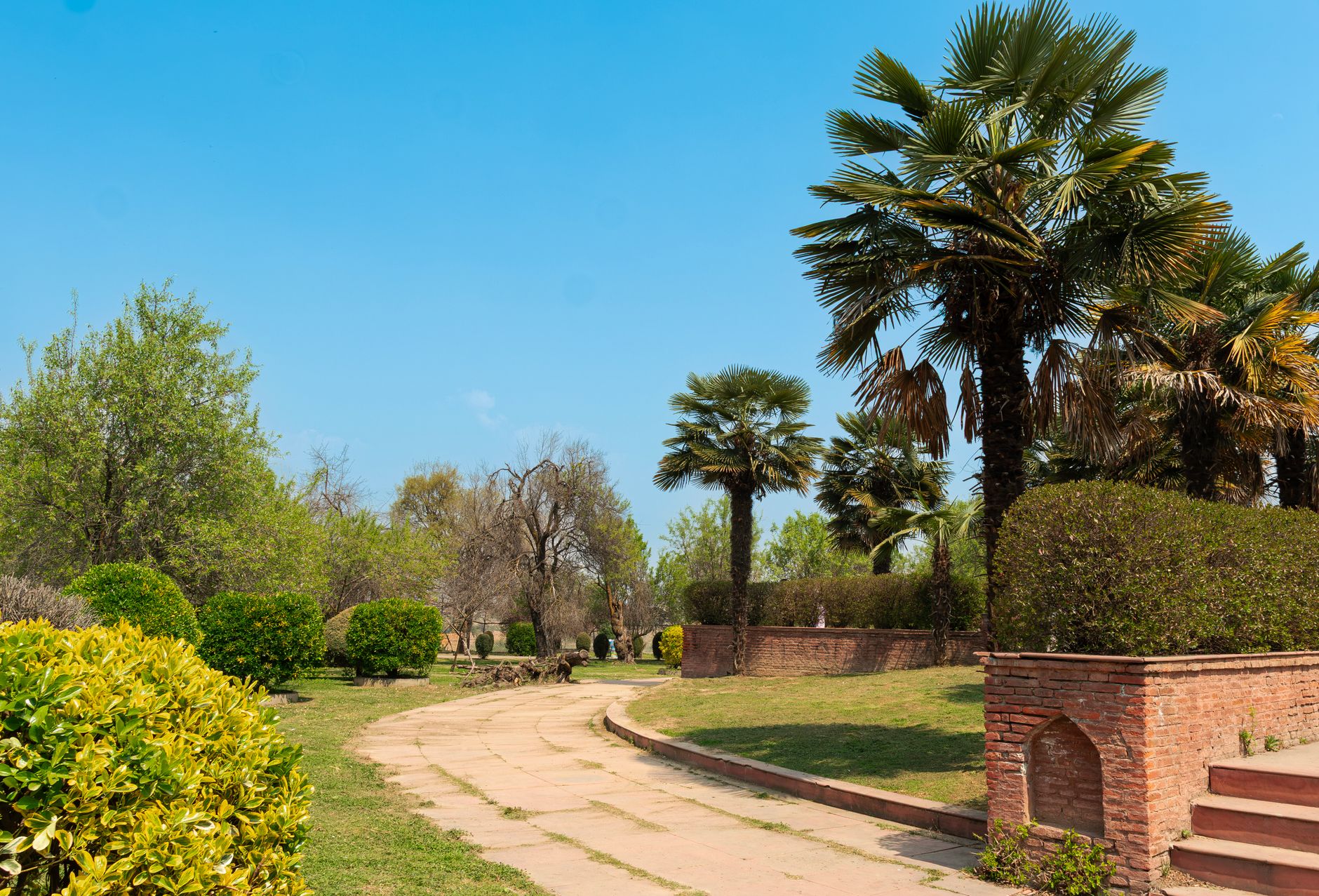
Garden of Five Senses
Twenty acres of sculpture, rock terraces and Mughal-inspired water gardens built into the Delhi ridge at Saket — a designed park meant to be touched, smelled and climbed rather than simply looked at.
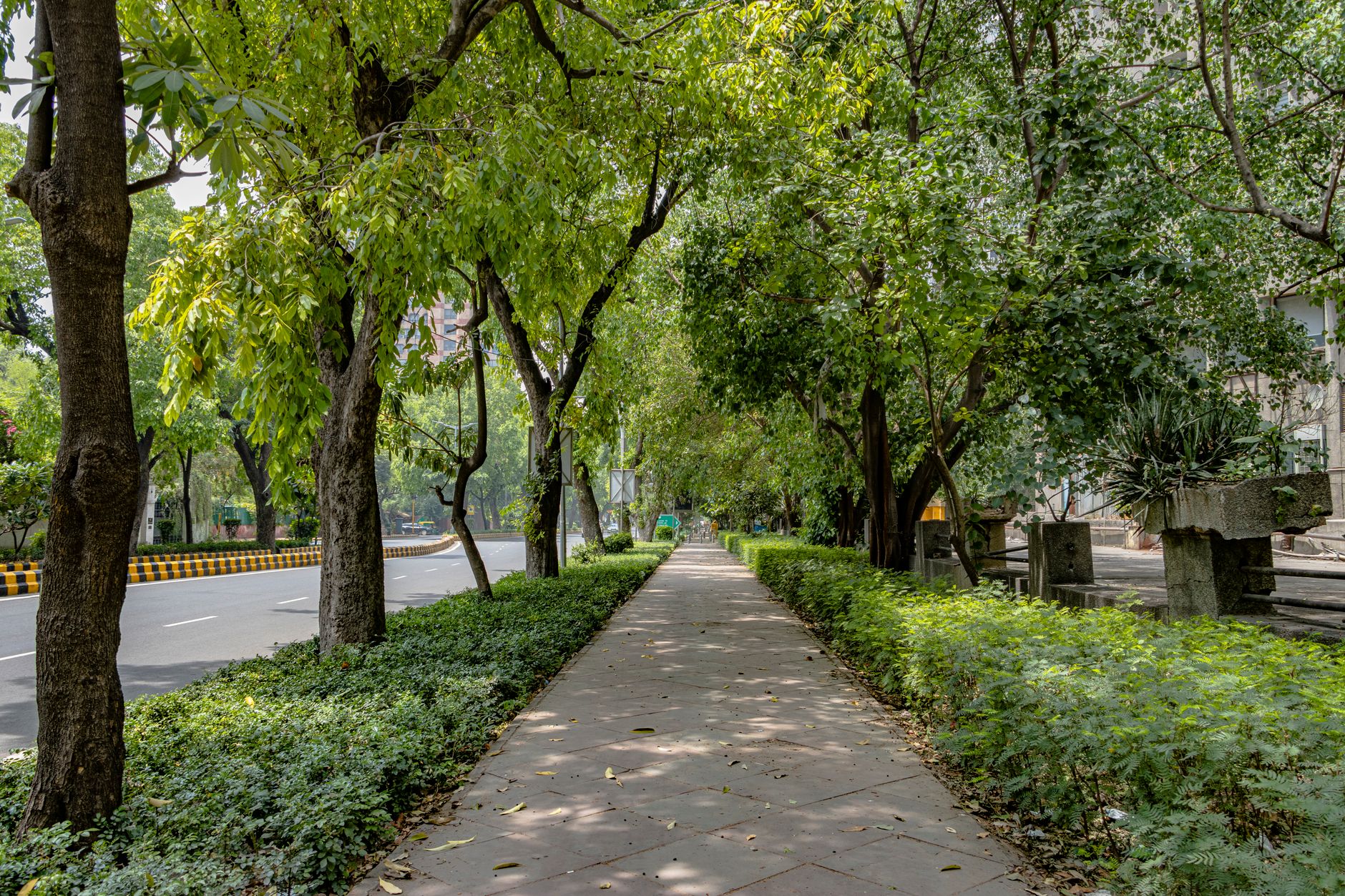
Sanjay Van
Several hundred acres of Aravalli ridge forest between Vasant Kunj and Mehrauli, with dirt trails, nilgai, peacocks and the ruined ramparts of Delhi's first city running through the trees — free, and almost nobody knows it is there.
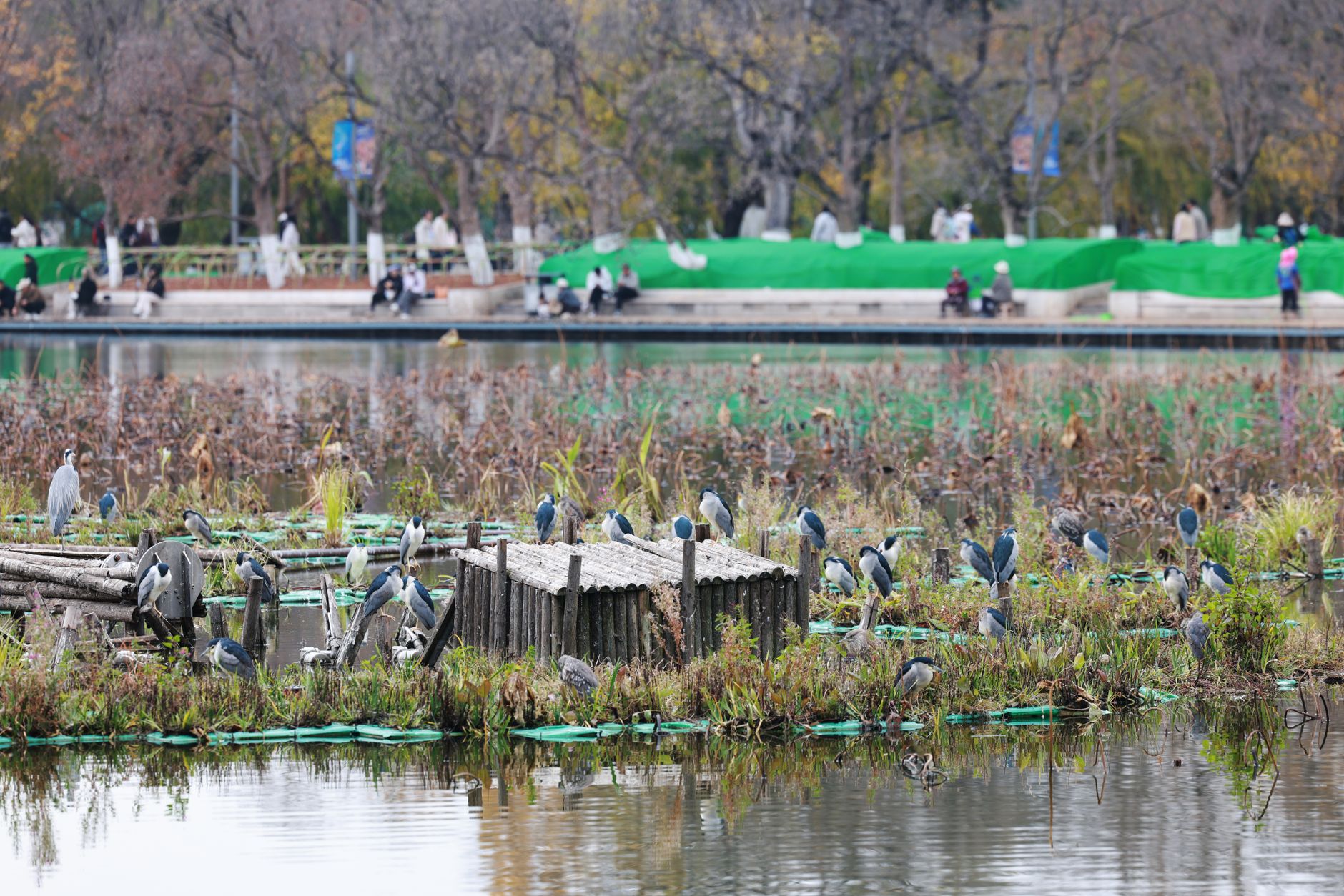
Okhla Bird Sanctuary
A four-square-kilometre wetland where the Yamuna crosses into Uttar Pradesh, with more than three hundred recorded bird species and a metro station named after it — Delhi's most accessible serious birdwatching.
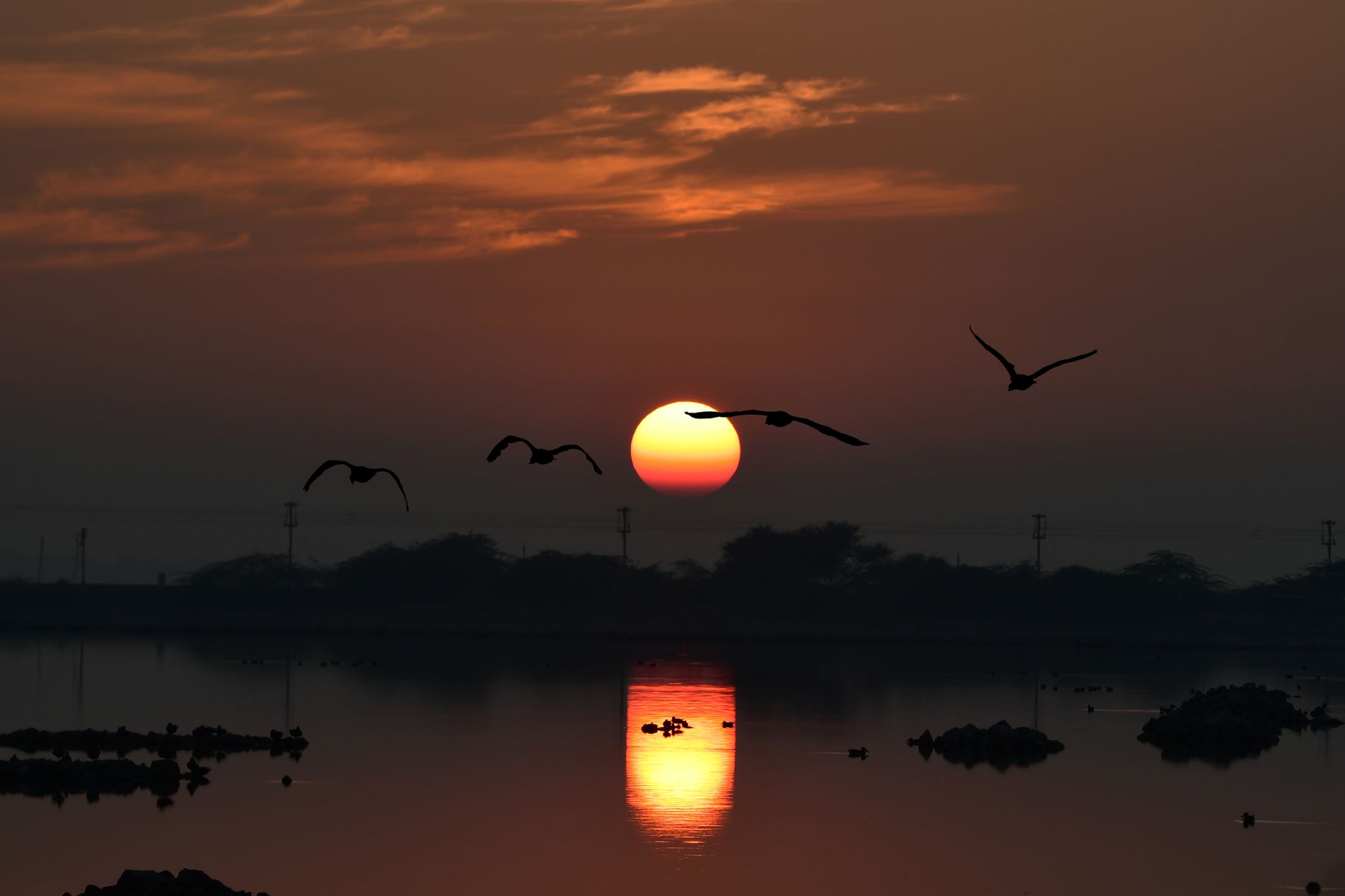
Sultanpur National Park
A shallow seasonal lake in the Haryana countryside an hour from Delhi, ringed by watchtowers, where thousands of wintering ducks, storks, flamingos and cranes come in from November to February.
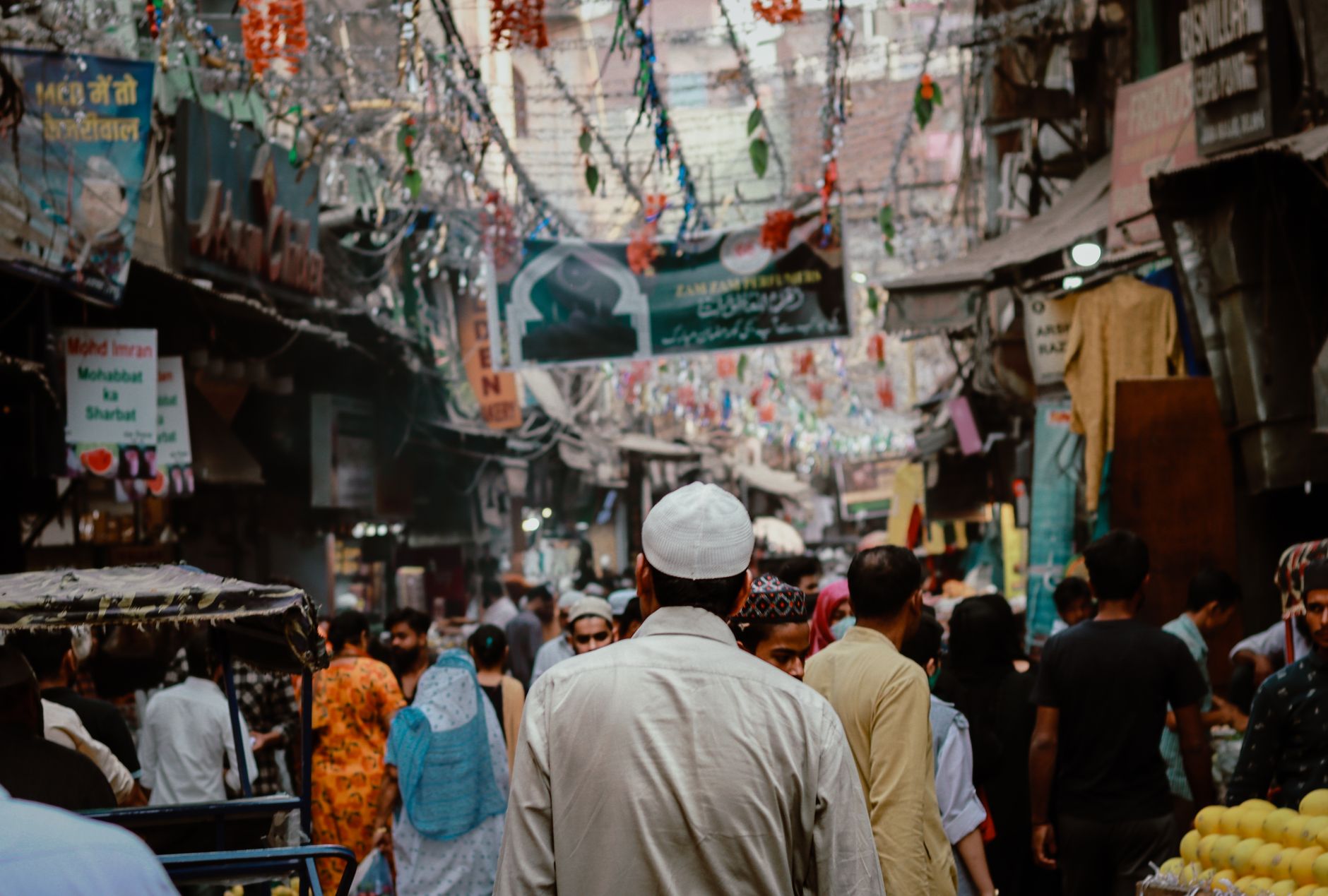
Chandni Chowk Bazaars
The 1650 market avenue Shah Jahan's daughter laid out is still Delhi's loudest, cheapest, most useful shopping street — a spice bazaar, a silver lane and a wedding-trim alley all inside one kilometre.
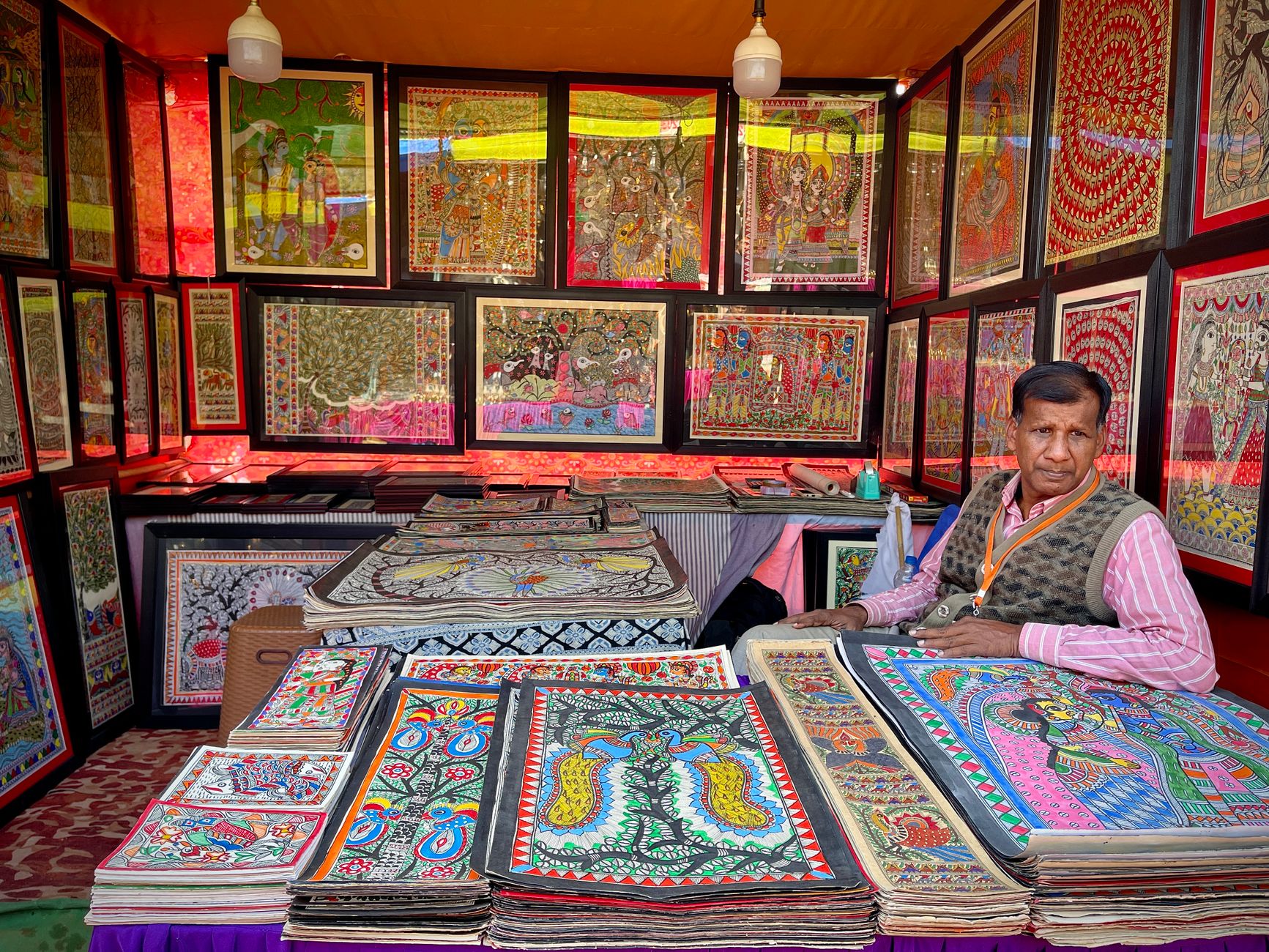
Dilli Haat INA
A ticketed open-air craft village where the stalls rotate every fortnight and every Indian state runs a food kiosk — the least stressful shopping in Delhi, and the only place you can eat Nagaland and Rajasthan in the same hour.
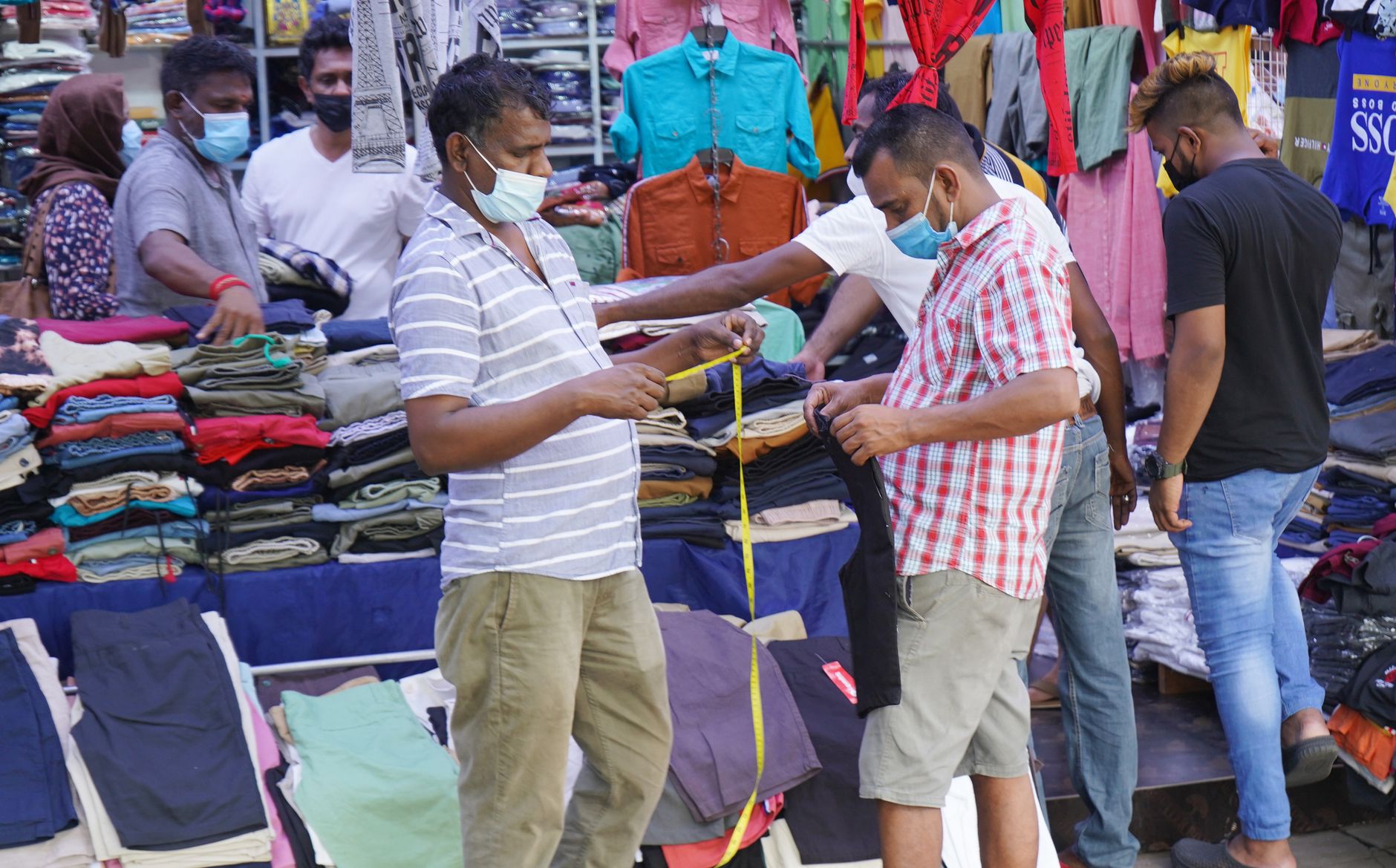
Sarojini Nagar Market
Delhi's export-surplus bargain market, where the same shirt that hangs in a European chain store sells off a pavement rack for ₹250 — if you can bargain, and if you come on a day it is open.
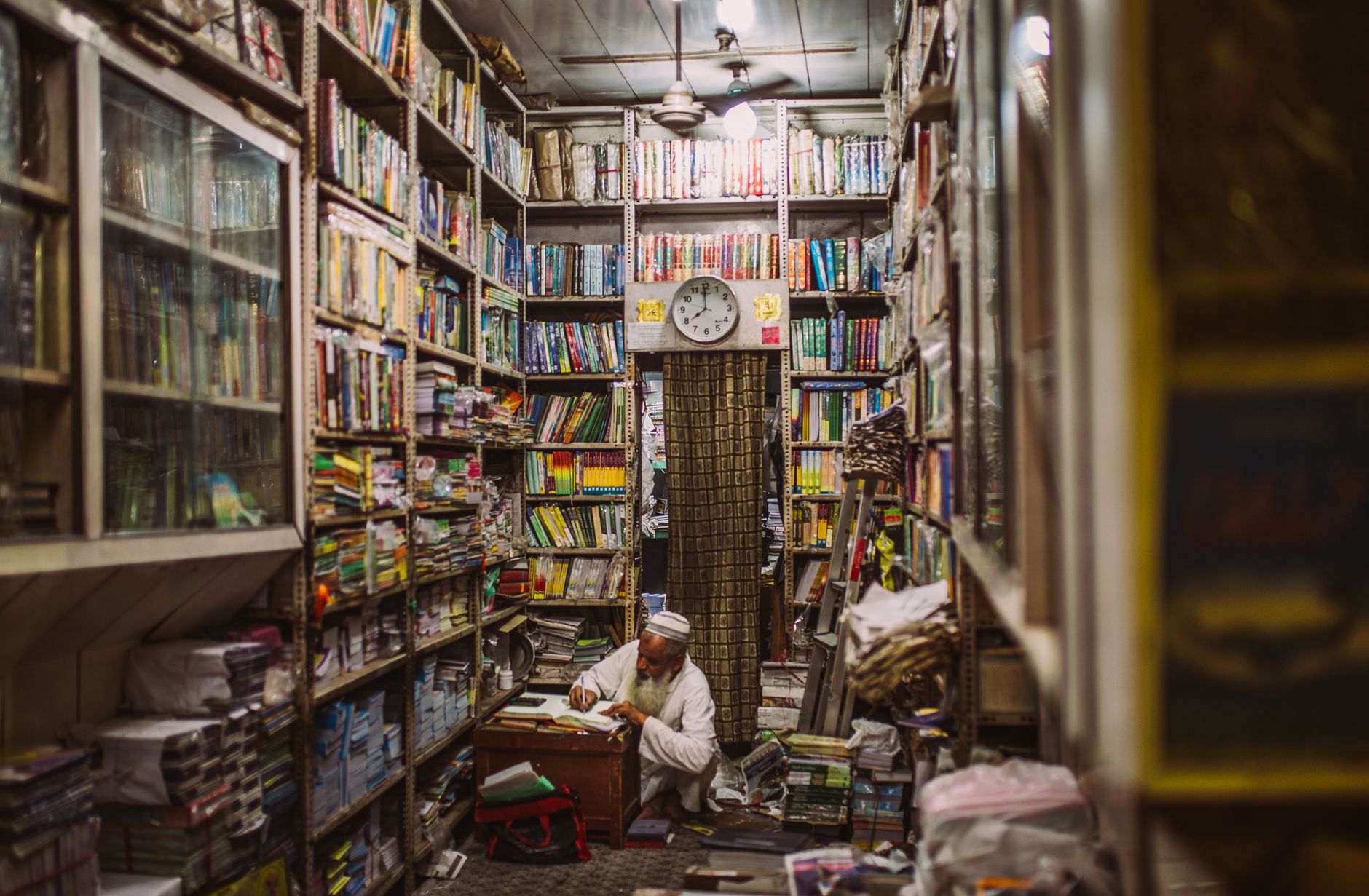
Khan Market
A 1951 refugee-resettlement market that became India's most expensive retail address — bookshops, cafés and a scruffy back lane that quietly serves the best coffee and rolls in central Delhi.
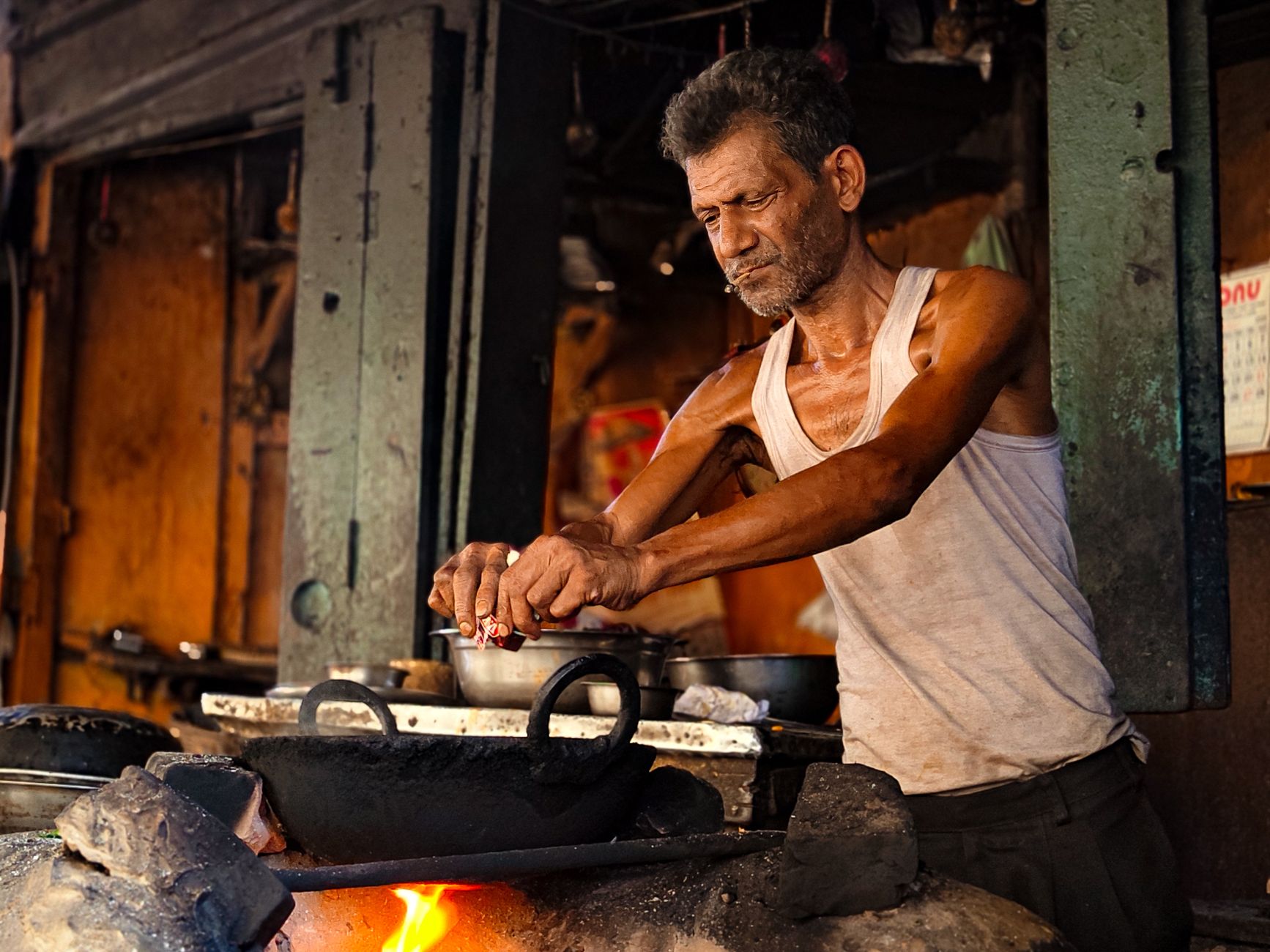
Paranthe Wali Gali
A lane barely two metres wide off Chandni Chowk where three family shops have been deep-frying stuffed parathas in ghee since the 1870s — the most concentrated piece of edible history in Delhi.
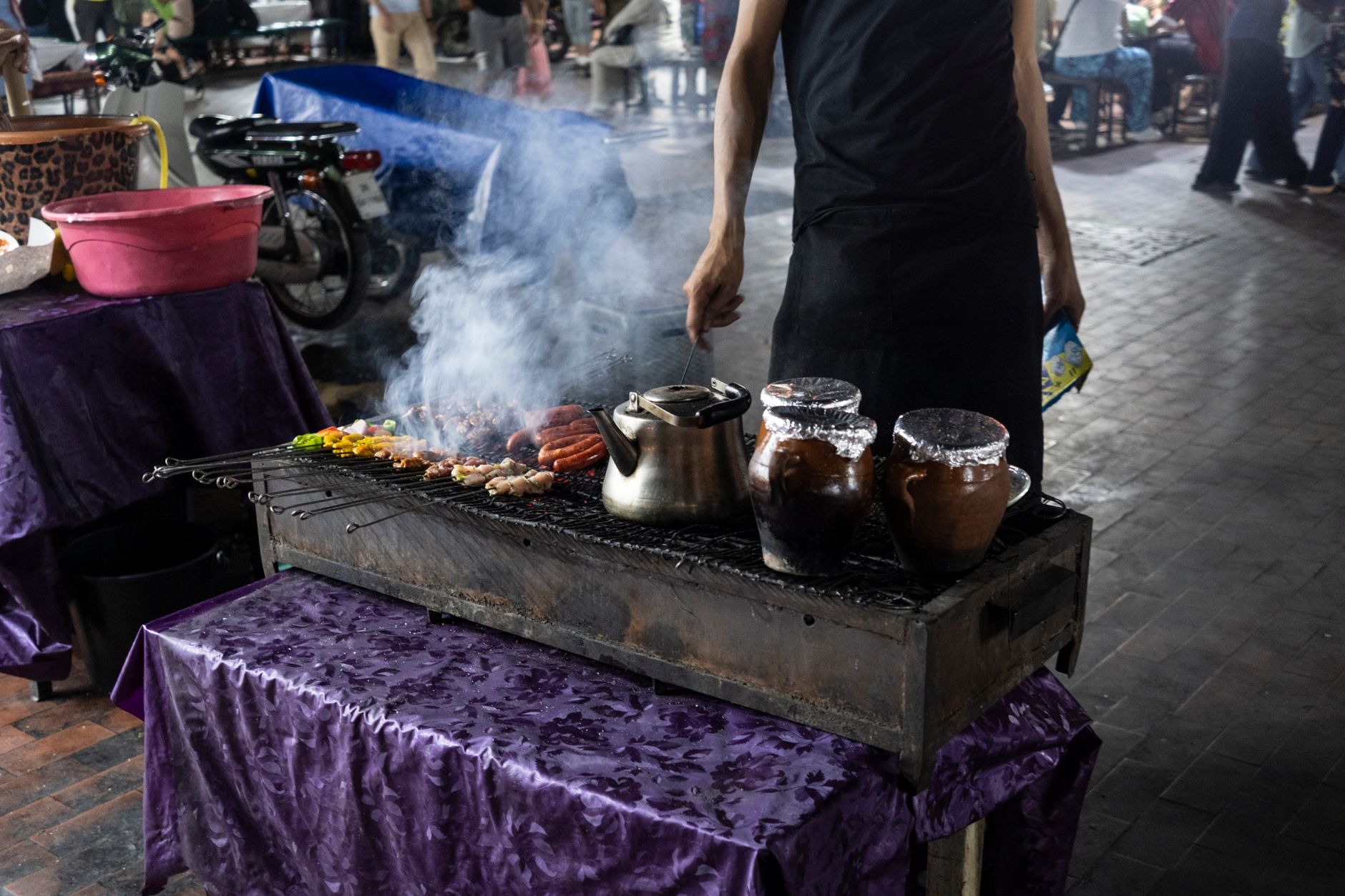
Gali Kababian and Karim's
The kebab lane at Jama Masjid's southern gate, where Karim's has cooked Mughlai food since 1913 and a dozen charcoal grills work the pavement until midnight — Delhi's most famous meat street.

Majnu ka Tilla Tibetan Colony
A Tibetan refugee settlement on the Yamuna's bank where alley kitchens turn out momos, thukpa and laphing for a fraction of restaurant prices — the cheapest good eating in north Delhi, and the quietest.
Doing good is the business: every booking through Stay New Delhi funds one verified tonne of carbon removal — same room, same price, no markup.
Start Your Search