New DelhiDestinations

Hotels in New Delhi · 4/4

For a first visit built around Delhi’s monuments, stay in central Delhi or the south. Connaught Place puts you on the Rajiv Chowk metro interchange, walking distance from Agrasen ki Baoli and Jantar Mantar, with mid-range doubles at roughly ₹3,500–7,000; Paharganj, ten minutes on foot from New Delhi Railway Station, is the cheap end at ₹700–2,000 and is loud, cramped and genuinely convenient for early trains to Agra. Karol Bagh (₹2,500–5,000) is a step up in comfort for a small step out, on the Blue Line and full of shopping on Ajmal Khan Road. Old Delhi around Chandni Chowk has very few hotels but several restored haveli guesthouses near Jama Masjid, usually ₹3,000–8,000, and puts Red Fort and Kinari Bazaar at the end of your lane. Chanakyapuri, the Diplomatic Enclave, is where the ₹14,000–30,000 rooms sit, quiet, green and five minutes from the National Museum end of Lutyens Delhi.

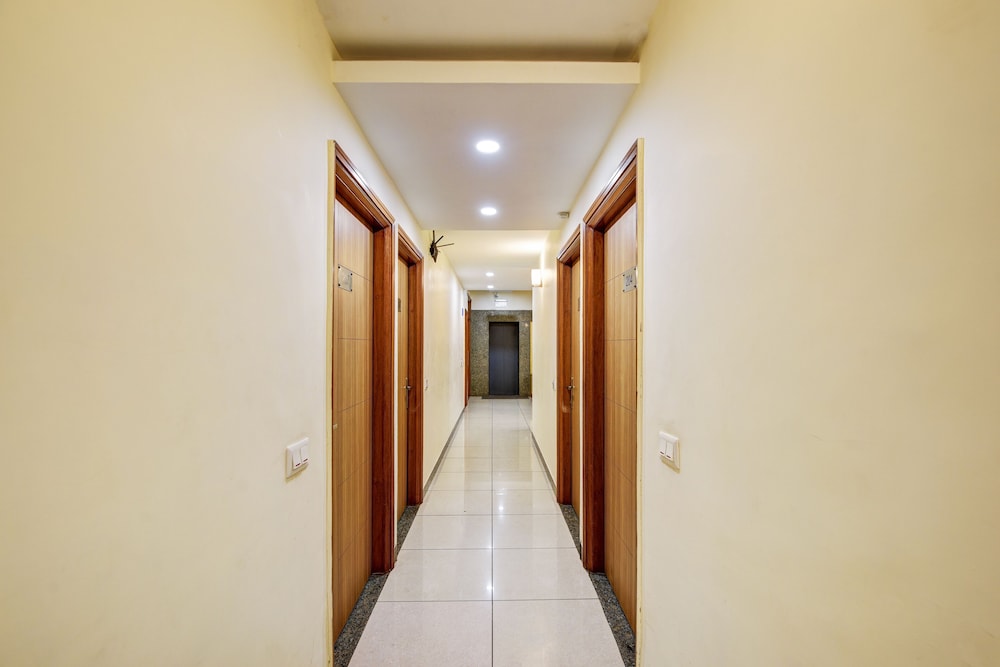
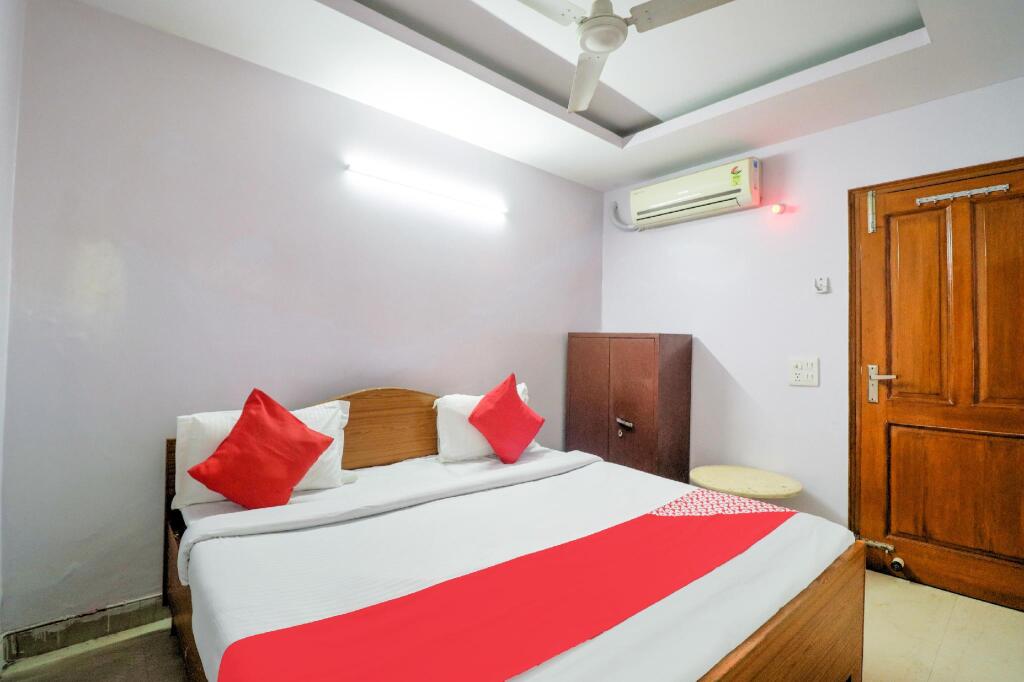
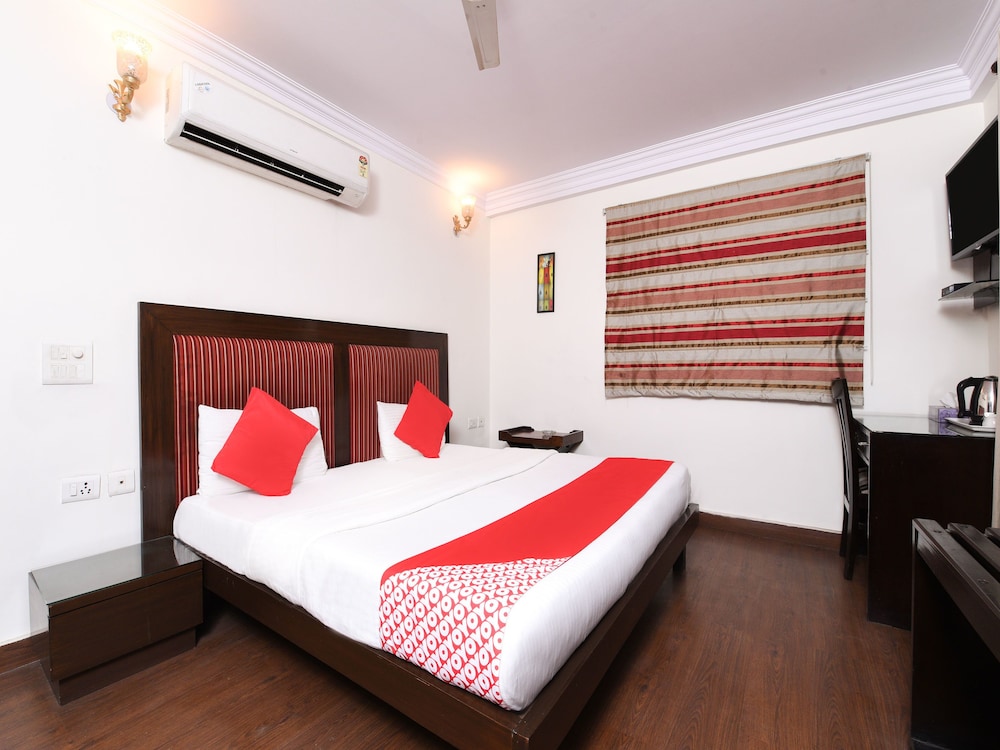
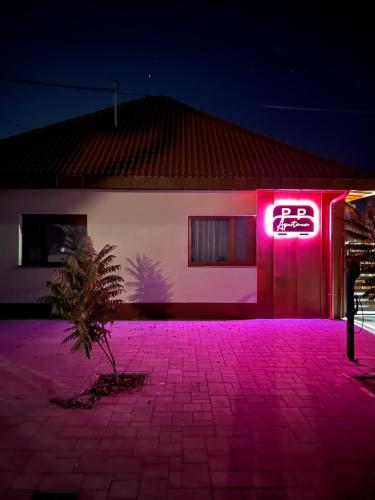
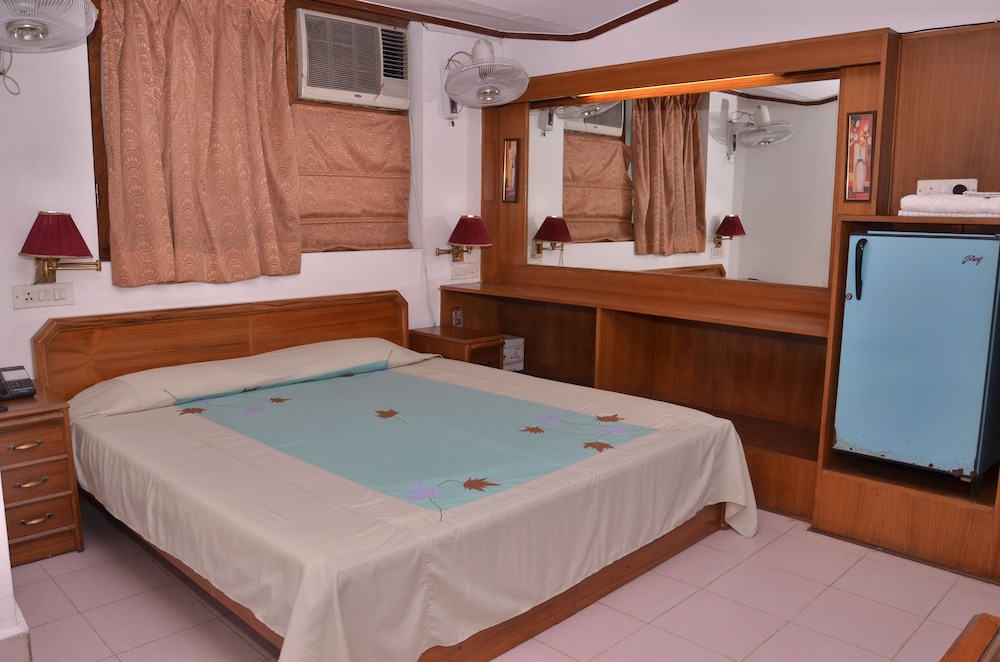
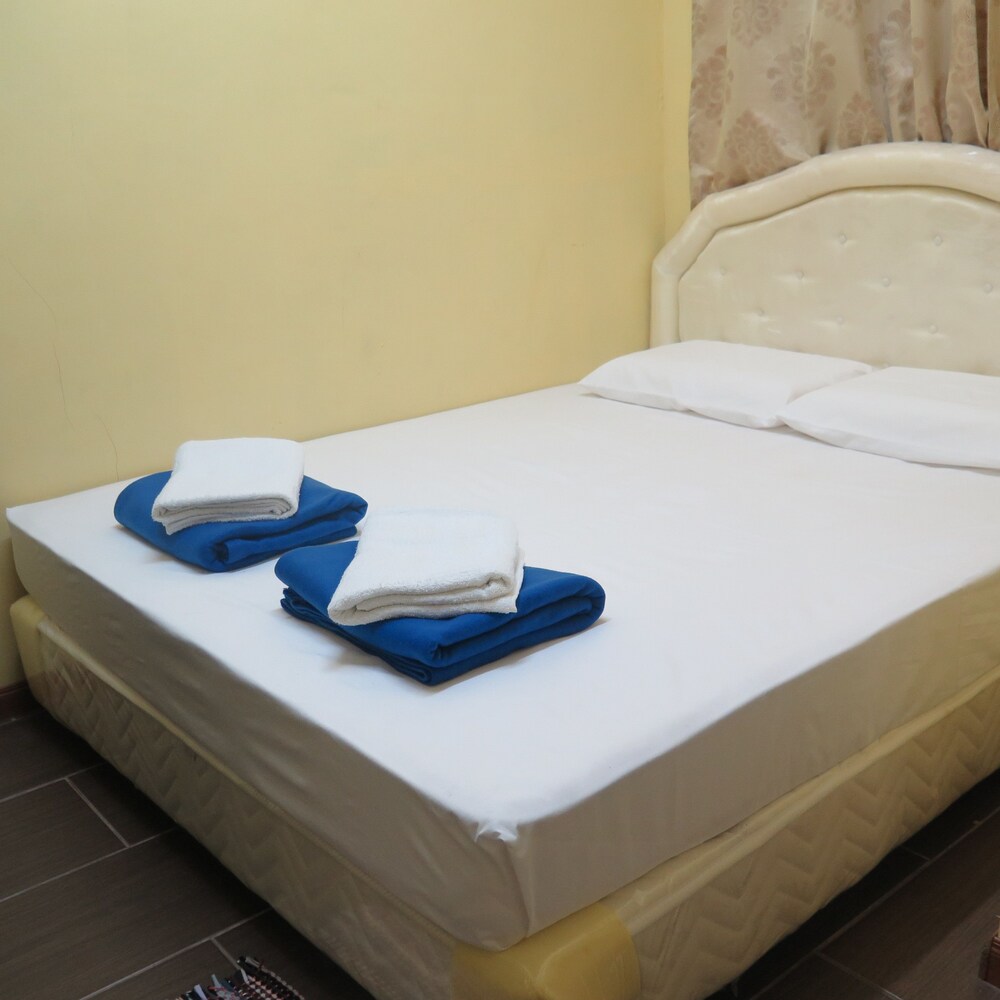
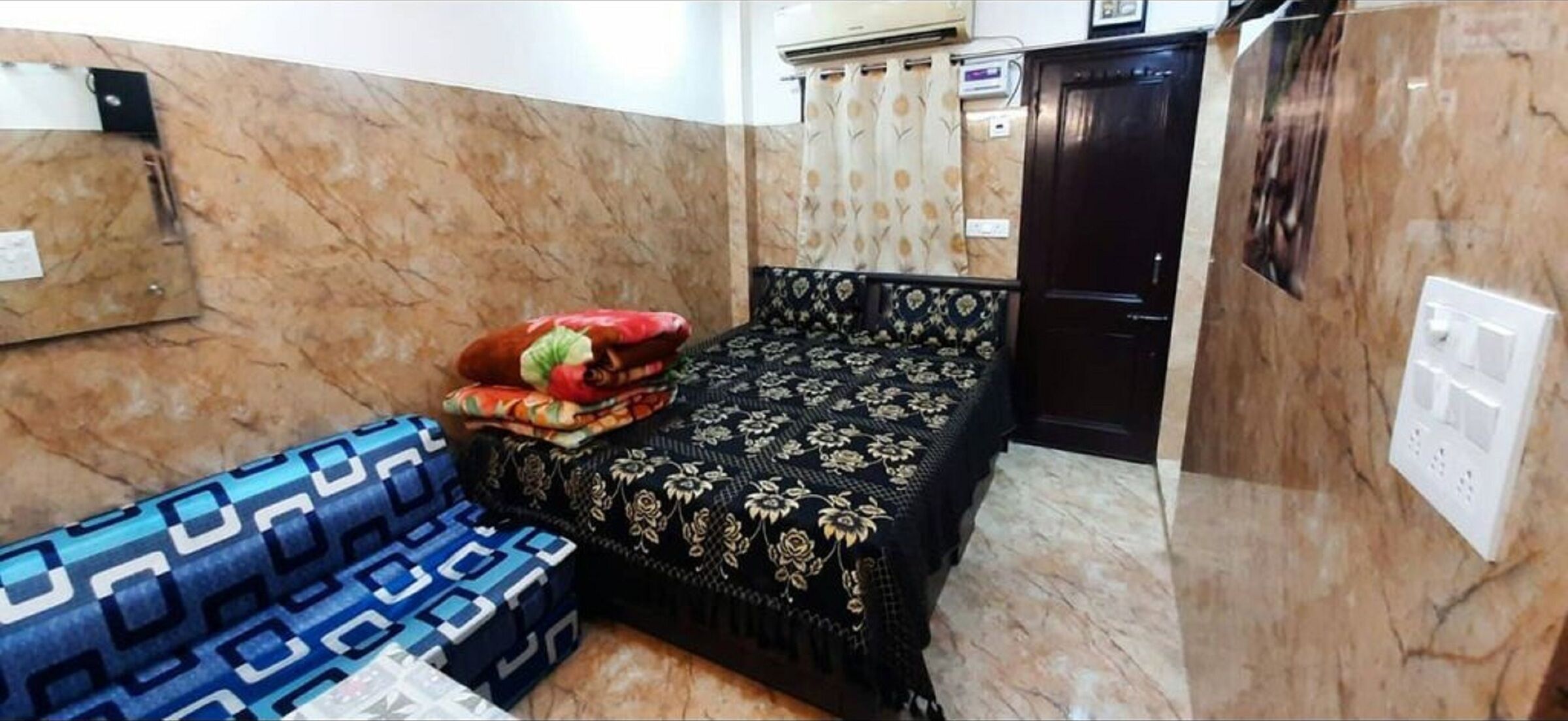
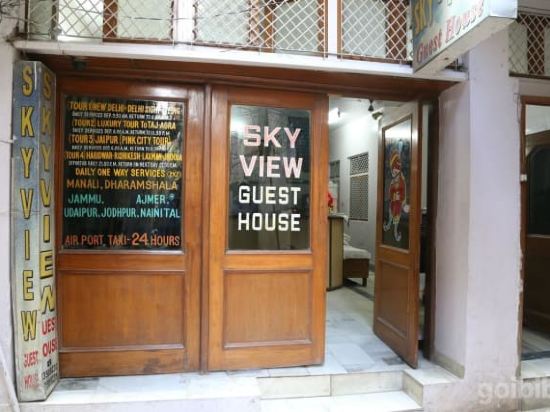
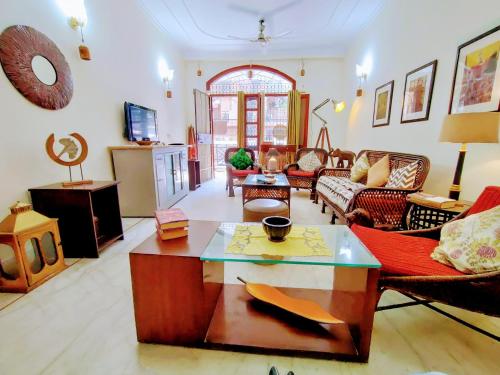
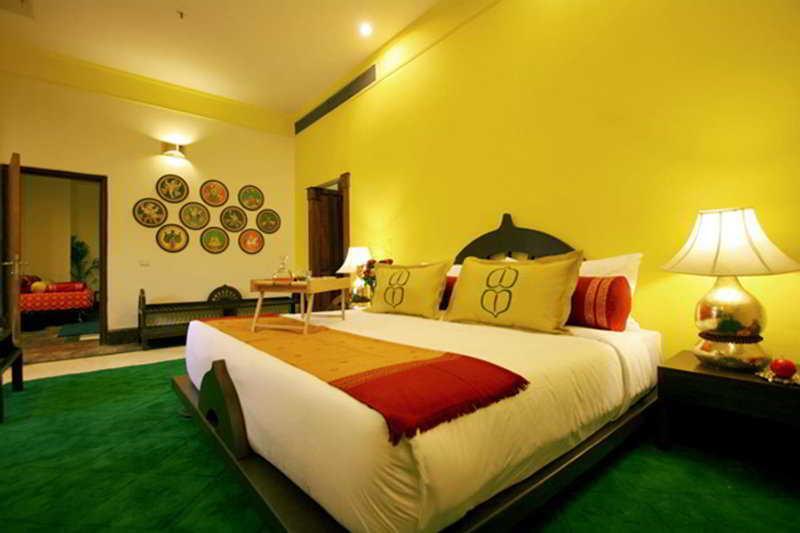
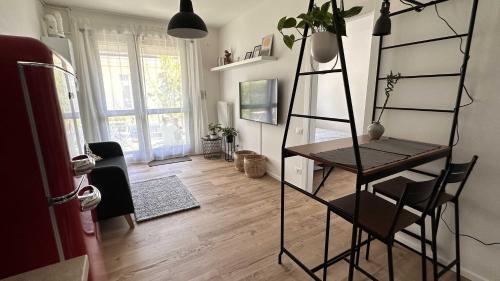
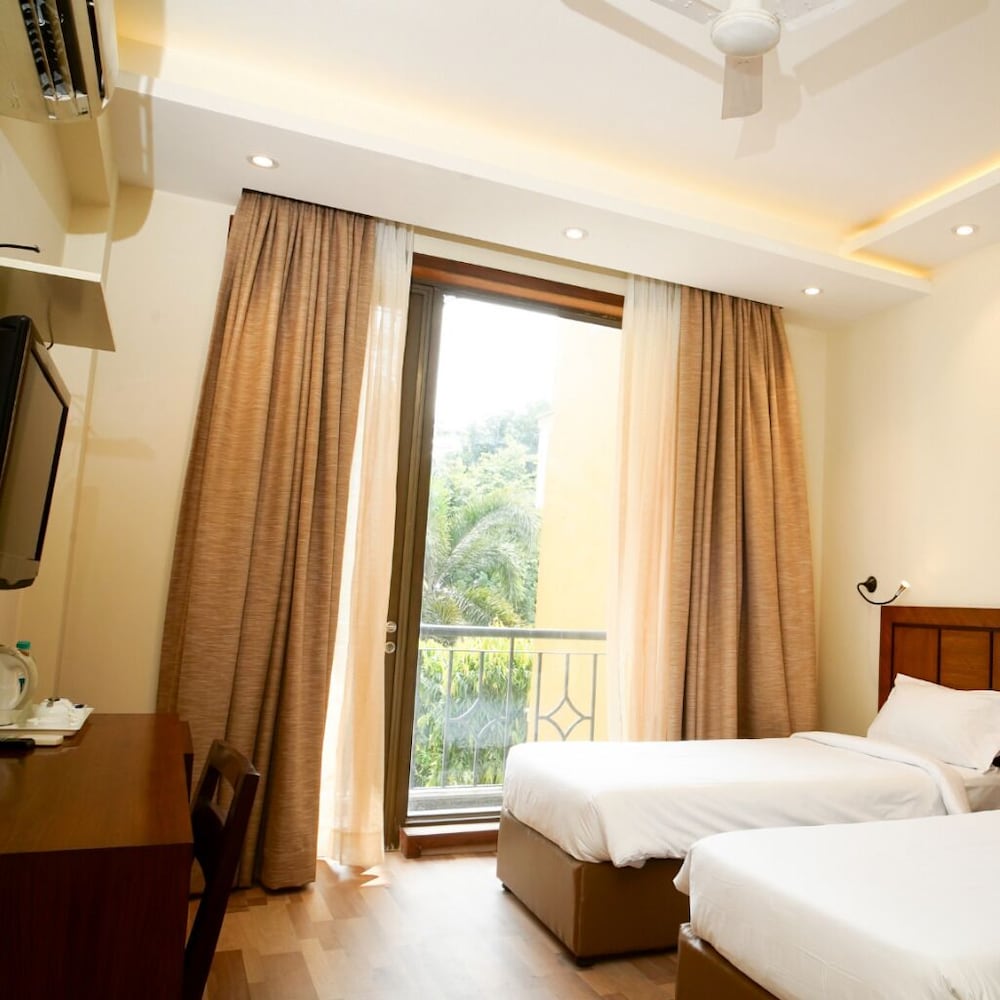
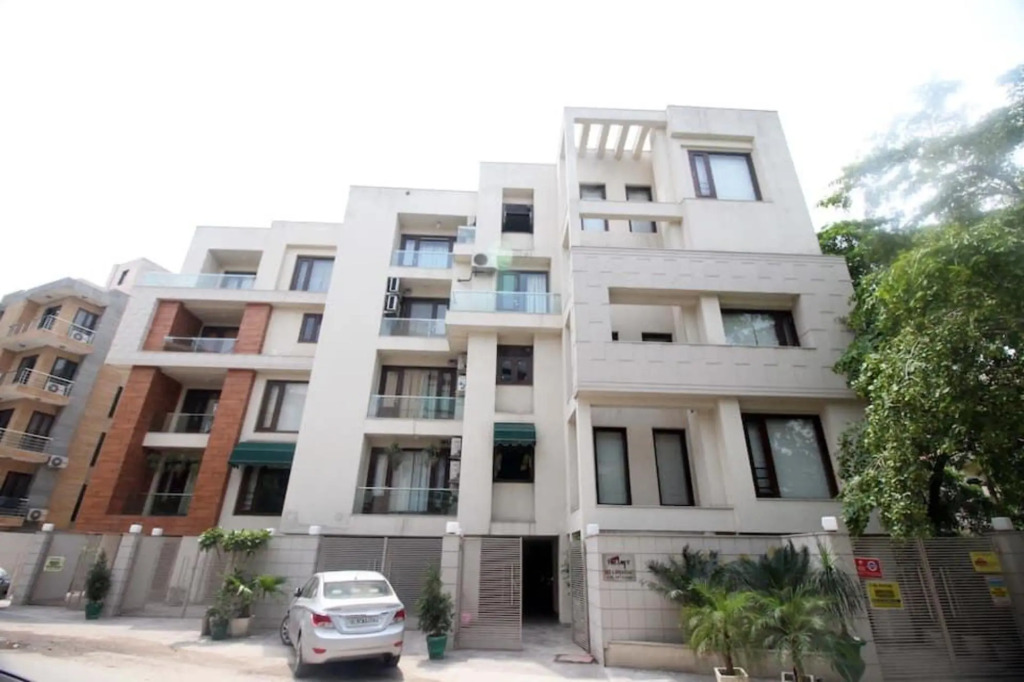
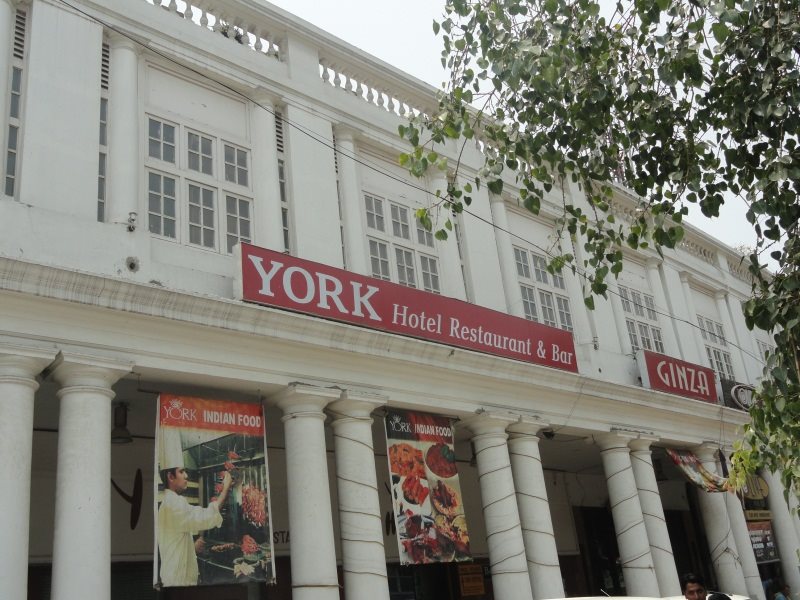
York Hotel Old Delhi (Chandni Chowk) York Hotel 3★ Hotel Prince Palace DX by check in room Lajpat Nagar Hotel Prince Palace DX by check in room 3★ Hotel C G Newly Built 2 Mins From Connaught Place and Railway Station & 5 Mins From VFS Shivaji Stadium Metro Station Lajpat Nagar Hotel C G Newly Built 2 Mins From Connaught Place and Railway Station & 5 Mins From VFS Shivaji Stadium Metro Station 3★ Swift Residency Connaught Place Connaught Place Swift Residency Connaught Place 3★ OYO 15954 Connaught mews Connaught Place OYO 15954 Connaught mews 3★ Connaught Mews Stallen Apartments Connaught Place Connaught Mews Stallen Apartments 3★ YWCA International Guest House Connaught Place YWCA International Guest House 3★ YMCA Tourist Hostel Connaught Place YMCA Tourist Hostel 3★ Apartment 52 Connaught Place Apartment 52 3★ Villa 29 Defence Colony Villa 29 2★ asar CP Outer Circle by Orion Hotels Old Delhi (Chandni Chowk) asar CP Outer Circle by Orion Hotels 2★ Hotel Alka Premier Old Delhi (Chandni Chowk) Hotel Alka Premier 2★ Prem Sagar Guest House Connaught Place Prem Sagar Guest House 2★ Rams Inn Connaught Place Rams Inn 2★ Atithi Connaught Place Atithi 2★ asar Connaught Place by Orion Hotels Connaught Place asar Connaught Place by Orion Hotels 2★ National YMCA Hostel Connaught Place National YMCA Hostel 2★ Blue Triangle Family Hostel Connaught Place Blue Triangle Family Hostel 2★ Janpath Guest House Nehru Place Janpath Guest House 1★ The Leaf Karol Bagh The Leaf 1★ Hotel Welcome Group Maurya Sheraton Chanakyapuri Hotel Welcome Group Maurya Sheraton 1★ R. K. International Agra R. K. International Stay nearby Lutyen’s Delhi just 15min from Connaught Place Nehru Place Stay nearby Lutyen’s Delhi just 15min from Connaught Place Awasthi Kozi Stays B&B closest to VFS Connaught Place Awasthi Kozi Stays B&B closest to VFS

Where to stay in New Delhi: the areas worth your week

For a first visit built around Delhi’s monuments, stay in central Delhi or the south. Connaught Place puts you on the Rajiv Chowk metro interchange, walking distance from Agrasen ki Baoli and Jantar Mantar, with mid-range doubles at roughly ₹3,500–7,000; Paharganj, ten minutes on foot from New Delhi Railway Station, is the cheap end at ₹700–2,000 and is loud, cramped and genuinely convenient for early trains to Agra. Karol Bagh (₹2,500–5,000) is a step up in comfort for a small step out, on the Blue Line and full of shopping on Ajmal Khan Road. Old Delhi around Chandni Chowk has very few hotels but several restored haveli guesthouses near Jama Masjid, usually ₹3,000–8,000, and puts Red Fort and Kinari Bazaar at the end of your lane. Chanakyapuri, the Diplomatic Enclave, is where the ₹14,000–30,000 rooms sit, quiet, green and five minutes from the National Museum end of Lutyens Delhi.

South Delhi is the sensible base if archaeology is the point, because the Qutub Minar, Mehrauli Archaeological Park, Tughlaqabad and Hauz Khas complex are all down here. Hauz Khas (₹3,000–6,000) sits beside Firoz Shah Tughlaq’s madrasa and the 1295 reservoir; Saket (₹4,000–8,000) is two metro stops from Qutub Minar station; Greater Kailash and Defence Colony run ₹3,500–7,000 in serviced apartments and B&Bs; Lajpat Nagar (₹1,800–3,500) and Nehru Place (₹3,000–6,000) are cheaper and both on the Violet Line. On the airport side, Aerocity is ₹8,000–18,000 and five minutes from Terminal 3, while Mahipalpur across NH-48 does the same location for ₹1,200–2,800 with far less comfort; Vasant Kunj and Dwarka fall between at ₹2,500–9,000. Rohini, Mayur Vihar, Noida, Ghaziabad and Faridabad are commuter bases best left to people with business there, and Gurugram (₹6,000–14,000) makes sense only if your week is in Cyber City. Agra, Jaipur, Mathura and Vrindavan and Neemrana are overnight extensions, not Delhi bases.

Best time to visit New Delhi, month by month, and what it does to room rates

February and October are the two best months, and rates reflect it. October brings the end of the monsoon and daytime highs around 32°C, with Dussehra Ramlilas and the Delhi Half Marathon filling central hotels; November drops to a comfortable 25°C but brings the post-Diwali smog, with AQI regularly above 300 and GRAP restrictions in force, plus the India International Trade Fair at Pragati Maidan from 14 to 27 November, which pushes Connaught Place and Nehru Place rates up 30–50 per cent. December is 7–20°C with dense fog from mid-month that delays flights at IGI and trains out of New Delhi Railway Station, and the last week of December is the single most expensive stretch of the year. January is the coldest, with nights near 5°C, and the Republic Day parade on Kartavya Path on 26 January closes roads across Lutyens Delhi and tightens security for a week either side.

February is the month to aim for: 10–25°C, clear light on the sandstone at Humayun’s Tomb, and the Surajkund Mela at Faridabad running 1–16 February. March is still pleasant until Holi, after which temperatures climb fast, and by May and June Delhi sits at 42–46°C, which makes Tughlaqabad Fort or Mehrauli genuinely unsafe after about 10am. That heat is also when five-star rooms in Chanakyapuri and Aerocity fall to their lowest, often 40 per cent below December. The monsoon runs from late June to mid-September, with July alone bringing around 200 mm of rain, waterlogging on the Ring Road and the cheapest rates of the year outside the wedding lull; 15 August closes the Red Fort to visitors for Independence Day preparations and the day itself.

Getting around New Delhi: metro, autos, taxis and whether you need a car

You do not need a car in Delhi. The Delhi Metro runs around 390 km across a dozen lines with fares of ₹10–60, and it reaches almost every site on an archaeology itinerary: Chandni Chowk and Lal Qila for the Red Fort, Rajiv Chowk for Connaught Place, Jor Bagh for Lodhi Gardens and Safdarjung’s Tomb, Hauz Khas for the madrasa complex, and Qutub Minar station a short auto ride from the Qutub. Trains run roughly 06:00 to 23:00 and a Tourist Card costs ₹200 for one day or ₹500 for three, plus a ₹50 refundable deposit. Autorickshaws start at about ₹30 for the first 1.5 km and are the right tool for the last two kilometres from a metro exit; insist on the meter or use an app. Ola and Uber work everywhere and a Connaught Place to Qutub Minar run, about 15 km, is usually ₹300–450 off-peak.

From the airport, the Airport Express (Orange Line) covers the 22.7 km from IGI Terminal 3 to New Delhi Railway Station in about 20 minutes for ₹60, stopping at Delhi Aerocity and Dhaula Kuan. A prepaid taxi from T3 to Connaught Place runs ₹500–700 and takes 35–50 minutes depending on traffic on NH-48 and Dhaula Kuan. Where a car earns its keep is the Mehrauli belt and the day trips: a car with driver on the standard 8-hour, 80-km basis costs roughly ₹2,500–3,500 in Delhi, which makes sense for a Qutub Minar, Mehrauli Archaeological Park, Sultan Ghari and Tughlaqabad loop that no metro line strings together. For Agra, the Gatimaan Express from Hazrat Nizamuddin does Agra Cantt in 100 minutes; for Jaipur, the Ajmer Shatabdi from New Delhi takes about four and a half hours, and both beat driving the Yamuna Expressway or NH-48.

How many nights in New Delhi, and a first-timer itinerary that works

Four nights is the working minimum if the monuments are why you came, because Delhi’s archaeology is spread across three separate clusters 15–20 km apart. Day one is Shahjahanabad: Red Fort, Jama Masjid and the lanes off Chandni Chowk, remembering the Red Fort is closed on Mondays and the main bazaar street is pedestrianised through the day. Day two is Mehrauli, the oldest layer: Qutub Minar and the Iron Pillar, then Mehrauli Archaeological Park for Balban’s tomb, Jamali Kamali and Rajon ki Baoli, with Tughlaqabad’s 1321 ramparts if you still have legs. Day three is the Nizamuddin corridor: Humayun’s Tomb, Sunder Nursery’s 15 monuments across 90 acres, Purana Qila, then Lodhi Gardens and Safdarjung’s Tomb in the late afternoon light.

Add a fifth night for the National Museum on Janpath, Feroz Shah Kotla with its Ashokan pillar, and Agrasen ki Baoli off Hailey Road near Connaught Place. Six or seven nights lets you fold in Agra properly, ideally sleeping there one night so you get the Taj Mahal at sunrise and Fatehpur Sikri without rushing, or Jaipur for Amber Fort and Jantar Mantar. Ten nights covers the full Delhi–Agra–Jaipur triangle with a night at Neemrana, 122 km down NH-48, on the way back. Keep your Delhi hotel booked through the day trips if you can; a second check-in in Karol Bagh or Hauz Khas costs more in time than the two nights of room rate you save.

What hotels actually cost in New Delhi, by standard

Budget in Delhi means ₹700–1,800 a night, which in Paharganj or Mahipalpur buys a small double with an air conditioner of uncertain vintage, a bucket-shower bathroom and a lift that may or may not run. Mid-range is ₹2,500–6,000 and is where Delhi is genuinely good value: at ₹4,000 in Karol Bagh, Defence Colony, Greater Kailash or Hauz Khas you get a proper double, reliable hot water, working air conditioning and usually breakfast. Upper-tier business hotels in Aerocity, Nehru Place, Dwarka and Gurugram sit at ₹8,000–15,000 with pools and airport shuttles. The top end is Chanakyapuri and Lutyens Delhi, ₹18,000–40,000 for the palace hotels, and out at the extreme a Taj-view room in Agra can pass ₹45,000.

Two things move those numbers. GST is added on top and is not always shown in the headline rate: rooms up to ₹7,500 a night sit in a lower slab, anything above ₹7,500 is taxed at 18 per cent, so a ₹7,400 quote and a ₹7,900 quote are closer than they look at the till. The spikes are predictable and worth avoiding: the last week of December, the trade fair fortnight of 14–27 November at Pragati Maidan, the days around Republic Day on 26 January, and the November-to-February wedding season, when banquet-heavy areas like Karol Bagh, Rohini and Greater Kailash sell out and charge for it. Conversely, May, June and August are 30–40 per cent cheaper across every category, including the Chanakyapuri properties that never discount in winter.

The Delhi booking traps nobody warns you about

The oldest one still runs outside New Delhi Railway Station and in Paharganj: a driver or a helpful stranger tells you your hotel has closed, burned down or been booked out, and offers to take you to an alternative or to a 'government tourist office' near Connaught Place that is nothing of the sort. Have the hotel’s phone number, call it, and refuse the detour. Two smaller ones catch people out: many Indian hotels run a 24-hour clock rather than a noon checkout, so a 21:00 check-in means a 21:00 checkout, which is either a gift or a nasty surprise depending on your flight. And foreign nationals must be registered on Form C, which a fair number of the cheapest Paharganj and Karol Bagh guesthouses simply are not set up to do, so confirm before you pay.

The area people wrongly skip is south Delhi. Visitors book Connaught Place or Paharganj because that is where the guidebook maps centre, then spend two hours a day in traffic getting to the Qutub Minar, Mehrauli Archaeological Park and Hauz Khas, all of which are 15–20 km south. A room in Saket, Hauz Khas or Greater Kailash at ₹3,500–6,000 puts you inside the oldest archaeological belt in the city and still 25 minutes from Rajiv Chowk on the Yellow Line. The season nobody expects is late January and early February fog, which can hold visibility below 100 metres until mid-morning and quietly wrecks a sunrise plan at Humayun’s Tomb or a 06:00 departure for Agra; build a spare morning into any four-night winter trip.

Questions, answered

Which is the best area to stay in New Delhi for sightseeing?
Connaught Place is the best all-round base, because Rajiv Chowk is the interchange between the Yellow and Blue lines and puts Chandni Chowk five stops north and Hauz Khas seven stops south. If your trip is built around the Qutub Minar, Mehrauli Archaeological Park and Tughlaqabad, stay in Saket or Hauz Khas instead and save the daily 15 km commute. For quiet and space, Chanakyapuri and Defence Colony work well, though Chanakyapuri starts around ₹14,000. Paharganj is only worth it for the ₹700–2,000 price and the ten-minute walk to New Delhi Railway Station.
What is the cheapest month to visit Delhi?
June and August are the cheapest, with rates 30–40 per cent below December across every category. June is the reason: daytime temperatures of 42–46 °C make Tughlaqabad Fort or the open lawns at Humayun’s Tomb unpleasant after about 10am, so hotels in Aerocity and Chanakyapuri that never discount in winter start doing so. August is monsoon, humid and prone to waterlogging on the Ring Road, but mornings are workable and Sunder Nursery is at its greenest. If you want low prices without the extremes, the first three weeks of September or the second half of March are the compromise.
How many nights do I need in Delhi?
Four nights is the minimum for the main monuments, because Shahjahanabad, Mehrauli and the Nizamuddin corridor are three separate clusters 15–20 km apart and each takes most of a day. Five nights adds the National Museum on Janpath, Feroz Shah Kotla and Agrasen ki Baoli without rushing. Six or seven lets you add Agra with an overnight there, which is the only way to see the Taj Mahal at sunrise and still reach Fatehpur Sikri. For the full Delhi–Agra–Jaipur circuit with a night at Neemrana, plan on ten.
How do I get from Delhi airport to the city centre?
The Airport Express metro is fastest: 22.7 km from Terminal 3 to New Delhi Railway Station in about 20 minutes for ₹60, with stops at Delhi Aerocity and Dhaula Kuan. A prepaid taxi from the T3 arrivals counter to Connaught Place costs ₹500–700 and takes 35–50 minutes depending on NH-48 traffic. Ola and Uber pick up from the designated bays and price similarly outside surge hours. If you are staying in Aerocity itself the drive is under 10 minutes, and most hotels there run a free shuttle; Mahipalpur is the same distance on the other side of NH-48 but you will need an auto.
Do I need a car in New Delhi?
No, not for the city itself. The metro covers nearly 390 km with fares of ₹10–60 and reaches Lal Qila, Jor Bagh, Hauz Khas and Qutub Minar stations, with autos at about ₹30 for the first 1.5 km filling the last stretch. A car with driver, at roughly ₹2,500–3,500 for the standard 8 hours and 80 km, is worth it for one day only: the Mehrauli Archaeological Park, Sultan Ghari and Tughlaqabad loop that no single metro line connects. For Agra and Jaipur, take the Gatimaan Express or the Ajmer Shatabdi rather than driving.
Is Delhi better for families or for couples, and which areas suit each?
Both work, but the areas differ. Families do best in Vasant Kunj, Dwarka or Saket, where hotels have pools, larger rooms and easy parking, and Saket sits two metro stops from Qutub Minar; expect ₹4,000–9,000. Couples tend to prefer Hauz Khas for the deer park and the ruins beside the reservoir, or Nizamuddin East for the walk to Sunder Nursery and Humayun’s Tomb, at ₹3,000–7,000. Extra beds and cots are widely available but rarely free, usually ₹800–1,500 a night, and Indian hotels often cap occupancy at three per room.
What should I book well in advance in Delhi?
Book your hotel early for the last week of December, the India International Trade Fair fortnight of 14–27 November at Pragati Maidan, and the days around Republic Day on 26 January, when Lutyens Delhi tightens up and central rooms both sell out and spike. Gatimaan Express seats to Agra Cantt and Shatabdi seats to Jaipur open 60 days ahead and the good morning departures go quickly in the October–March season. Taj Mahal tickets are worth buying online in advance, and remember it is closed on Fridays. Red Fort and the National Museum both close on Mondays, so plan the day order around that.
What is a typical nightly hotel rate in New Delhi?
A decent mid-range double runs ₹2,500–6,000 a night in Karol Bagh, Defence Colony, Greater Kailash or Hauz Khas, and that is the sweet spot for comfort per rupee. Budget rooms in Paharganj and Mahipalpur go for ₹700–1,800, business hotels in Aerocity, Nehru Place and Gurugram for ₹8,000–15,000, and the Chanakyapuri palace hotels for ₹18,000–40,000. Add GST on top: rooms up to ₹7,500 sit in a lower slab, anything above ₹7,500 is taxed at 18 per cent. Rates across all bands drop 30–40 per cent in May, June and August.
Is New Delhi walkable?
In pockets, yes; overall, no. Chandni Chowk between Red Fort and Fatehpuri Masjid is pedestrianised and best on foot, the Lodhi Gardens to Safdarjung’s Tomb stretch is an easy walk, and Connaught Place’s inner and outer circles are designed for it. But the distances between clusters defeat walking: Connaught Place to Qutub Minar is 15 km, and to Humayun’s Tomb about 7 km. Use the metro for the long hops and autos for the last kilometre, and in May and June do all your walking before 10am.
Where should I stay to see Delhi’s archaeological sites and the Qutub Minar?
Stay in Saket, Hauz Khas or Greater Kailash. The Qutub Minar, the Iron Pillar, Mehrauli Archaeological Park with Balban’s tomb, Jamali Kamali and Rajon ki Baoli, Sultan Ghari and the 1321 walls of Tughlaqabad are all in the southern belt, and a ₹3,500–6,000 room here saves you two hours a day in traffic from Connaught Place. Hauz Khas has the added advantage of Firoz Shah Tughlaq’s 1352 madrasa and Alauddin Khalji’s reservoir at the end of the street. ASI monuments open sunrise to sunset with tickets at ₹35 for Indian nationals and ₹550 for foreign nationals at Qutub Minar and Humayun’s Tomb. Yellow Line trains put you back at Rajiv Chowk in about 25 minutes when you want central Delhi.