Home/Stays/West Bengal/Jalpaiguri
Stays in Jalpaiguri
Jalpaiguri is a city in the Indian state of West Bengal, situated in the northern part of the state near the Himalayan foothills. It serves as the administrative headquarters of Jalpaiguri district and is known as the gateway to the Dooars region, a stretch of tea gardens and forests between the…
Every stay in Jalpaiguri
Recent rates first, then the best-reviewed rooms.










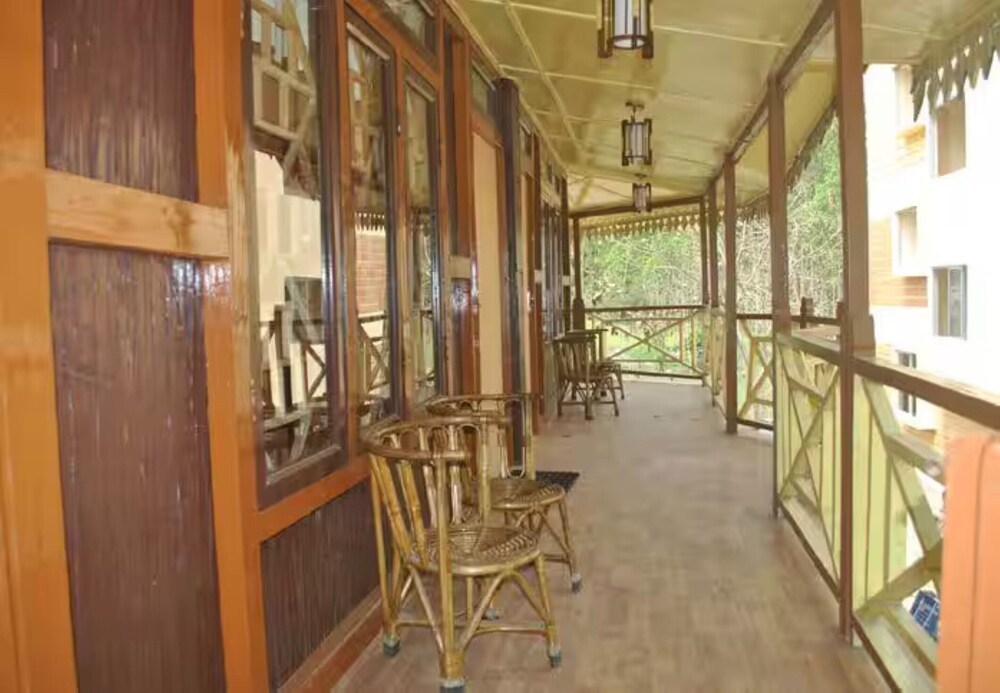





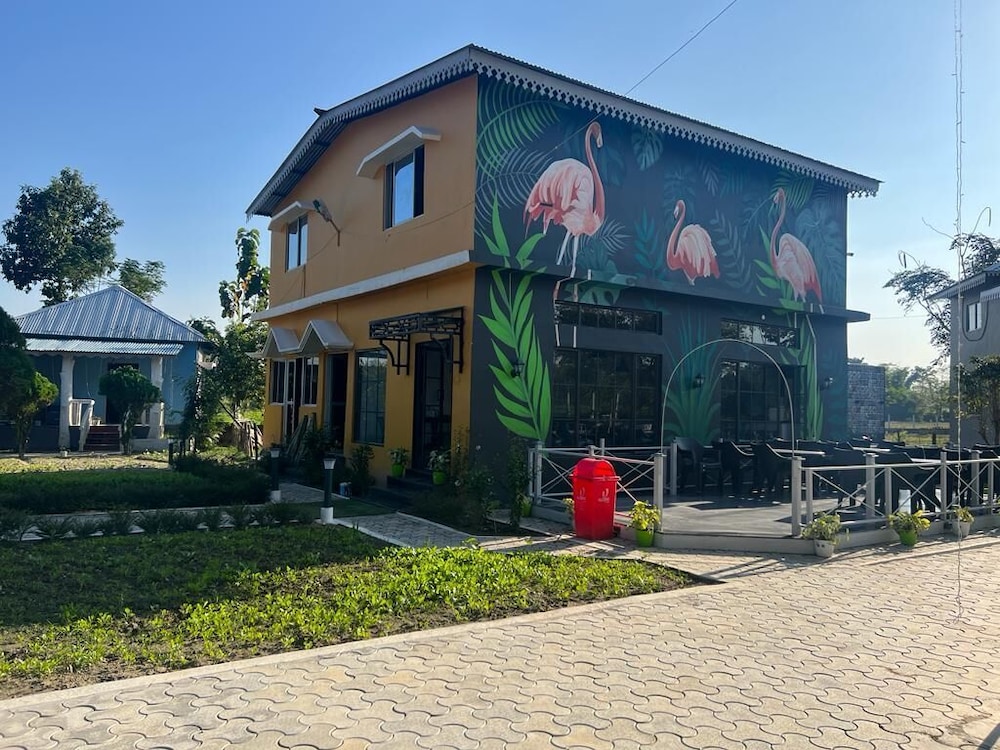





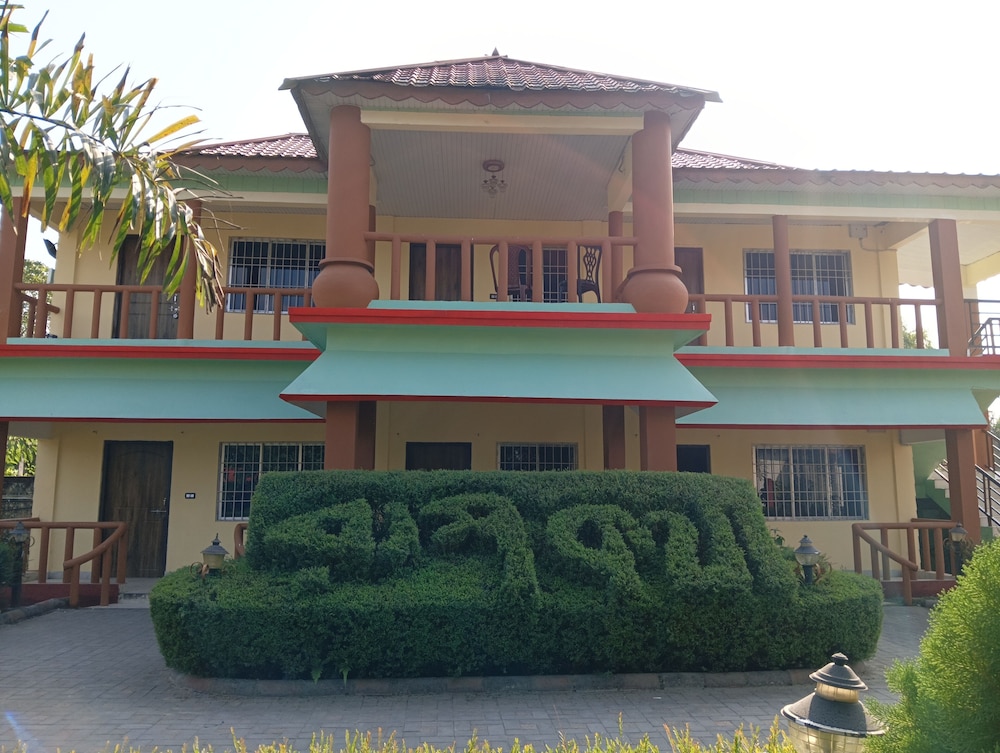




Search live rates in Jalpaiguri
Pick your dates — every Jalpaiguri room with a live price, in one list.
Free cancellation on most rooms · 1 t CO₂ removed per booking, at no extra cost.
About Jalpaiguri
Historically, Jalpaiguri was part of the Koch dynasty and later came under British rule, becoming an important centre for trade and administration in the colonial period. The city has a mix of cultures, with communities speaking Bengali, Rajbanshi, and other languages. Landmarks include the Jalpaiguri Rajbari (royal palace) and the nearby Jaldapara National Park, known for its population of Indian one-horned rhinoceroses. The city is also a hub for education and commerce in the region.
For visitors, Jalpaiguri offers a base to explore the natural beauty of the Dooars, including wildlife sanctuaries and tea gardens. The city itself has a quiet, provincial charm with local markets and parks. Whether you are passing through to the hill stations of Darjeeling and Kalimpong or exploring the forests, Jalpaiguri provides a glimpse into the life of northern West Bengal.
Where to stay in Jalpaiguri
Jalpaiguri Town. The central area of Jalpaiguri, close to the Rajbari and main markets, with a range of hotels and easy access to transport.
Siliguri Road Area. Along the road towards Siliguri, this area has several hotels and is convenient for travellers arriving by train or bus.
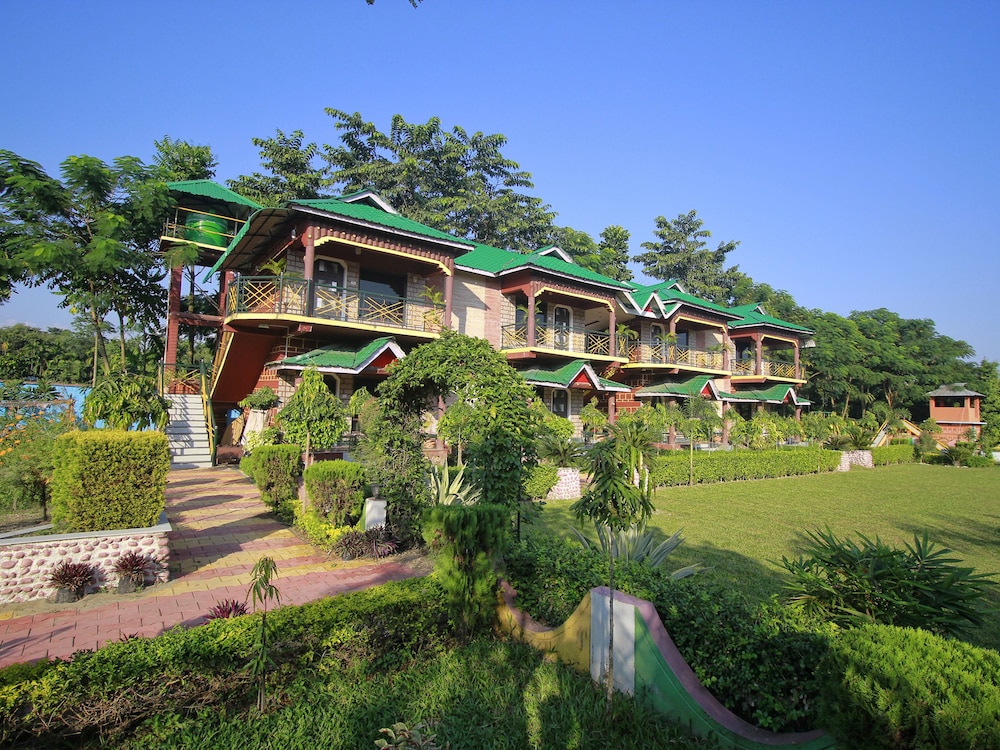
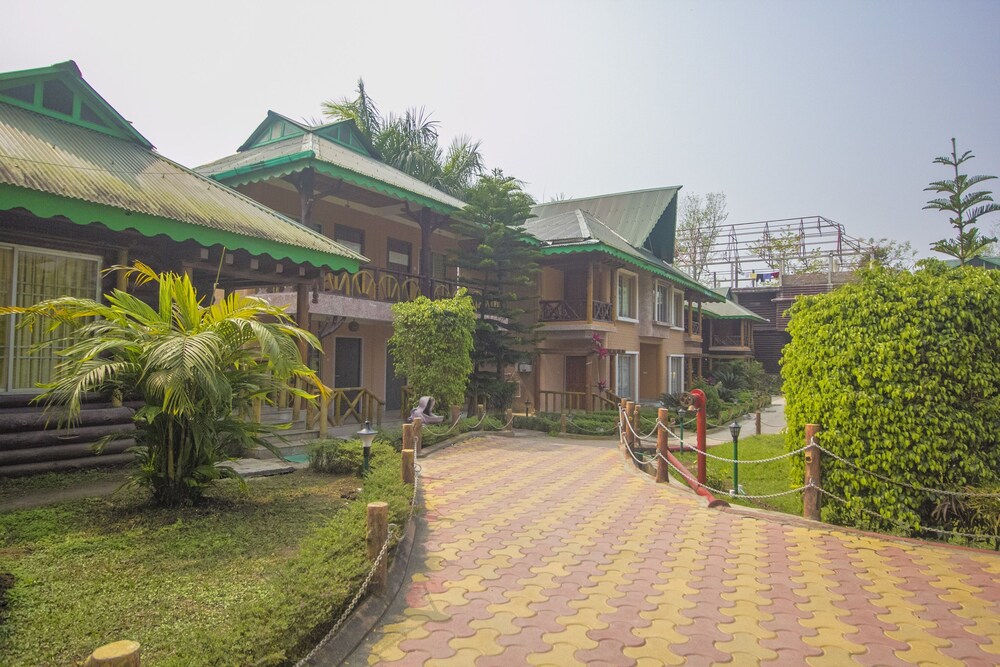
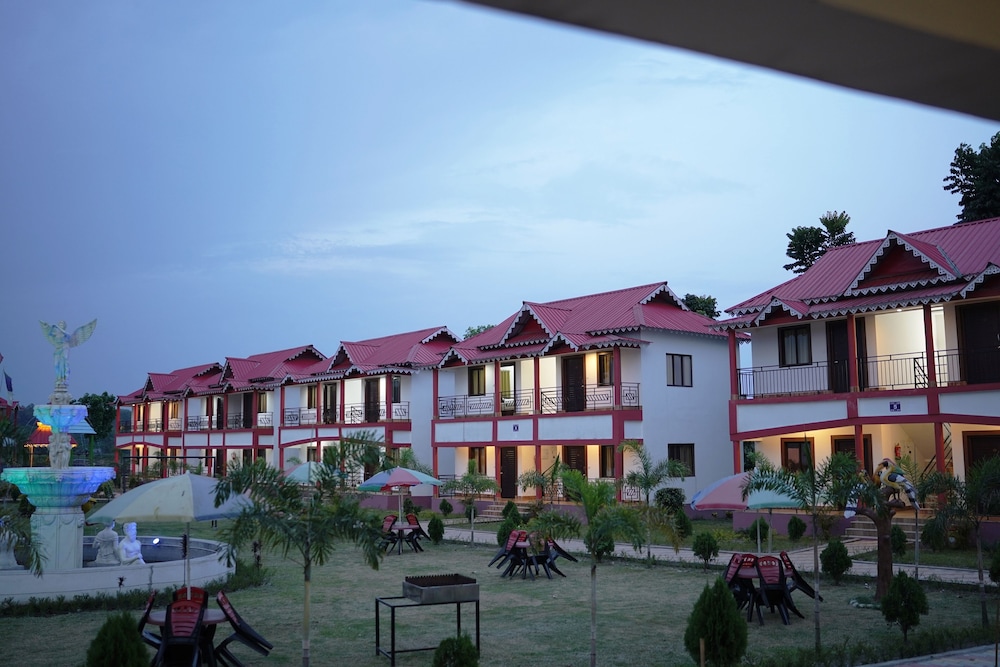
Dooars Region (near Jalpaiguri). The surrounding Dooars region, including areas near Lataguri and Gorumara National Park, offers jungle resorts and lodges for nature enthusiasts.
Getting there and around
Jalpaiguri is well-connected by rail and road. New Jalpaiguri (NJP) railway station, one of the largest in eastern India, is located about 5 km from the city centre and serves as a major stop for trains from New Delhi, Kolkata, and other cities. The city is also accessible by road via National Highway 31, with regular bus services from Siliguri and other parts of West Bengal. The nearest airport is Bagdogra Airport, about 45 km away, which has flights to major Indian cities. Within Jalpaiguri, auto-rickshaws and cycle-rickshaws are common for short trips, and taxis are available for longer journeys to nearby attractions.
When to go
The best time to visit Jalpaiguri is from October to March, when the weather is pleasant and suitable for exploring the region. During these months, temperatures are mild, and rainfall is minimal. The monsoon season, from June to September, brings heavy rains and can disrupt travel, while summers from April to May are hot and humid. Winter is ideal for visiting wildlife parks and tea gardens.
Questions, answered
What is Jalpaiguri known for?
Jalpaiguri is known as the gateway to the Dooars region, with its tea gardens, forests, and wildlife sanctuaries like Jaldapara and Gorumara National Parks. It is also home to the historic Jalpaiguri Rajbari.
How do I reach Jalpaiguri from New Delhi?
You can take a train from New Delhi to New Jalpaiguri (NJP) station, which is about 5 km from Jalpaiguri city. Alternatively, you can fly to Bagdogra Airport and then take a taxi or bus.
What are the main attractions in and around Jalpaiguri?
Key attractions include the Jalpaiguri Rajbari, Teesta River, Jaldapara National Park, Gorumara National Park, and numerous tea gardens in the Dooars.
Is Jalpaiguri a good base for exploring the Dooars?
Yes, Jalpaiguri is a convenient base for exploring the Dooars, with good transport connections to Siliguri and nearby national parks.
What is the local cuisine of Jalpaiguri?
The cuisine is primarily Bengali, with rice, fish, and lentils as staples. Local markets offer fresh produce and sweets typical of West Bengal.