Home/Stays/West Bengal/Alipur Duar
Stays in Alipur Duar
Alipur Duar is a city and district headquarters in the Indian state of West Bengal, located in the eastern Dooars region near the Himalayan foothills. The town lies along the Kaljani River and serves as a gateway to several national parks and wildlife sanctuaries, including Jaldapara, Buxa, and…
Every stay in Alipur Duar
Recent rates first, then the best-reviewed rooms.

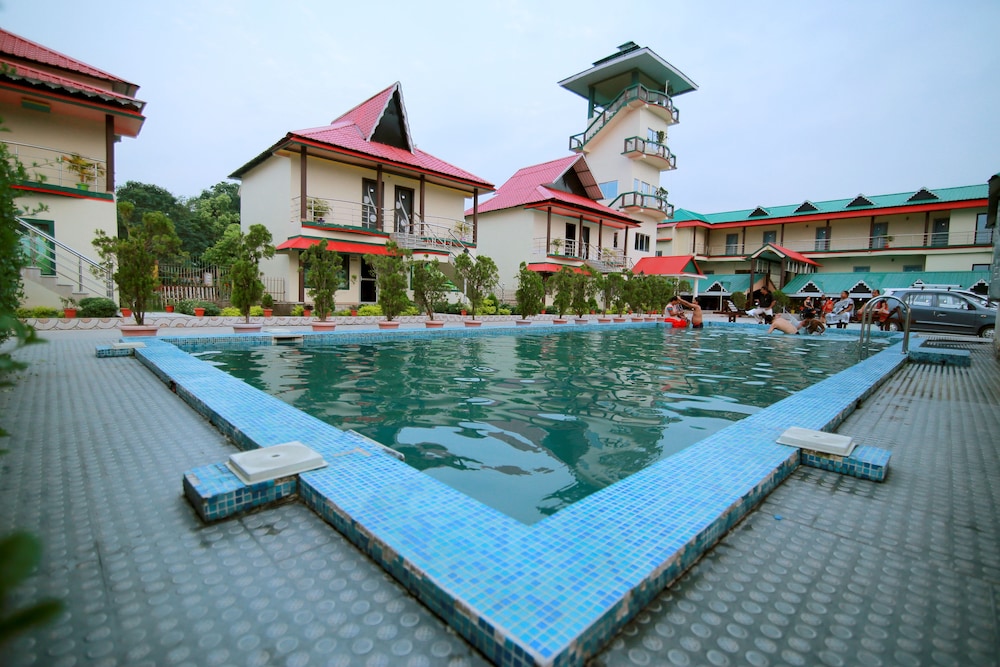
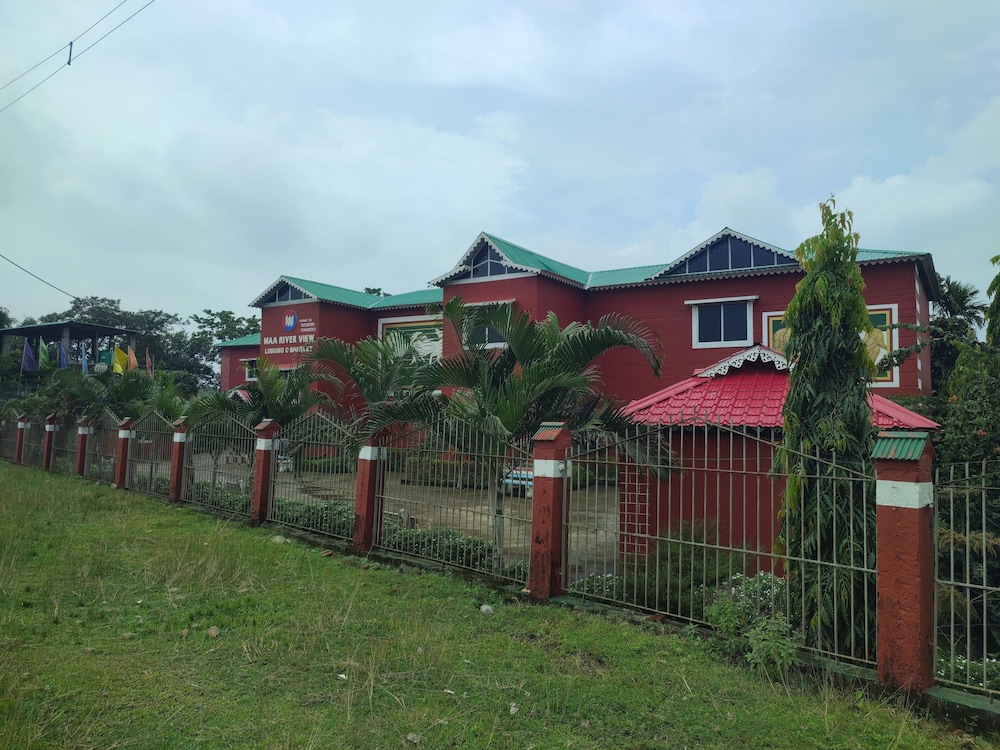



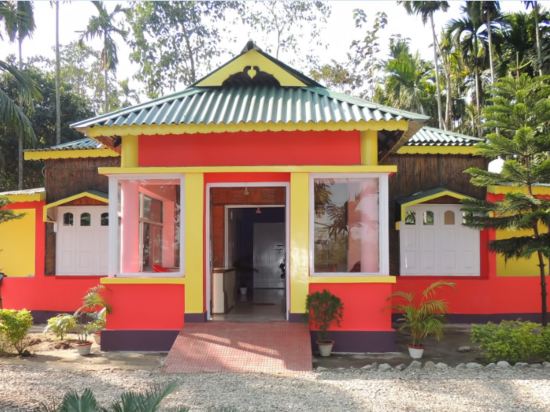

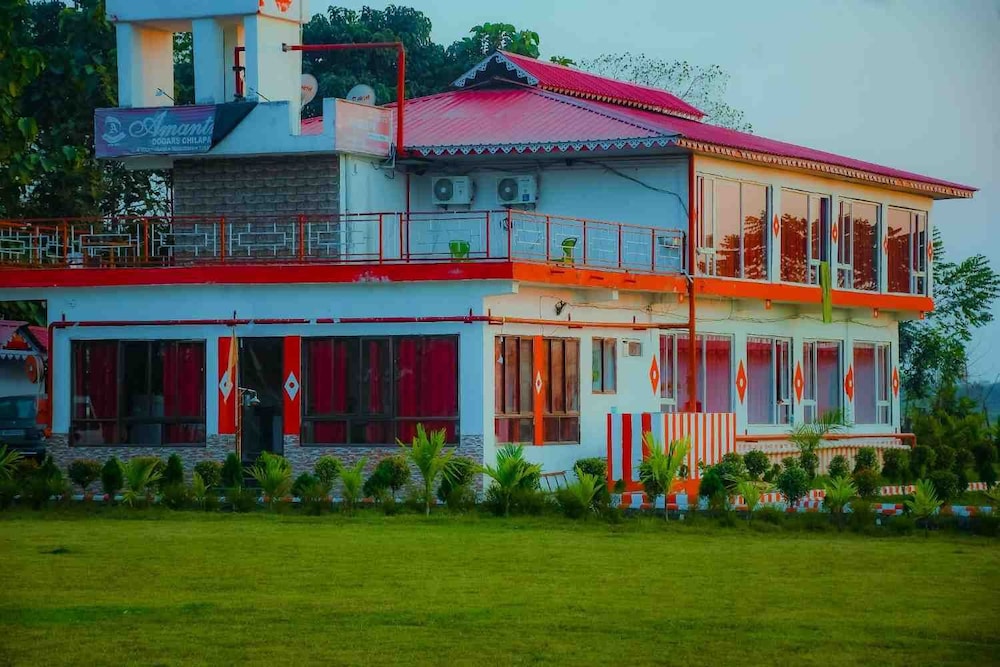








Search live rates in Alipur Duar
Pick your dates — every Alipur Duar room with a live price, in one list.
Free cancellation on most rooms · 1 t CO₂ removed per booking, at no extra cost.
About Alipur Duar
The surrounding area is known for its tea gardens, forests, and rivers. The climate is tropical, with heavy monsoon rains from June to September. Winters are mild and pleasant, making it a good time for wildlife viewing and outdoor activities. The population is diverse, with communities speaking Bengali, Hindi, Nepali, and various indigenous languages. The local economy relies on tea, timber, and tourism. Alipur Duar offers a mix of urban amenities and natural attractions, with several hotels and resorts catering to different budgets. It is not a major metropolitan centre but provides essential services for visitors exploring the Dooars.
Where to stay in Alipur Duar
Alipur Duar Town. The central area around the railway station and bus stand has the largest concentration of hotels, shops, and restaurants, convenient for transport connections.
Jaldapara Area. Near Jaldapara National Park, about 20 kilometres west of Alipur Duar town, several forest lodges and resorts offer access to wildlife safaris.
Buxa and Jayanti. The Buxa Tiger Reserve and the village of Jayanti, to the north, have basic accommodations amid forest and river scenery, popular for nature retreats.
Dooars Tea Estates. Some tea garden bungalows and small resorts in the surrounding Dooars plains provide quiet stays with views of tea bushes and distant hills.
Getting there and around
Alipur Duar is accessible by train via New Alipurduar railway station, which lies on the main line from New Jalpaiguri and Guwahati, with direct trains from Kolkata and New Delhi. By road, it is about 150 kilometres from Siliguri via National Highway 27. The nearest airport is Bagdogra, roughly 160 kilometres away, serving domestic flights. Local transport includes auto-rickshaws, cycle-rickshaws, and shared taxis. Buses connect the town to nearby towns and villages. For reaching forest areas, hiring a taxi or joining a guided tour is common.
When to go
The best time to visit Alipur Duar is from October to March, when the weather is dry and mild. Winter months are ideal for wildlife safaris in Jaldapara and Buxa, as animals are more visible and mosquitoes are fewer. Summer from April to May can be hot and humid, with temperatures often exceeding 35°C. The monsoon from June to September brings heavy rainfall, which may disrupt travel and limit access to forest areas, though the landscape becomes lush.
Questions, answered
What is Alipur Duar known for?
Alipur Duar is known as a gateway to the Dooars region and its national parks, including Jaldapara, Buxa, and Gorumara. It is also a centre for tea production and a stopover for travellers to Bhutan and Assam.
How do I get to Alipur Duar from New Delhi?
You can take a direct train from New Delhi to New Alipurduar railway station, which takes around 24 hours. Alternatively, fly to Bagdogra and then travel by road, about 160 kilometres.
What are the main attractions near Alipur Duar?
Key attractions include Jaldapara National Park, Buxa Tiger Reserve, Jayanti Mahakal Cave, and the Bhutan border town of Phuentsholing. Tea gardens and the Kaljani River are also notable.
Is Alipur Duar a good base for wildlife safaris?
Yes, Alipur Duar is a convenient base for safaris in Jaldapara and Buxa, with many hotels and resorts arranging guided tours. The best season for sightings is winter.
What is the local cuisine of Alipur Duar?
Local cuisine features Bengali and Assamese influences, with rice, fish, lentils, and vegetables. Tribal communities also have traditional dishes, and tea from local gardens is widely available.