Stays in Mangan
Mangan is the administrative headquarters of North Sikkim district, set in the valley of the Teesta River at an altitude of around 950 metres. It serves as the main gateway to the alpine valleys of Lachung and Lachen, which lead to Yumthang, Gurudongmar Lake and Zero Point. The town itself is a…
Every stay in Mangan
Recent rates first, then the best-reviewed rooms.
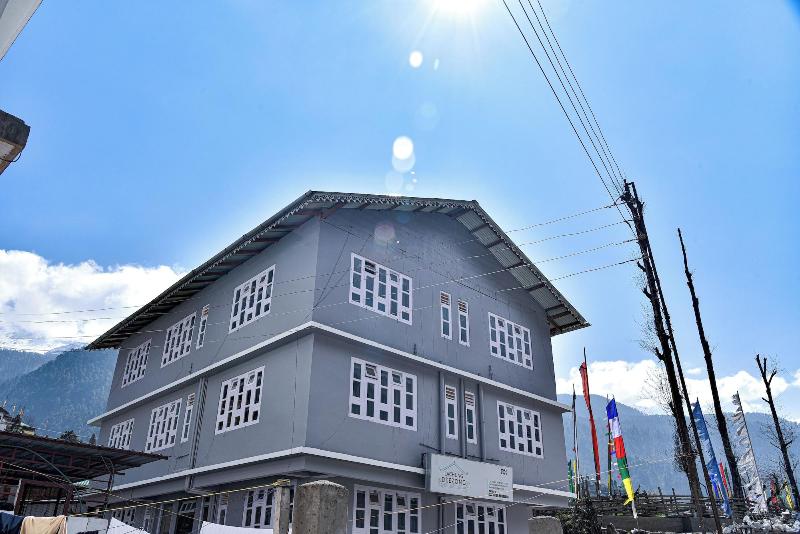

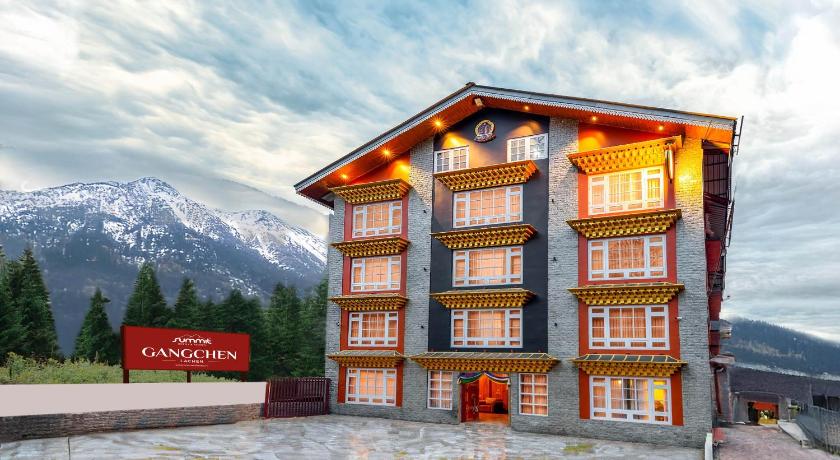
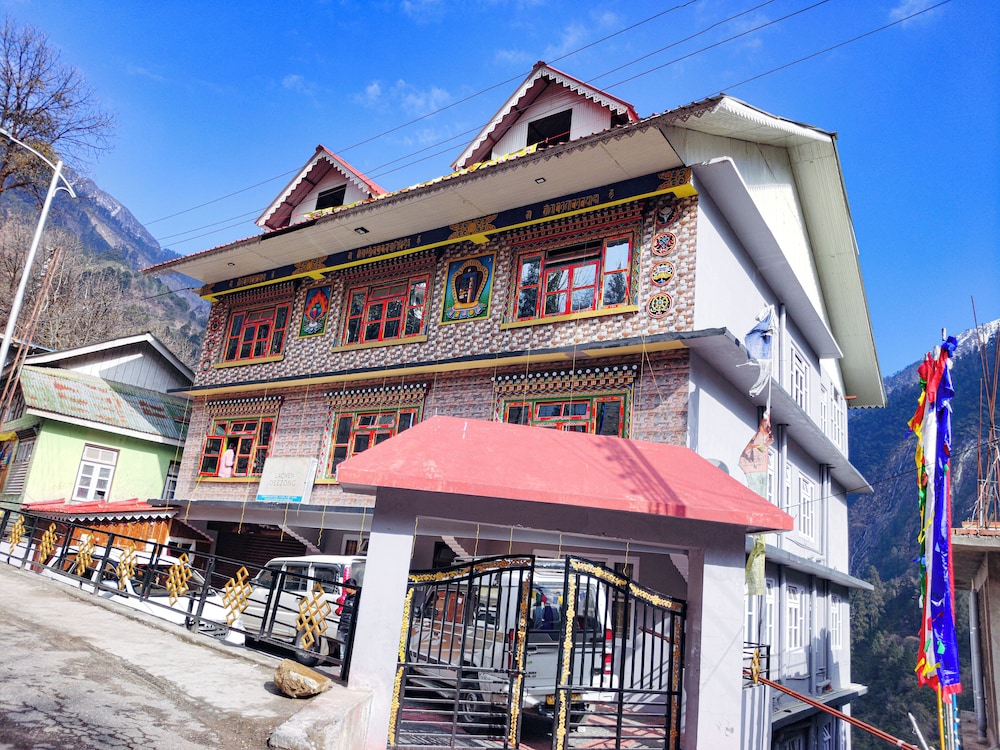
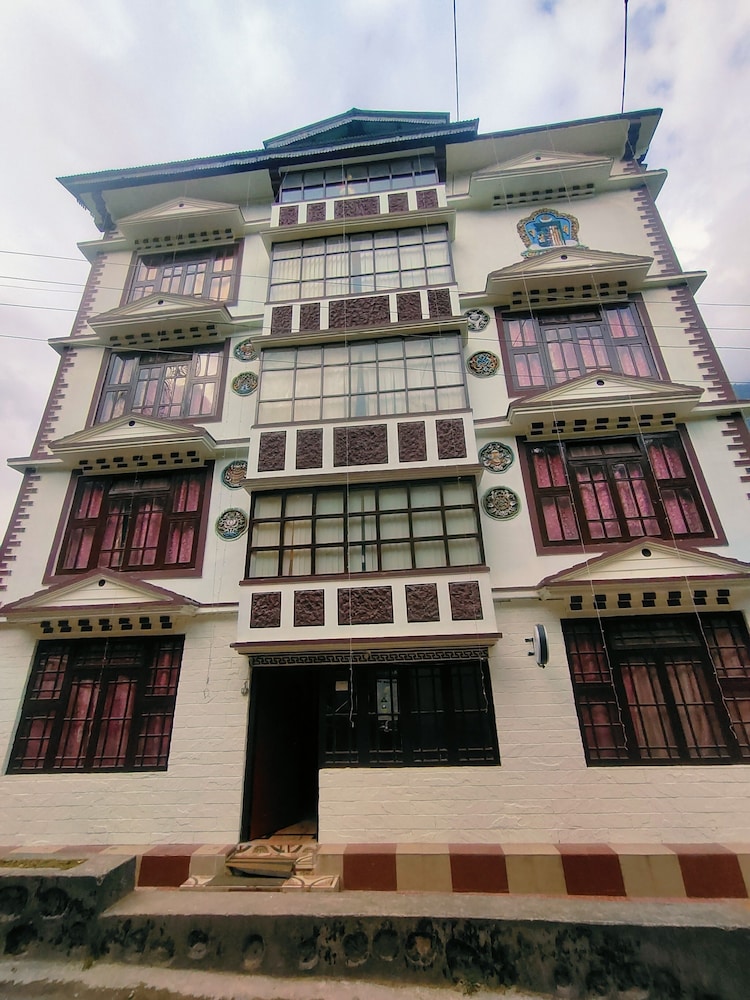
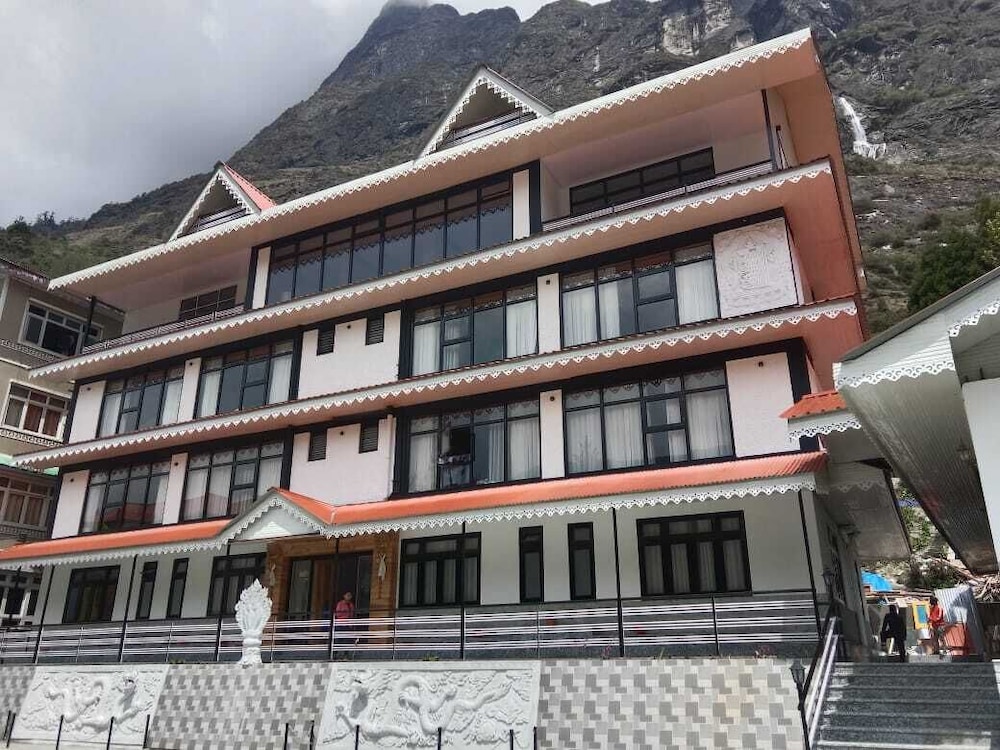
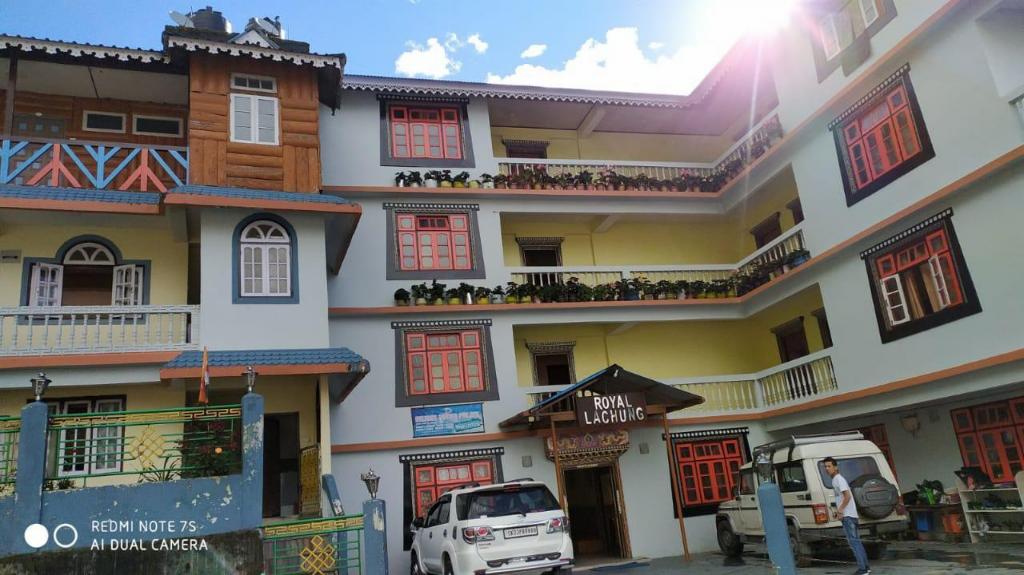
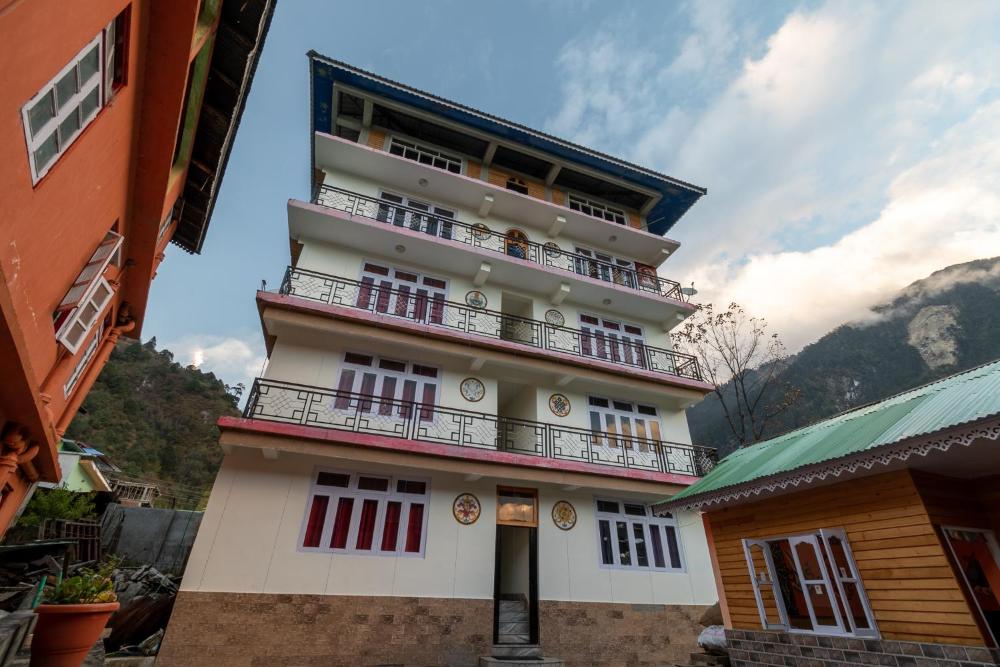
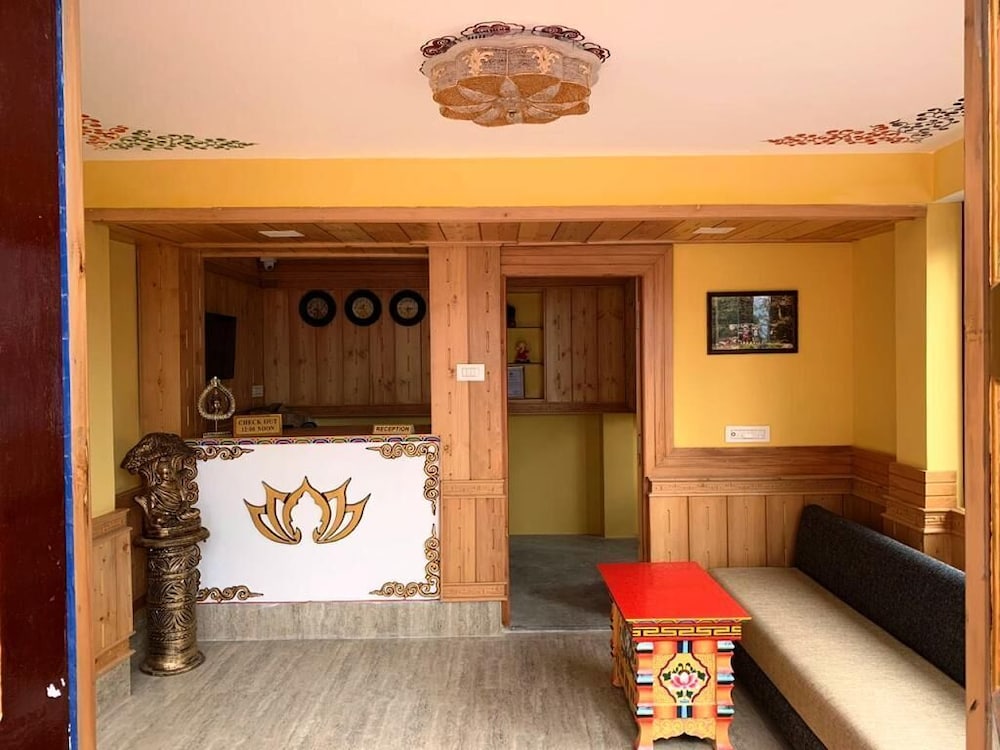
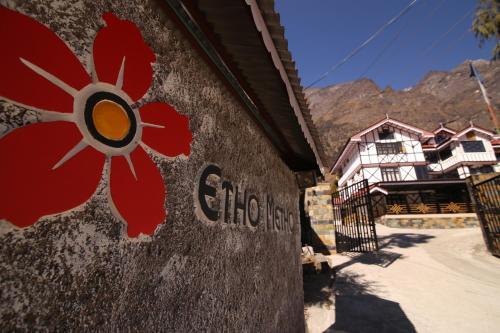
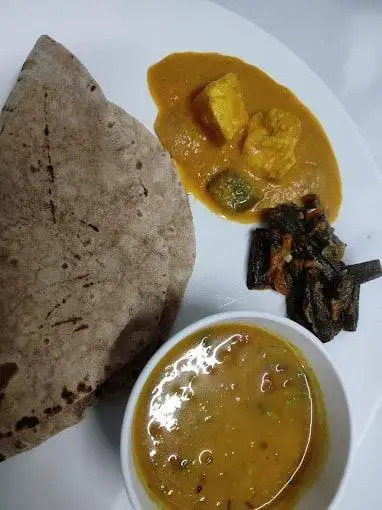

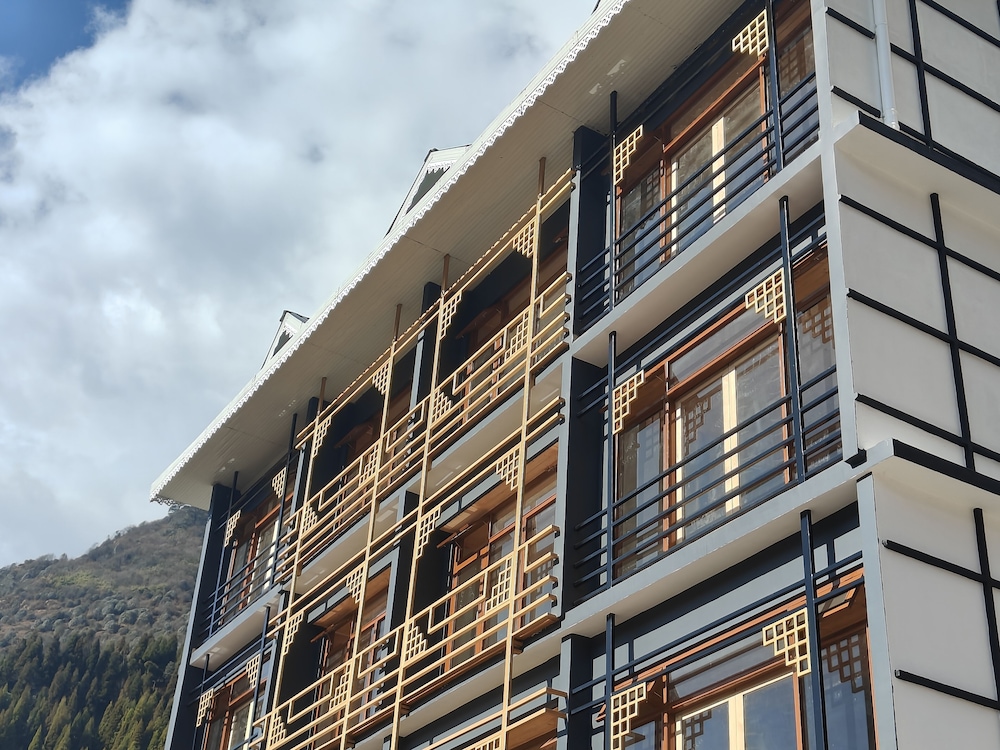
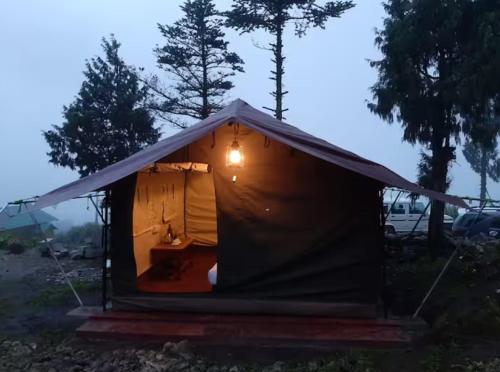

Search live rates in Mangan
Pick your dates — every Mangan room with a live price, in one list.
Free cancellation on most rooms · 1 t CO₂ removed per booking, at no extra cost.
About Mangan
The population is predominantly Lepcha, Bhutia and Nepali, and the area is known for its cardamom and orange cultivation. Mangan is also home to a number of monasteries and temples, including the Mangan Monastery and the Pathing Monastery, which reflect the region's Buddhist heritage. The climate is temperate, with warm summers and cool winters, and the monsoon brings heavy rainfall.
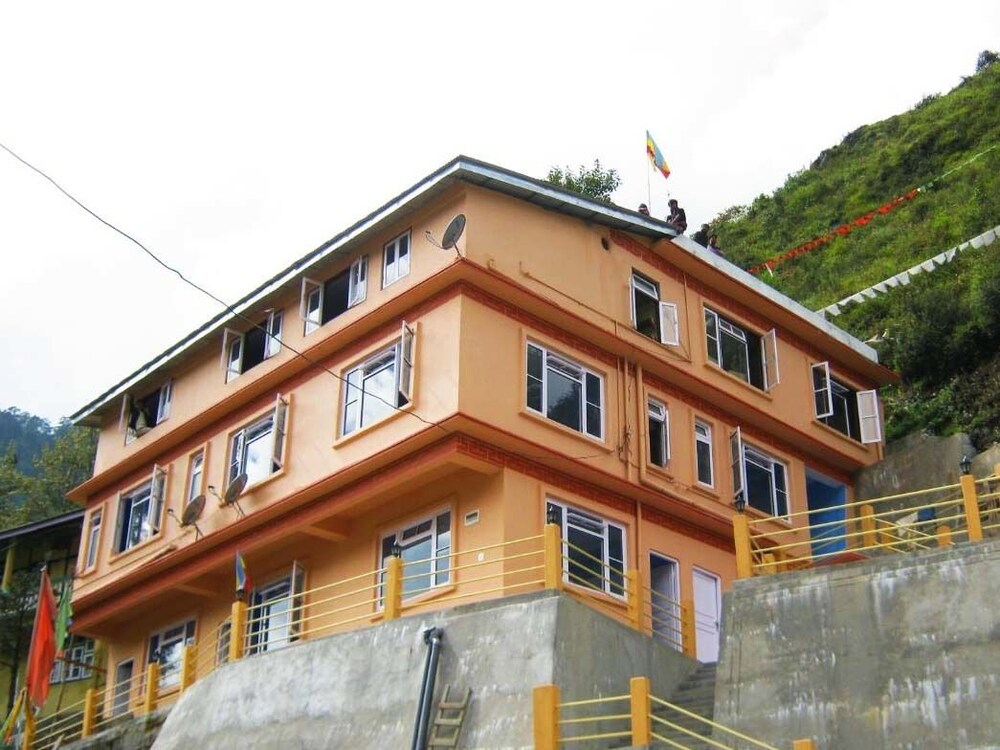
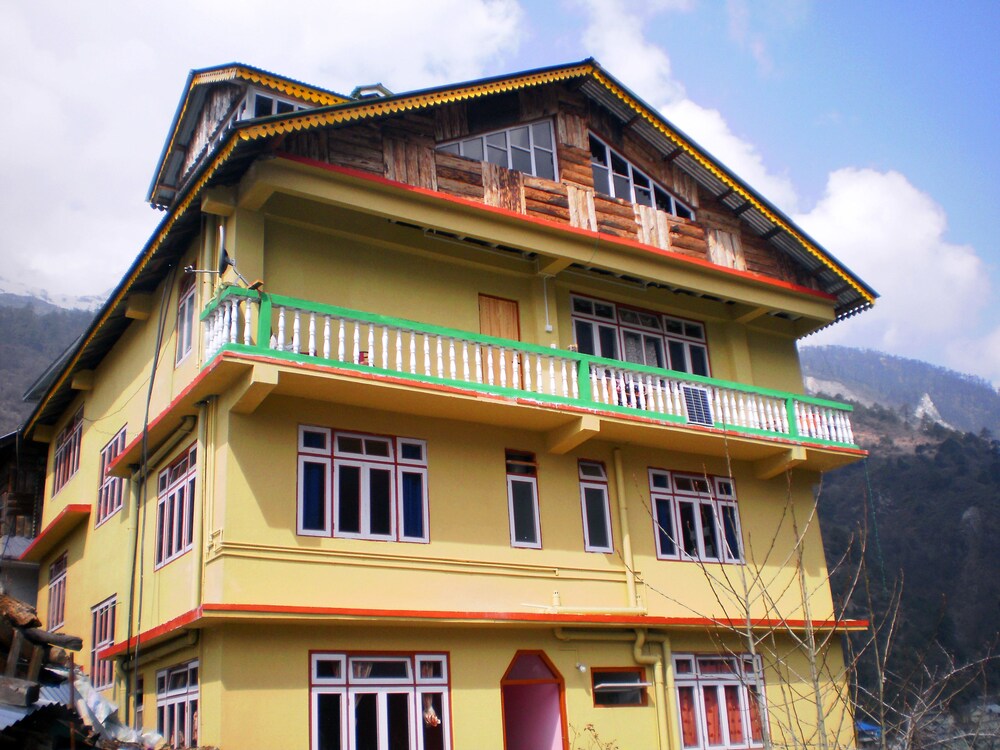
Because of its location, Mangan is a practical base for travellers heading further north. Accommodation is limited to a handful of hotels and guesthouses, mostly simple and geared towards transit visitors. The town has a hospital, a few shops and restaurants, and a checkpoint for permits required for travel beyond Mangan.
Where to stay in Mangan
Mangan Bazaar. The central area around the main market, convenient for shops, eateries and transport links.
Lower Mangan. A quieter area along the Teesta River, with some guesthouses offering river views.
Upper Mangan. Closer to the monastery and government offices, with a few hotels and homestays.
Lachung and Lachen. These villages, further north, have a concentration of hotels and are popular with tourists exploring the high valleys.
Getting there and around
Mangan is about 65 kilometres from Gangtok, the capital of Sikkim, and the drive takes around three hours by shared jeep or taxi along the North Sikkim Highway. The nearest airport is Pakyong Airport, about 100 kilometres away, and the nearest railway station is New Jalpaiguri in West Bengal, roughly 180 kilometres away. Buses and jeeps run regularly from Gangtok to Mangan. To travel beyond Mangan to Lachung, Lachen or Gurudongmar Lake, Indian nationals need a permit, and foreign nationals require a Protected Area Permit; these are arranged in Gangtok or at the district headquarters.
When to go
The best time to visit Mangan is from March to June, when the weather is pleasant and the rhododendrons bloom in the higher valleys. October to November also offers clear skies and good views of the mountains. The monsoon months from July to September bring heavy rain and landslides, while winter from December to February can be cold, with snow at higher elevations.
Questions, answered
What is Mangan known for?
Mangan is the headquarters of North Sikkim and the main gateway to Lachung, Lachen, Yumthang Valley and Gurudongmar Lake.
Do I need a permit to visit Mangan?
Indian nationals do not need a permit for Mangan itself, but permits are required for areas beyond Mangan, such as Lachung, Lachen and Gurudongmar Lake. Foreign nationals need a Protected Area Permit for North Sikkim.
How do I get to Mangan from Gangtok?
Mangan is about 65 kilometres from Gangtok and can be reached by shared jeep or taxi in around three hours. Buses also operate on this route.
What is the altitude of Mangan?
Mangan is at an altitude of approximately 950 metres (3,100 feet).
Are there ATMs in Mangan?
There are a few ATMs in Mangan, but they can be unreliable, so it is advisable to carry enough cash from Gangtok.
What is the best time to visit Mangan?
The best time is from March to June and October to November, when the weather is clear and pleasant. Avoid the monsoon months due to landslides.