The lay of the land: where to eat and when
Paharganj's food map follows the railway. The main bazaar, running from the New Delhi Railway Station's Ajmeri Gate exit to Ramakrishna Ashram Marg, is the spine. Morning belongs to chole bhature and kulcha stalls near the station, often operating from 7 a.m. to 11 a.m.; a plate typically costs ₹60–₹120. By afternoon, chaat carts cluster around the Shri Ramakrishna Ashram Marg metro station (Blue Line), selling golgappe and papdi chaat from about ₹40. Evening brings tandoori and kebab stalls in the side lanes off Main Bazaar, with seekh kebabs and rumali roti from ₹100. The area is busiest from October to March, when daytime temperatures sit near 20–25°C; May and June regularly exceed 40°C, and monsoon (July–September) can flood the lanes.
For a first-timer, the safest bet is a stall with a visible crowd of locals and a high turnover. Look for vendors cooking to order—tandoor ovens, frying pans, or griddles—rather than food sitting in trays. Avoid anything pre-plated or uncovered. A good rule: if the stall has a queue at 8 a.m. for breakfast, it is likely fresh. The lane behind the station, known as Kucha Mahajani, has several long-running paratha stalls; a stuffed paratha with curd typically runs ₹80–₹150. Carry small notes; change is often scarce.
What to eat: the short list
Start with chole bhature—fried bread with chickpea curry—at a station-side stall. Then try a plate of momos from a Tibetan-run stall near the main bazaar; steamed or fried, they cost ₹60–₹100. For something more substantial, look for nihari or paya soup in the lanes off Ramakrishna Ashram Marg, served from early morning until about 10 a.m.; a bowl with naan is usually ₹120–₹180. In the evening, seekh kebabs from a tandoor stall, wrapped in rumali roti, are a solid choice at ₹100–₹150. Skip the generic 'continental' menus on Main Bazaar's tourist strip; they are rarely fresh and cost more than local food.
If you want a sit-down break, the area has a few basic restaurants, but the street food is the point. A practical tip: eat where you see families, not just backpackers. For dessert, look for jalebi stalls frying fresh in the evening, near the corner of Main Bazaar and Ramakrishna Ashram Marg; a small plate is ₹40–₹60. Avoid cut fruit from carts unless it is peeled in front of you. Bottled water is widely available; stick to sealed bottles.
How to choose safely: practical filters
Safety starts with observation. Check that the vendor uses gloves or tongs, that raw and cooked food are separated, and that oil is not dark and smoking. A clean stall with a steady stream of customers is a better sign than an empty one with a spotless counter. Avoid dairy-based items like rabri or lassi from stalls without refrigeration; if it is not cold, skip it. For meat, ensure it is cooked through and hot off the grill. Vegetarian food is generally lower risk. Carry hand sanitiser and use it before eating. If you have a sensitive stomach, introduce street food gradually over the first two days.
Timing matters. Eat during peak hours—breakfast 7–10 a.m., lunch 12–2 p.m., dinner 7–10 p.m.—when turnover is high. Avoid the late-afternoon lull when food may have been sitting. The area around the New Delhi Railway Station is busiest in the morning and evening; the side lanes are quieter at midday. If you are staying in Paharganj, choose a hotel away from the main bazaar's noise—properties on the quieter lanes off Ramakrishna Ashram Marg or near the Ajmeri Gate side offer easier access to breakfast stalls. Book a room with a window facing away from the street if you are a light sleeper.
Where to stay and what to skip
For proximity to the food, book a hotel within a 10-minute walk of New Delhi Railway Station. The main bazaar has cheap rooms but can be noisy; mid-range options on Ramakrishna Ashram Marg are a better balance. Avoid hotels that are only accessible through dark, narrow alleys at night. The area is well-connected: the Blue Line metro at Ramakrishna Ashram Marg gets you to Connaught Place in two stops, and the Airport Express line from New Delhi station reaches IGI Airport in about 20 minutes. If you are arriving by train, the Ajmeri Gate exit is closest to the budget hotels.
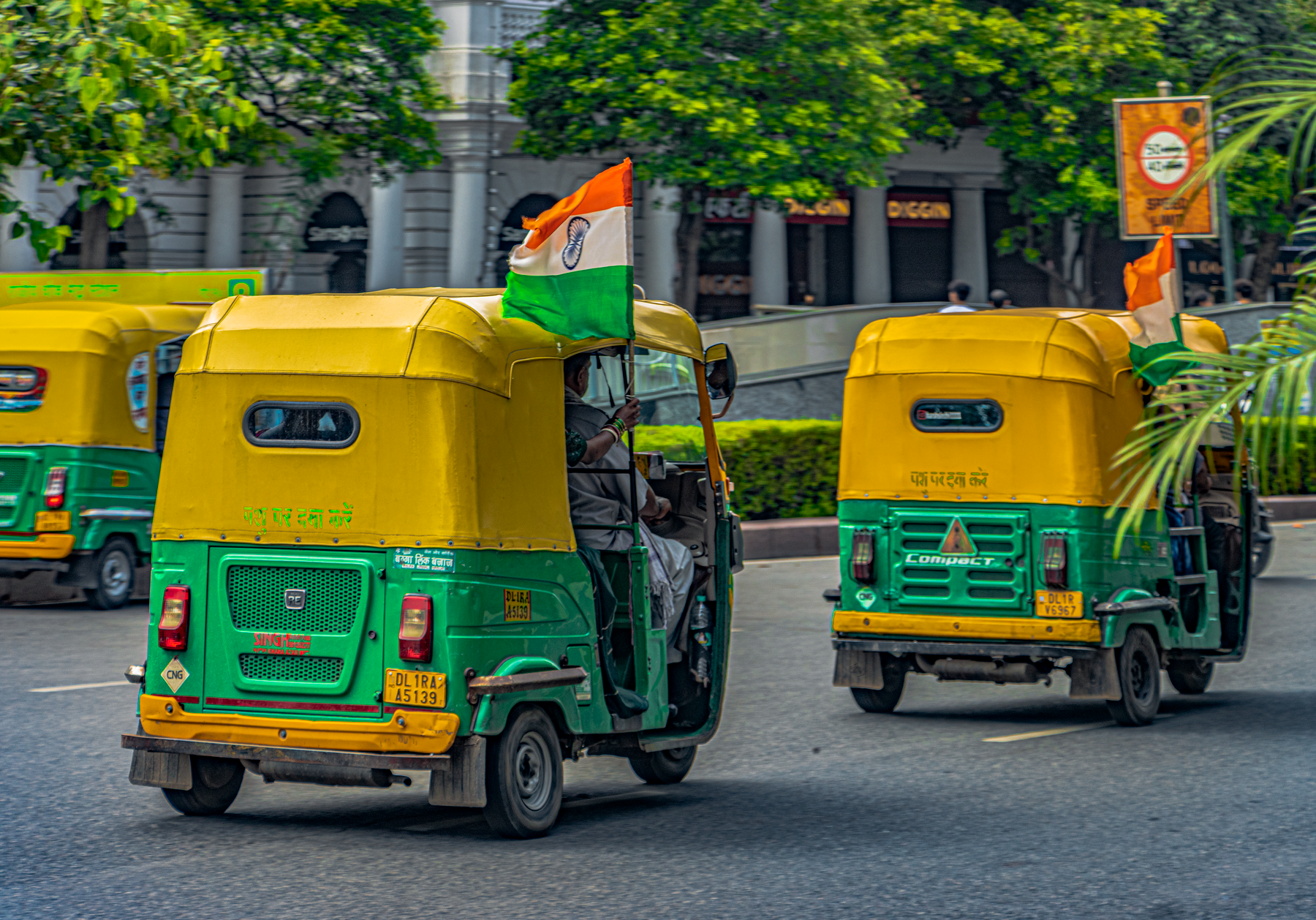
Skip the street food at the station itself—the platforms are not the place for a leisurely meal. Also skip the tourist-oriented restaurants on Main Bazaar's southern end; they are overpriced and not representative. Instead, walk five minutes into the lanes for better value. For a day trip, the Rajdhani restaurant near the station serves reliable North Indian thalis for ₹200–₹300, but it is not street food. If you are in Delhi during Ramzan (dates vary), the nearby Jama Masjid area, about 3 km away, has excellent evening food stalls; a short auto-rickshaw ride costs ₹80–₹120.
Questions, answered
Is Paharganj street food safe for travellers?
Yes, if you choose busy stalls with high turnover and food cooked to order. Avoid pre-plated items and dairy without refrigeration. Introduce street food gradually, carry hand sanitiser, and drink only sealed bottled water. Vegetarian options are generally lower risk.
What are the must-try dishes in Paharganj?
Chole bhature for breakfast, momos from Tibetan stalls, seekh kebabs in the evening, and fresh jalebi for dessert. Also look for parathas in Kucha Mahajani and nihari in the early morning lanes off Ramakrishna Ashram Marg.
When is the best time to visit Paharganj for street food?
October to March offers pleasant daytime temperatures (20–25°C). Avoid May and June, when temperatures exceed 40°C, and the monsoon (July–September) when lanes can flood. For daily timing, eat during peak hours—breakfast 7–10 a.m., dinner 7–10 p.m.
Doing good is the business: every booking through Stay New Delhi funds one verified tonne of carbon removal — same room, same price, no markup.
Start Your Search