Starting at Saket Metro Station
Saket Metro Station sits on the Yellow Line (Line 2) of the Delhi Metro, with entrances on Press Enclave Road and a skywalk connecting to Select Citywalk mall. If you are staying in Saket, hotels cluster around Press Enclave Road and the District Centre; most are within a 10-minute walk of the station. The station has automated ticket machines and a customer care desk, but a Day Pass (₹200) or a stored-value Metro card is more convenient if you plan multiple rides. Trains run every 5–7 minutes off-peak, and the platform for Qutub Minar-bound trains is clearly marked.
Board a train heading toward Samaypur Badli (northbound). The first stop is Malviya Nagar, then Hauz Khas, Green Park, AIIMS, and INA. The ride to Qutub Minar station takes about 15 minutes (six stops). Trains are usually less crowded between 10 a.m. and 5 p.m.; avoid the 8–10 a.m. and 5–7 p.m. rush if you have luggage. Keep your ticket handy—random checks are common, and the fine for travelling without a valid ticket is ₹200 plus the fare. The coach reserved for women is the second from the front.
Riding the Yellow Line to Qutub Minar
The Yellow Line is air-conditioned and Announcements are in English and Hindi. As you approach Qutub Minar station, you'll see the minaret's silhouette on your left. The station itself is elevated, with four exits; use Exit 1 (toward Anuvrat Marg) for the auto stand. The journey from Saket costs ₹20–₹30 depending on the smart card discount; a single-journey token is ₹30. The station has lifts and escalators, but the escalator at Exit 1 is often switched off during off-peak hours, so be prepared to use stairs.
If you are coming from a hotel in Saket, note that the station gets crowded on weekends with tourists heading to Qutub Minar and Mehrauli. Consider travelling before 11 a.m. to avoid the rush. Also, check the Delhi Metro app or website for any planned maintenance on the Yellow Line—weekend closures are occasionally announced. The train from Saket to Qutub Minar is direct, so no interchange is needed.
Connecting by Auto from Qutub Minar Station
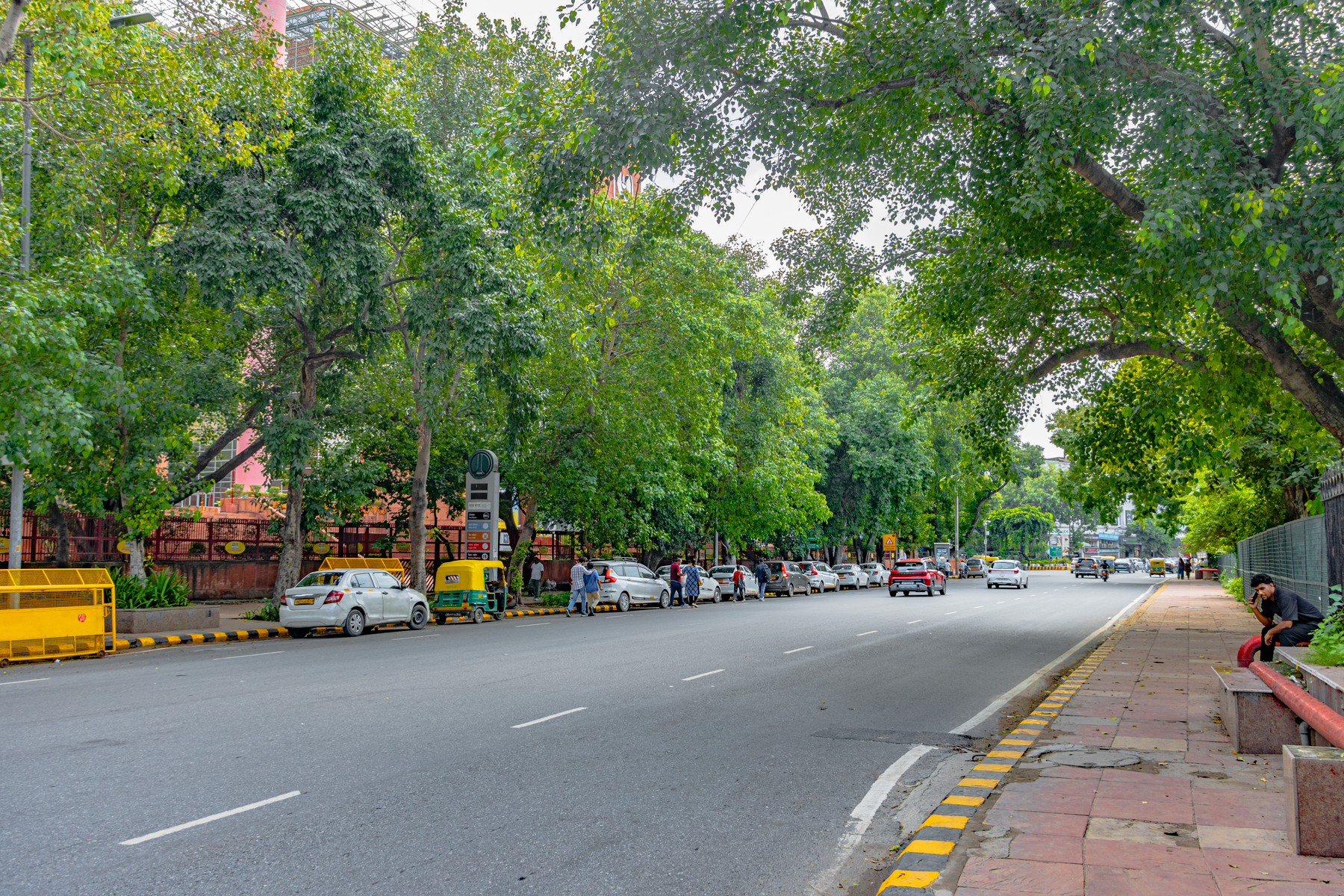
Outside Exit 1, you'll find a line of auto-rickshaws. The ride to the Qutub Minar complex entrance is about 3 km and takes 8–12 minutes, depending on traffic on Anuvrat Marg and Mehrauli-Badarpur Road. Expect to pay ₹50–₹80; insist on the meter or agree on the fare before boarding. Shared autos (where you share with other passengers) charge ₹20–₹30 per person but may not go directly to the gate. Alternatively, you can walk (35–40 minutes) via Anuvrat Marg and Mehrauli-Badarpur Road, but the route lacks shade and footpaths are uneven.
The auto will drop you at the main gate on Mehrauli-Badarpur Road, near the Qutub Minar ticket counter. From there, it's a 5-minute walk to the monument entrance. If you prefer to avoid the auto hassle, app-based services like Uber and Ola operate in the area, with fares around ₹100–₹150 for the same distance. However, autos are more frequent and cheaper. For a smoother experience, you can also book a guided tour that includes hotel pickup, but that costs significantly more.
Tips for a Smooth Journey
The best time to visit Qutub Minar is between October and March, when the weather is pleasant (15–25°C). Avoid May and June, when temperatures can exceed 45°C. The monument is open from sunrise to sunset; entry costs ₹35 for Indians and ₹550 for foreigners (as of 2024). Tickets can be bought online or at the counter. Carry water and wear comfortable shoes, as the complex involves walking on uneven stone paths.
If you are staying in Saket, book a hotel near the metro station to save time. Hotels like the Sheraton New Delhi and the Holiday Inn are within walking distance, but there are also budget options along Press Enclave Road. For a hassle-free trip, start your day early, carry a metro card, and keep small change for the auto. After visiting Qutub Minar, you can explore nearby Mehrauli Archaeological Park or grab a meal at the Garden of Five Senses, both a short auto ride away.
Hotels in Delhi
Questions, answered
How far is Qutub Minar from Saket Metro Station?
The distance is about 6 km. The metro takes 15 minutes to Qutub Minar station, then a 3 km auto ride (8–12 minutes) to the monument.
What is the metro fare from Saket to Qutub Minar?
A single-journey token costs ₹30. With a smart card, the fare is ₹20–₹30 due to a 10% discount. Day passes are available for unlimited rides.
How much does an auto cost from Qutub Minar station to the monument?
Expect ₹50–₹80 for a private auto. Shared autos charge ₹20–₹30 per person. Always agree on the fare before boarding to avoid overcharging.
Is the metro route from Saket to Qutub Minar direct?
Yes, the Yellow Line runs directly from Saket to Qutub Minar without any interchange. Trains are frequent, typically every 5–7 minutes.
What are the metro timings for the Yellow Line?
The first train from Saket is around 5:30 a.m. and the last around 11:30 p.m. Trains run every 5–10 minutes throughout the day.
Are there hotels near Saket Metro Station?
Yes, several hotels are within walking distance, including the Sheraton New Delhi and Holiday Inn. Budget options are available along Press Enclave Road.
What is the best time to visit Qutub Minar?
October to March offers pleasant weather. Avoid May and June due to extreme heat. Early morning visits are cooler and less crowded.
Can I walk from Qutub Minar station to the monument?
It is possible but not recommended: the 3 km walk takes 35–40 minutes with uneven footpaths and little shade. An auto is quicker and safer.
Doing good is the business: every booking through Stay New Delhi funds one verified tonne of carbon removal — same room, same price, no markup.
Start Your Search