Saket to Gurugram by Metro: A Cross-City Route Explained
The Yellow Line links south Delhi to the Millenium City in about 45 minutes, and where you stay decides whether that ride is a formality or the main event of your day.
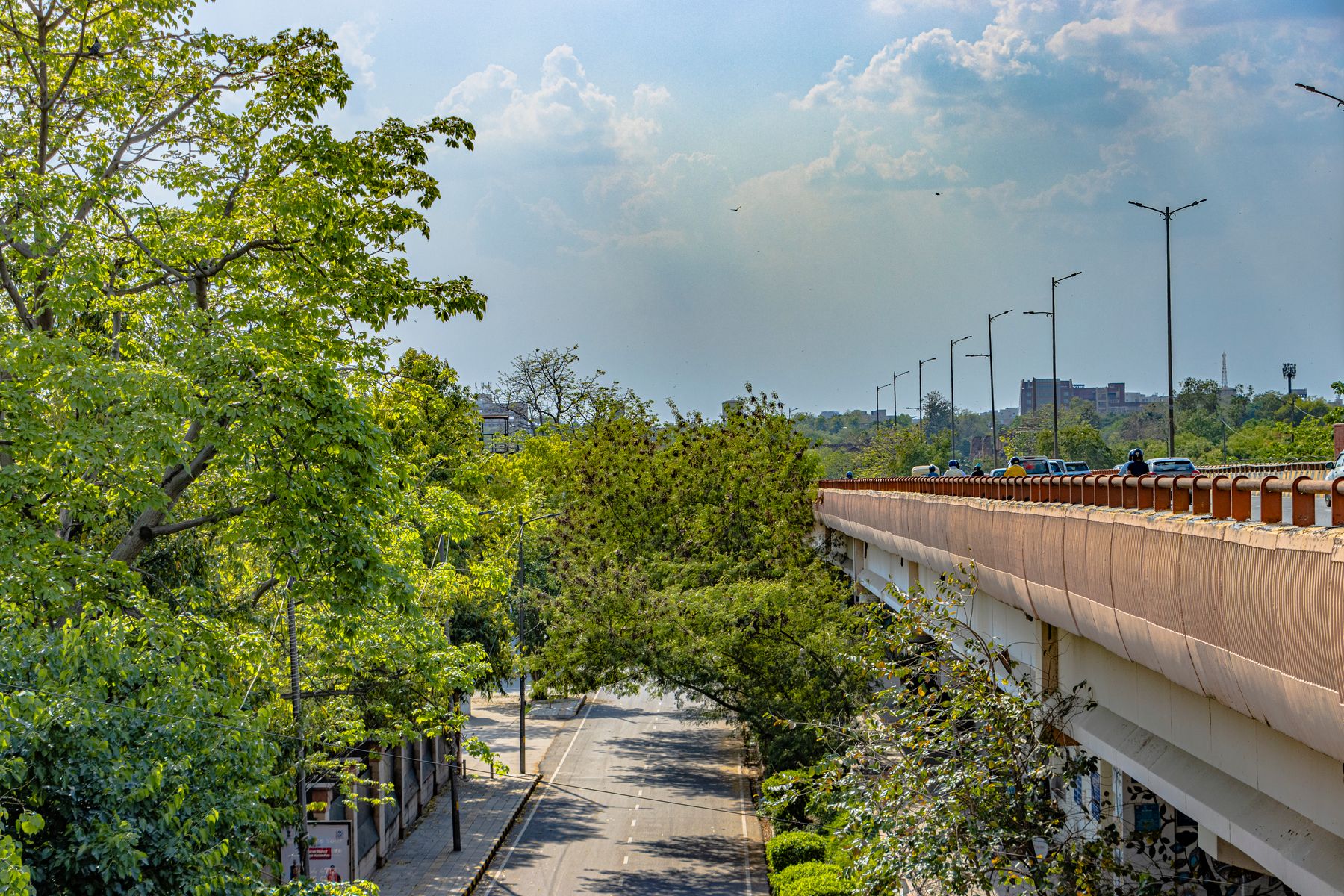
The Route Itself: Yellow Line, Start to Finish
Saket station sits on the Yellow Line, a short auto-rickshaw hop from Select Citywalk, DLF Place and the malls clustered around Press Enclave Road. Board toward Samaypur Badra and stay on through Hauz Khas, IIT Delhi, Green Park and AIIMS; the interchange at Hauz Khas connects to the Magenta Line if you are coming from Terminal 1. Past Safdarjung and Jor Bagh the line dips underground at New Delhi station, then runs through Rajiv Chowk, Patel Chowk, Central Secretariat and Udyog Bhawan before surfacing near Race Course Road.
From there the stops come quickly: Jor Bagh, then Dilli Haat-INA, AIIMS and Green Park again if you are heading the other way. Continuing south, the Yellow Line passes Malviya Nagar, Saket, Qutab Minar, Chhatarpur, Sultanpur, Ghitorni, Arjan Garh, Guru Dronacharya, Sikanderpur, MG Road and finally HUDA City Centre in Gurugram. End to end, Saket to HUDA City Centre is roughly 45 to 55 minutes depending on the hour. Trains run from about 5:30 in the morning until around 11 at night; peak crowding between 8 and 10 a.m. and 6 and 8 p.m. is genuine, so plan around it if you are carrying luggage.
Fares, Cards and the Practical Details
Fares are distance-based and paid with a smart card or a single-journey token. A tourist card loaded at any station counter covers the whole network for a day and is worth it if you plan more than two or three rides; the queue at Rajiv Chowk can be long, so top up at Saket or another quieter station. Security screening is mandatory at every entrance, with bags through an X-ray and a body scan — allow five extra minutes at major interchanges. Keep your token or card until you exit; the gates at HUDA City Centre will not open otherwise.
Inside the train, the air conditioning is reliable and the announcements are in Hindi and English. Women-only carriages run as the second coach from the front on most services. If you are travelling with a suitcase, the front and rear coaches tend to be less full. There are lifts and escalators at Saket and HUDA City Centre, but not every exit at Sikanderpur has one, so check which gate you want before you climb the stairs. Toilets exist at most stations, though they are basic.
Choosing Where to Sleep: Saket or Gurugram
Saket suits a first visit. Hotels around Press Enclave Road, Malviya Nagar and the Sheikh Sarai side put you within walking distance of the malls, the Garden of Five Senses and Qutab Minar, with Hauz Khas Village a short cab ride away. Mid-range rooms in this belt are plentiful, and the metro makes the rest of Delhi accessible without a car. If your itinerary leans on the Qutab Minar, Humayun's Tomb, Lotus Temple and Lodi Garden, base yourself here and treat Gurugram as a day trip rather than a hotel move.
Gurugram suits a different trip. Cyber City, Golf Course Road, Sushant Lok and Sector 29 cluster around the Rapid Metro and the Yellow Line's southern stations, which matters if you have meetings in DLF Cyber City or a flight from Terminal 3 via the Airport Express connection at New Delhi. Leisure travellers often prefer Sector 29 for its restaurant strip and proximity to Leisure Valley Park. My pick: book Saket for a first Delhi visit of four nights or more, and Gurugram only if work or an early flight dominates the schedule.
What to Skip and When to Go
Skip the metro for the airport run if you are heavily loaded. The Airport Express from New Delhi station reaches Terminal 3 in about 20 minutes and is the better choice, with a change at New Delhi or a cab from Saket. Avoid the Yellow Line entirely on weekday evenings between 6 and 8 p.m. if you can; the crush at Rajiv Chowk and Hauz Khas is not worth saving a cab fare. Autos from Saket station to the malls cost little and save a 15-minute walk in the heat.
October to March is the comfortable window — cool mornings, clear skies, and Qutab Minar and the Garden of Five Senses at their best. April to June is punishing, with afternoon temperatures that make the metro's air conditioning genuinely welcome. Monsoon, from late June to September, brings short sharp downpours and cheaper hotel rates; carry a compact umbrella and expect auto-rickshaw drivers to be choosier about short trips. If you are in town for a weekend, Sunday mornings are the quietest time to ride the whole line.
Questions, answered
How long does Saket to Gurugram take on the metro?
Roughly 45 to 55 minutes from Saket to HUDA City Centre on the Yellow Line, with no change of train. Peak-hour crowding adds a few minutes at the gates rather than on the journey itself.
Do I need a different ticket for Gurugram?
No. The Yellow Line is one continuous route, so a single token or smart card covers the whole trip. Fares are calculated by distance at the exit gate, and a day card is worth considering for multiple rides.
Where should I stay for easy metro access?
Saket or Malviya Nagar for a sightseeing trip, Sector 29 or Golf Course Road for business or an early flight. Both give you the Yellow Line without a long auto ride to a station.
Doing good is the business: every booking through Stay New Delhi funds one verified tonne of carbon removal — same room, same price, no markup.
Start Your Search